

How to Price a Crash-Damaged or Category Car in the UK
Second Gears
Author
5 min read
16 December 2025
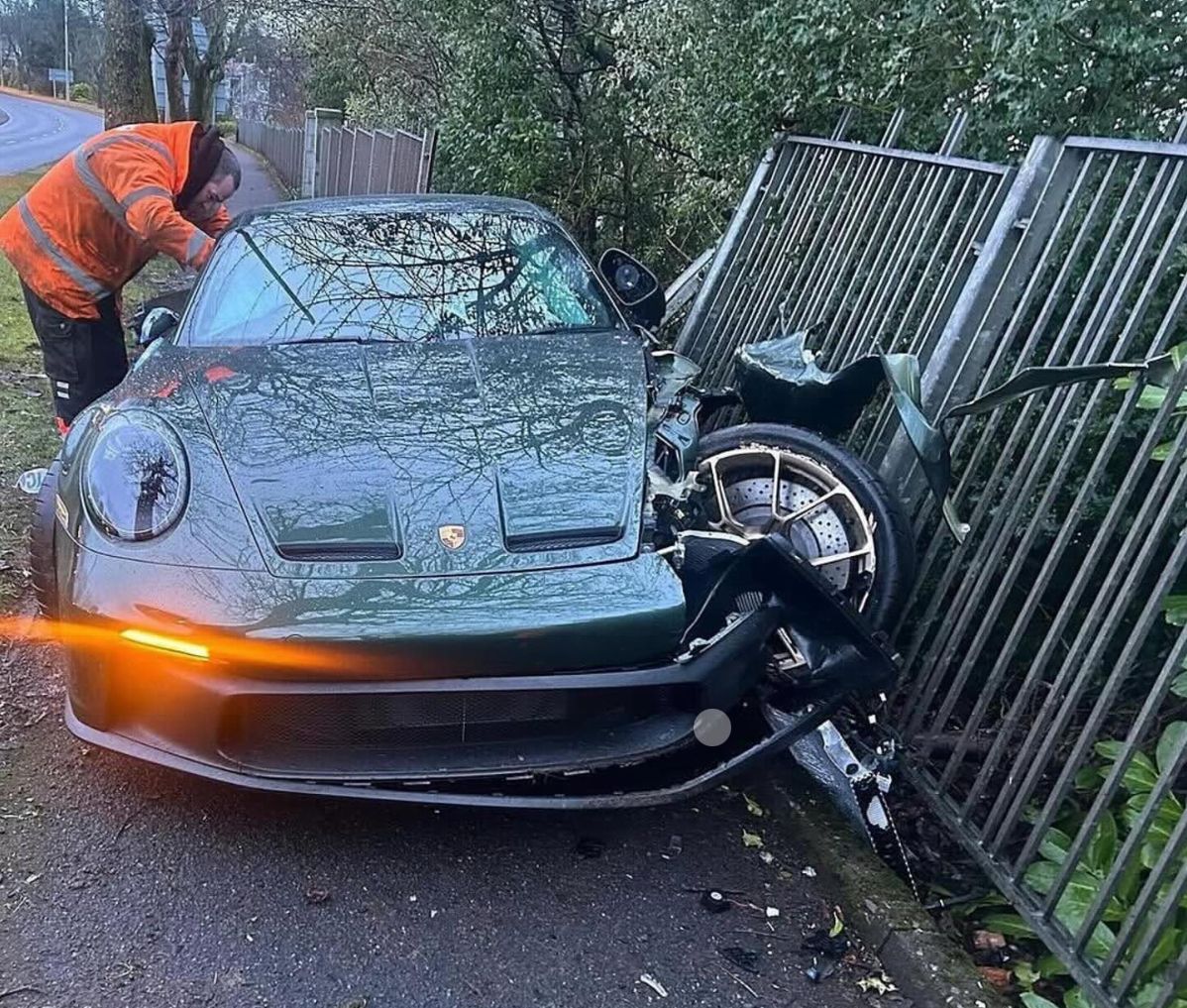
How to Price a Crash-Damaged or Category Car Without Undervaluing It
If your car has been written off, failed an MOT, or has unresolved issues, pricing it correctly is one of the hardest parts of selling. Most owners either price too high and get no interest, or panic and sell too cheaply.
The reality sits somewhere in the middle. Cars with damage still hold value, but only when they are priced in a way that reflects both the market and the work required to make them road ready again.
This guide explains how to price a crash-damaged or category car fairly, realistically, and in a way that attracts serious buyers.
Start with the true market value, not what you paid
The first step is understanding what your car would be worth if it were HPI clear and fully roadworthy. This is your baseline, not your asking price.
You can estimate this using recognised sources such as Auto Trader listings, CAP HPI, Solera, or similar valuation tools. Look for cars of the same model, year, mileage, and specification currently for sale, not just advertised prices but what they are realistically selling for.
This gives you the clean title market value. Everything else is a deduction from that figure.
Category S and Category N cars must be priced significantly lower
One of the most common mistakes sellers make is pricing a Category S or Category N car too close to a clean title equivalent.
As a general rule, Cat S and Cat N vehicles are typically valued around 20 to 30 percent below a comparable clean title car. In some cases, especially where damage is extensive or demand is lower, the reduction may need to be greater.
For example, if the cheapest comparable clean title car on the market is £40,000, pricing a Category car at £38,000 will rarely generate meaningful interest. The saving is not enough to justify the risk, repair effort, and time for the buyer.
At around £28,000 to £30,000, the value becomes clear. Buyers can see the margin, factor in repairs, and still make the numbers work.
Damage and repair costs are not a straight subtraction
Another misconception is assuming that if repairs cost £500, the car should simply be priced £500 below market value. This does not reflect how buyers think.
Buyers also factor in labour, time, risk, inconvenience, transport, and uncertainty. Even if the repair cost is low, the effort involved still needs to be worthwhile.
When pricing your car, you should deduct the repair cost and then reduce further to account for the buyer’s time and margin. Spending money on a car does not automatically increase its value if the work still needs completing or carries risk.
MOT failures and non category issues still require realistic pricing
Cars that are not written off but have failed an MOT, have mechanical faults, or cosmetic damage should still be priced with similar logic.
Start from clean market value, then deduct the full cost of repairs plus an additional allowance for buyer effort and margin. A car listed at £8,000 when a fully working example is £10,000 often struggles to sell because the saving is too small.
Buyers need a meaningful gap to justify choosing a car with issues over a ready to drive alternative.
Insurance retained vehicles can be positioned slightly differently
If you have retained your car from an insurance settlement, there can sometimes be flexibility in pricing depending on demand.
In higher demand vehicles, it can be reasonable to list slightly above the minimum expected value and test the market. In many cases, this might mean £300 to £1,000 higher initially.
The key is to monitor engagement. If enquiries are low, price adjustments should be made quickly rather than letting the listing go stale.
Market response matters more than theory
Pricing is not static. If your car receives strong interest, enquiries, or offers, you are likely close to the right price. If it sits with little engagement, the market is telling you something.
A well priced car attracts attention early. A poorly priced one often gets ignored regardless of condition.
Being willing to adjust based on real buyer behaviour is often the difference between a fast sale and months of frustration.
Final thoughts
Pricing a car with damage is about balance. You do not want to give it away, but you also need to be realistic about what makes sense for the next owner.
A fair price reflects the clean market value, the damage, the effort involved, and the margin required for someone else to take it on. When those elements align, cars sell quickly and with fewer complications.
If you are unsure, platforms like Second Gears can help by connecting your vehicle directly to dealers and rebuilders who understand these calculations and can give you real feedback based on current demand.
If your car has been written off, failed an MOT, or has unresolved issues, pricing it correctly is one of the hardest parts of selling. Most owners either price too high and get no interest, or panic and sell too cheaply.
The reality sits somewhere in the middle. Cars with damage still hold value, but only when they are priced in a way that reflects both the market and the work required to make them road ready again.
This guide explains how to price a crash-damaged or category car fairly, realistically, and in a way that attracts serious buyers.
Start with the true market value, not what you paid
The first step is understanding what your car would be worth if it were HPI clear and fully roadworthy. This is your baseline, not your asking price.
You can estimate this using recognised sources such as Auto Trader listings, CAP HPI, Solera, or similar valuation tools. Look for cars of the same model, year, mileage, and specification currently for sale, not just advertised prices but what they are realistically selling for.
This gives you the clean title market value. Everything else is a deduction from that figure.
Category S and Category N cars must be priced significantly lower
One of the most common mistakes sellers make is pricing a Category S or Category N car too close to a clean title equivalent.
As a general rule, Cat S and Cat N vehicles are typically valued around 20 to 30 percent below a comparable clean title car. In some cases, especially where damage is extensive or demand is lower, the reduction may need to be greater.
For example, if the cheapest comparable clean title car on the market is £40,000, pricing a Category car at £38,000 will rarely generate meaningful interest. The saving is not enough to justify the risk, repair effort, and time for the buyer.
At around £28,000 to £30,000, the value becomes clear. Buyers can see the margin, factor in repairs, and still make the numbers work.
Damage and repair costs are not a straight subtraction
Another misconception is assuming that if repairs cost £500, the car should simply be priced £500 below market value. This does not reflect how buyers think.
Buyers also factor in labour, time, risk, inconvenience, transport, and uncertainty. Even if the repair cost is low, the effort involved still needs to be worthwhile.
When pricing your car, you should deduct the repair cost and then reduce further to account for the buyer’s time and margin. Spending money on a car does not automatically increase its value if the work still needs completing or carries risk.
MOT failures and non category issues still require realistic pricing
Cars that are not written off but have failed an MOT, have mechanical faults, or cosmetic damage should still be priced with similar logic.
Start from clean market value, then deduct the full cost of repairs plus an additional allowance for buyer effort and margin. A car listed at £8,000 when a fully working example is £10,000 often struggles to sell because the saving is too small.
Buyers need a meaningful gap to justify choosing a car with issues over a ready to drive alternative.
Insurance retained vehicles can be positioned slightly differently
If you have retained your car from an insurance settlement, there can sometimes be flexibility in pricing depending on demand.
In higher demand vehicles, it can be reasonable to list slightly above the minimum expected value and test the market. In many cases, this might mean £300 to £1,000 higher initially.
The key is to monitor engagement. If enquiries are low, price adjustments should be made quickly rather than letting the listing go stale.
Market response matters more than theory
Pricing is not static. If your car receives strong interest, enquiries, or offers, you are likely close to the right price. If it sits with little engagement, the market is telling you something.
A well priced car attracts attention early. A poorly priced one often gets ignored regardless of condition.
Being willing to adjust based on real buyer behaviour is often the difference between a fast sale and months of frustration.
Final thoughts
Pricing a car with damage is about balance. You do not want to give it away, but you also need to be realistic about what makes sense for the next owner.
A fair price reflects the clean market value, the damage, the effort involved, and the margin required for someone else to take it on. When those elements align, cars sell quickly and with fewer complications.
If you are unsure, platforms like Second Gears can help by connecting your vehicle directly to dealers and rebuilders who understand these calculations and can give you real feedback based on current demand.
Related Articles
Can You Sell a Car That Failed Its MOT? Here’s What It’s Really Worth | Second Gears
Can You Sell a Car That Failed Its MOT? Here’s What It’s Really Worth When your car fails its MOT, it can feel like the end of the road. You’ve g...
5 min read
How to Sell a Damaged or Written-Off Car in the UK (2025 Guide to Getting the Best Price)
How to Sell a Damaged or Salvage Car in the UK in 2025 and Actually Get a Fair Price Selling a damaged or written-off car has always been one of...
6 min read
Damaged Doesn’t Mean Done: Repaired & Salvage Cars UK 2025
Damaged Doesn’t Mean Done: Why Repaired Cars Are on the Rise in 2025 The UK used car market is shifting gears in 2025. Not long ago, a damaged or...
4 min read