

How to Check if a Car has been Written Off in the UK
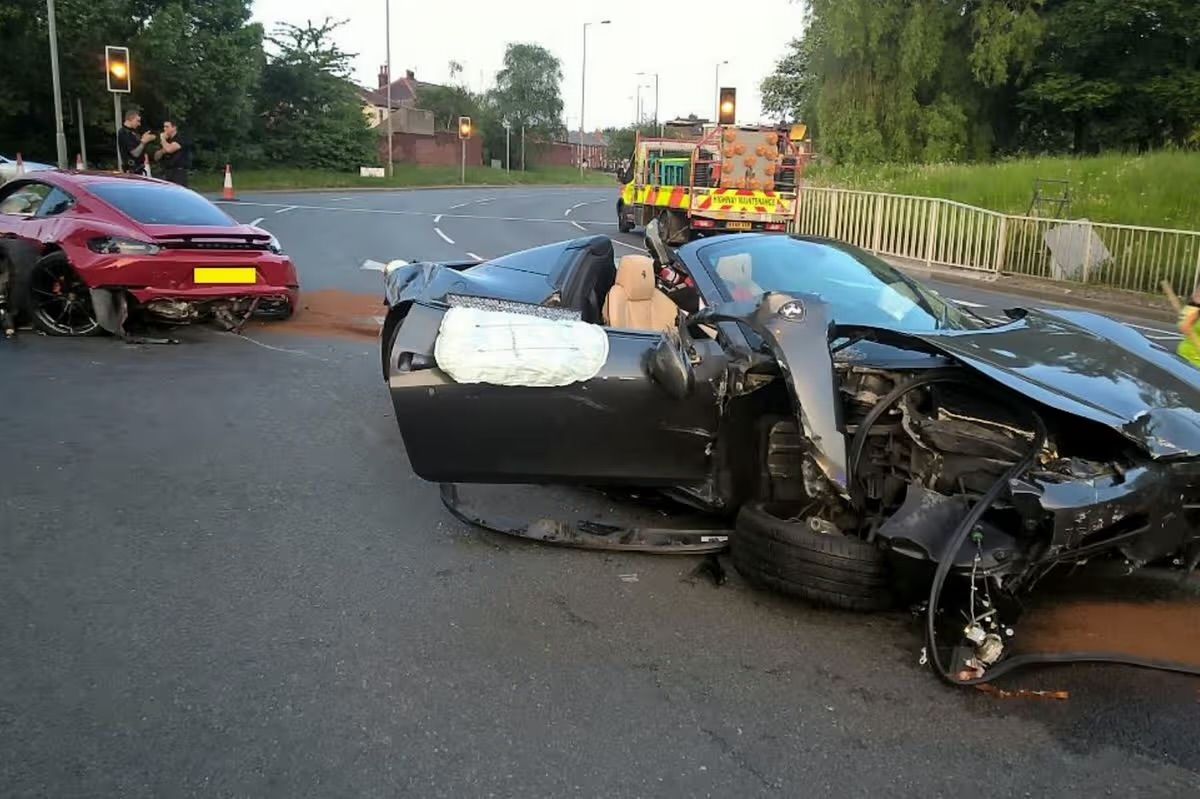
A car can look tidy, drive well and still have a write-off history. That is why one of the smartest checks you can do before buying any used vehicle is to find out whether an insurer has previously declared it a total loss. Citizens Advice says a private vehicle history check can reveal whether a car has been written off, repaired and returned to the road, while GOV.UK’s own buying checklist points buyers to DVLA records, MOT history and log book checks before purchase.
At Second Gears, that matters because damaged and repaired cars are exactly the market the company is built around. Second Gears says it was founded in 2025 to give drivers a fairer way to sell crashed, damaged and imperfect cars, connecting sellers with trusted buyers and offering instant offers and free home collection.
The fastest way to check
The best approach is simple: use the free government checks first, then back them up with a paid history check. Start with the DVLA vehicle enquiry service, which lets you confirm the registration details, MOT expiry, date of first registration, year of manufacture, engine size, fuel type and the last V5C issue date. If those details do not match what the seller has told you, that is a warning sign straight away.
Next, check the MOT history on GOV.UK. The MOT history service is free and shows tests from 2005 onwards, including passes, failures and recorded mileage. It will not usually say a car is written off, but it can expose suspicious gaps, mileage inconsistencies or a story that does not quite add up. Citizens Advice specifically says to question unexplained gaps in MOT history.
Then pay for a private vehicle history check. This is the step most likely to confirm whether the vehicle has been written off. Citizens Advice says these checks usually cost up to £20 and can also flag theft, outstanding finance, serious accident history and mileage problems.
Finally, inspect the V5C log book and match it to the car. GOV.UK says you should check that the details in the log book match the details you have been given, and that the VIN and engine number match the log book too.
What “written off” actually means
A write-off does not automatically mean the car was destroyed. GOV.UK’s consumer guide says insurance total losses fall into two groups: vehicles that cannot or should not be repaired, which are Category A or B, and vehicles that could technically be repaired but where repair costs outweigh the vehicle’s value, which are Category S or N.
That is the part many buyers miss. A Cat S or Cat N car may still be back on the road legally. The question is not just whether it was written off, but what category it was given and how well it was repaired afterwards.
What the categories mean
In the UK, the current insurance write-off categories are A, B, S and N. GOV.UK says Category A vehicles must be crushed completely, Category B vehicles cannot return to the road but some parts can be salvaged, Category S vehicles have repairable structural damage, and Category N vehicles have repairable non-structural damage. Cat S and Cat N vehicles can go back on the road if they are repaired properly and made roadworthy.
The ABI’s current salvage code helps make the difference clearer. Its structural Category S examples include parts such as the front bulkhead, inner sill reinforcement, front chassis leg and rear chassis leg. Its non-structural Category N examples include the front bumper, bonnet, front wing, door skin and tailgate or boot lid. In plain English, damage to outer panels may point to Cat N, while damage to the vehicle’s underlying structure points far more towards Cat S.
Can you trust the log book on its own?
No. This is one of the most important points in the whole process.
If someone keeps a Category S vehicle after an insurance write-off, GOV.UK says they must send the full V5C to the insurer and apply for a free duplicate log book using form V62. DVLA then records the category in the log book. But if someone keeps a Category N vehicle, they can keep the existing log book. That means a V5C by itself is not a reliable way to rule out write-off history.
That is why the paid history check matters. DVLA and MOT checks are excellent first filters, but they are not a full substitute for a proper vehicle history report.
Should you buy a written-off car?
Sometimes, yes.
GOV.UK says there is nothing inherently wrong with buying a repaired written-off vehicle if it has been returned to good condition, and it can represent good value. But it also warns that insurance can be more expensive and that not all insurers will automatically cover previously written-off cars.
The sensible approach is to treat a written-off car as a price-and-proof decision. Confirm the category, ask for repair invoices and photos, check who carried out the work, and compare the asking price with an equivalent car that does not have a write-off marker. If anything feels vague, walk away or get an independent inspection before committing. Citizens Advice says independent reports are available if you want more reassurance before buying.
The simple checklist
Before you buy, use this order:
Check the DVLA record.
Check the MOT history.
Buy a private history check.
Match the VIN and V5C.
If it is Cat S or Cat N, ask for proof of repairs and price it accordingly.
Final word
A clean MOT history does not mean a clean insurance history. The safest way to check whether a car has been written off in the UK is to combine the free GOV.UK checks with a private history check before you buy. That gives you the best chance of spotting a Cat S, Cat N or previous total-loss record before money changes hands.
And if the car is yours rather than one you are buying, Second Gears is built for exactly that kind of vehicle. The company positions itself as a simpler, fairer route for owners of crashed, damaged and imperfect cars to sell directly to trusted buyers, rebuilders and enthusiasts.
Related Articles
Why Second Gears is the Best Marketplace to Sell Crash Damaged Cars
Selling a damaged car in the UK used to mean choosing between three frustrating options.You could take a low offer from a dealer, send it to auction a...
Buying Back Your Insurance Write-Off? Here’s How to Sell It for More
If you have ever had a car written off, you will know how frustrating it feels. One day it is your daily driver; the next it is pushed into the salvag...
Scrap vs Sell: What Gets You More for Your Damaged Car
If your car’s been damaged, written off, or just won’t start anymore, you’re probably wondering:Is it better to Sell it — or just Scrap it and be done...