
Buying Back your Insurance Write-Off? Here’s how to Sell it for More in the UK
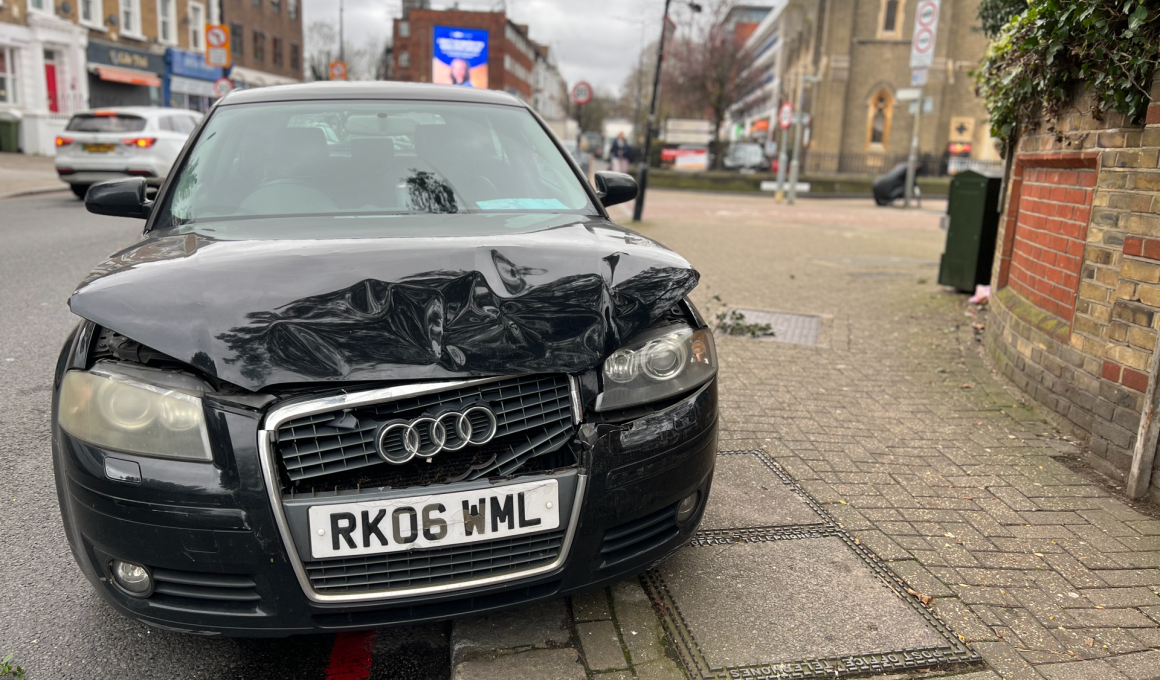
If you have ever had a car written off, you will know how frustrating it feels. One day it is your daily driver; the next it is being pushed into the salvage system by an insurer who has already moved on.
What many drivers still overlook is that you do not have to let it go. You can buy back your insurance write-off, keep most of the settlement payout, and then choose what to do with the car on your own terms. In 2026, more UK motorists are catching on, because selling a retained write-off yourself is often far more profitable than letting it disappear into a salvage auction.
How the buy-back process works
Cars are usually written off for financial reasons, not because they are physically beyond repair. If the cost to repair exceeds a threshold relative to the car's market value, insurers will class it as a total loss.
When that happens, your insurer will offer a settlement based on the car's pre-accident market value. If you want to keep the vehicle, you tell them so before accepting. They then deduct the salvage value from your payout and return the car to you. The difference is yours, and the car is yours to repair, break for parts, or sell.
The paperwork steps differ depending on the write-off category:
Cat S (structural damage): You must send the complete V5C log book to the insurer. You then apply for a free duplicate log book using form V62, and the DVLA records the Cat S marker on the vehicle's history. The car can return to the road once properly repaired.
Cat N (non-structural damage): You keep the existing log book. The DVLA records the Cat N marker, and the car can return to the road once repaired to a roadworthy standard.
Before selling, gather everything you have: the V5C, the insurer's write-off documentation, any repair quotes you received, photos of the damage, and the car's service history. The more documentation you can provide, the more confident buyers will be making an offer. If you are not sure how to present the car to trade buyers, our guide to creating the perfect listing for a crash-damaged car walks through exactly what to include.
Why selling it yourself beats handing it back
If you hand the car back to your insurer, it will almost certainly go through a salvage auction, where it will be bought by a trader or rebuilder and resold at a profit.
By retaining it, you move into that position yourself. Instead of being the seller who loses the asset at the point of write-off, you stay in control of it and access the same pool of buyers directly. The difference is that you keep the margin those auction buyers would otherwise have built into their bid.
This matters because auction fees are taken from both sides of the transaction. When a salvage vehicle goes through an auction, the seller pays fees and the buyer pays fees, and both of those costs are factored into the final price. When you sell directly to a trade buyer through a platform like Second Gears, those costs disappear entirely. The buyer can afford to pay more because they are not paying auction premiums, and you receive more because nothing is being deducted from your proceeds.
A real example: BMW X3 retained for £4,000, sold for £6,750
One recent Second Gears seller had his BMW X3 written off after an accident. His insurer offered a settlement, but rather than hand the car over, he chose to retain it. After the salvage deduction, the car was his to keep for £4,000.
He listed it free on Second Gears that same day with photos, the write-off documentation and a clear description of the damage. Within a few hours, a verified trade buyer made an offer of £6,750. The dealer collected and recovered the car themselves at no cost to the seller. No listing fees, no commission, no auction deductions.
The seller walked away with £2,750 more than the salvage value his insurer would have paid him, for a few minutes of listing work and zero hassle with transport or negotiation.
Why selling directly often makes more sense than repairing
Repairing a retained write-off can work well if you have the right setup: a trusted garage, clear repair quotes, and a car whose value after repair justifies the cost and effort.
But for most owners, repair means time, uncertainty and additional expenditure with no guarantee of the outcome. Parts availability, hidden damage discovered mid-repair, and the ongoing Cat marker on the car's history all affect what it is worth once the work is done.
Selling directly is usually simpler and more predictable. Trade buyers on Second Gears, including rebuilders, dealers and dismantlers, already understand these vehicles, price them accurately, and know exactly what they are taking on. You get a clear offer based on the car's actual condition, without the risk of a repair project going over budget.
What makes a retained write-off attractive to buyers
Trade buyers look at retained write-offs differently to how private buyers look at clean cars. What matters to them is:
Honest, complete documentation. The write-off notification from the insurer, the V5C, the damage category and any photos you have of the car pre and post-accident all help buyers assess the vehicle accurately. The more you can show, the stronger the offer.
Accurate damage description. Buyers want to know whether the damage is cosmetic, mechanical or structural, whether the car starts and drives, and whether there are any faults beyond what caused the write-off. Being specific builds confidence and reduces the back-and-forth.
A realistic price. A retained write-off needs to be priced to reflect the damage, the category marker and the buyer's margin. Our guide on how to price a crash-damaged or category car in the UK covers this in detail. The right price attracts serious offers quickly. An inflated price sits unsold and loses momentum.
How Second Gears works for retained write-off sellers
Second Gears is built specifically for this situation. It gives private sellers direct access to verified trade buyers, including rebuilders, dealers and salvage specialists, without the fees, delays or loss of control that come with putting the car through an auction.
Listing is free. There are no commissions, no success fees and no middlemen. You list the car with photos, damage details and the write-off documentation, and buyers contact you directly. For buyers, buying from a private seller via Second Gears means access to the vehicle earlier in the chain, which is exactly why they are willing to pay more than they would at auction.
Retaining the write-off is the first smart move. Selling it properly is the second.
List your retained write-off free on Second Gears and find out what it is actually worth to the right buyer.
The bottom line
A write-off does not have to be the end of the story. For drivers who retain their vehicle after an insurance settlement, selling it directly to a specialist buyer, rather than returning it to the insurer's salvage chain, almost always returns more money.
The process is straightforward, the paperwork is manageable, and the buyers are already out there actively searching for exactly this kind of stock.
Before you hand the car back, find out what it is worth to someone who already understands it.
Related reading:
What are Cat S, Cat N, and Cat B Cars? The Complete 2026 UK Guide to Insurance Write-Off Categories
How to Price a Crash-Damaged or Category Car in the UK
A Guide to Create the Perfect Listing for a Crash Damaged Car
Related Articles
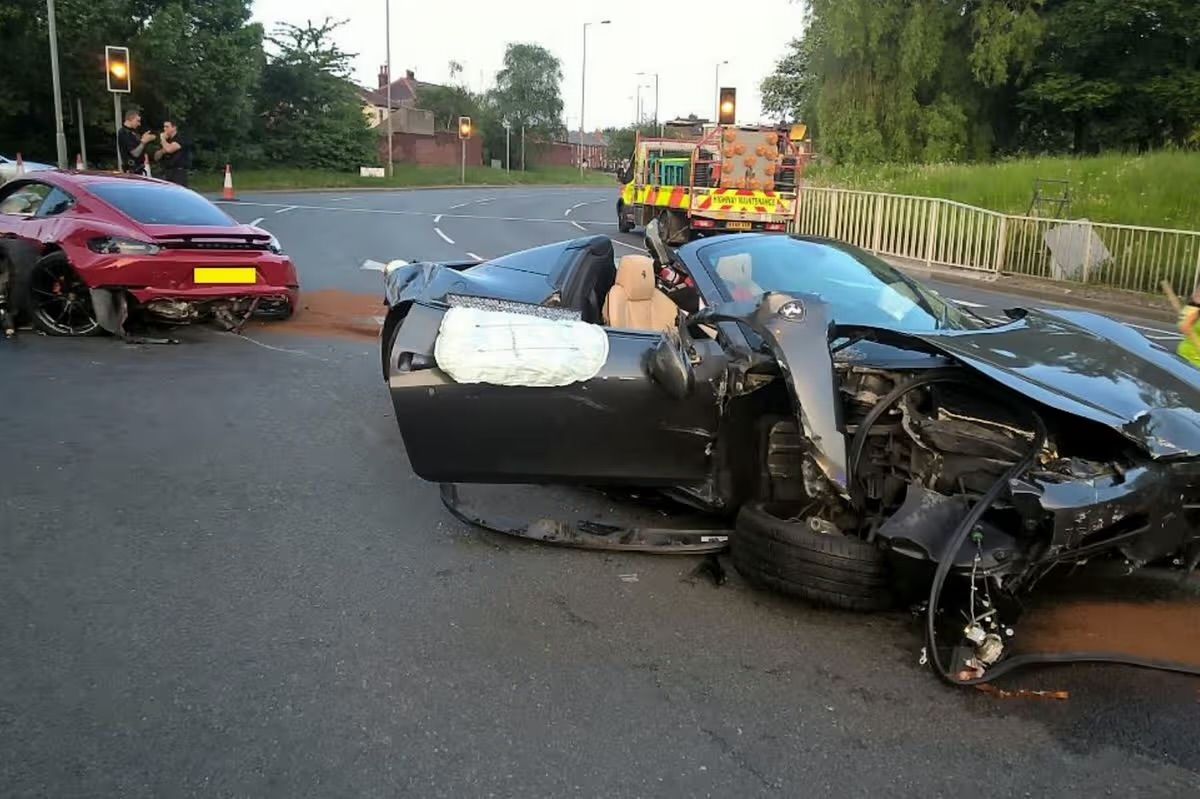
How Insurers Calculate a Write-off: A Guide for UK Car Owners
Hearing that your car has been written off can feel maddening, especially when it still looks fixable. But insurers are not only asking, "Can th...
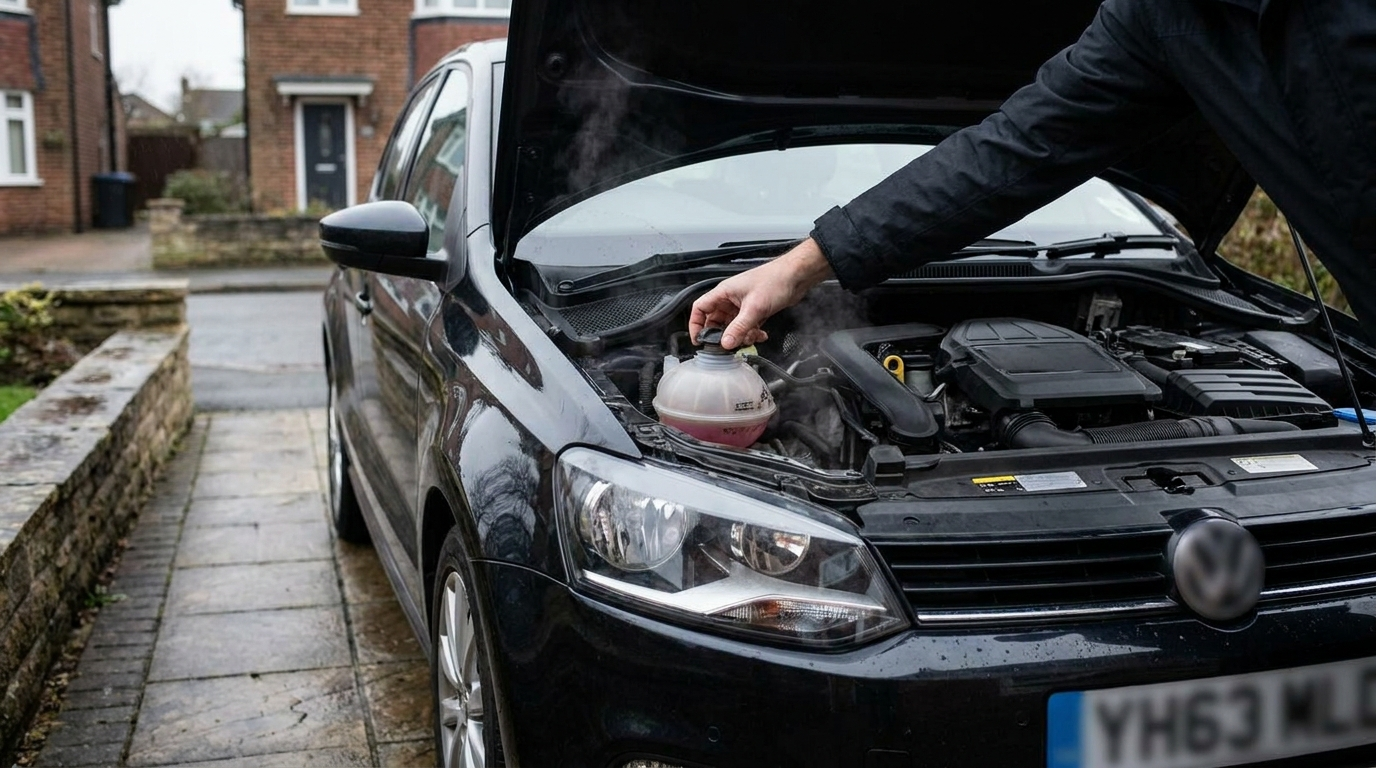
Selling a Car With a Blown Head Gasket: Repair It or Move It On?
Selling a Car With a Blown Head Gasket: Repair It or Move It On?White smoke from the exhaust, mayonnaise under the oil cap, a temperature needle with...
How Long Does It Take to Sell a Damaged Car? Honest Timelines
How Long Does It Take to Sell a Damaged Car? Honest Timelines"How fast will it sell?" is the second question every damaged car seller asks, right afte...