
What are Cat S, Cat N, and Cat B Cars? The Complete 2026 UK Guide to Insurance Write-Off Categories
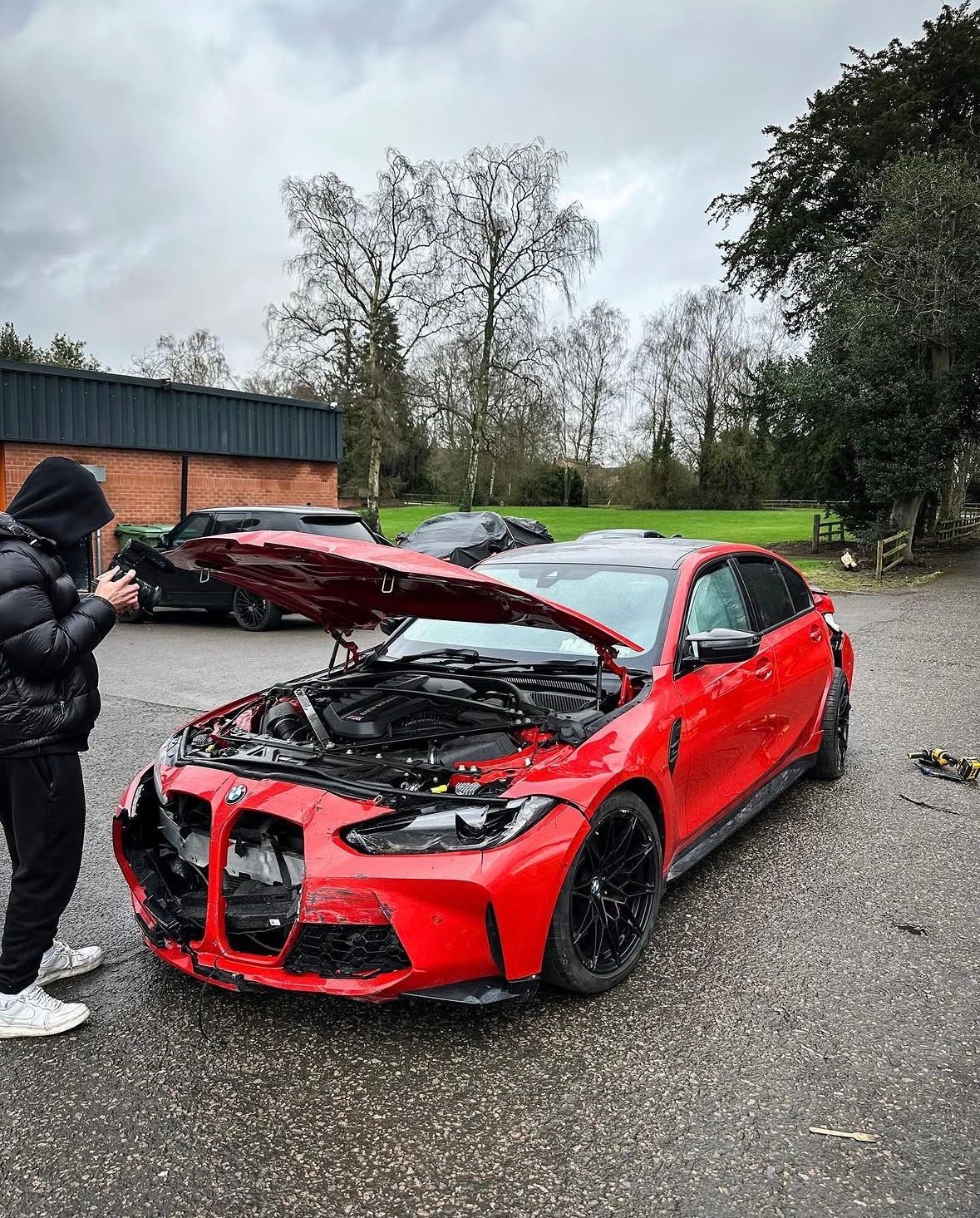
If your car has been written off by an insurer, repaired after an accident, or you're looking at damaged cars for sale, it helps to know exactly what Cat S, Cat N and Cat B mean.
In the UK, these categories are used to show how seriously a vehicle has been damaged and whether it can return to the road. Cat S and Cat N cars can be repaired and used again if they're put back into a roadworthy condition. Cat B cars cannot return to the road — their bodyshell must be crushed, although other parts can be salvaged.
The short version:
Cat S: the car has suffered structural damage but can be repaired.
Cat N: the car has suffered non-structural damage but can be repaired.
Cat B: the car cannot go back on the road; only parts may be salvaged and the shell must be crushed.
These categories replaced the older Cat C and Cat D system in October 2017.
Cat S — structural but repairable
Cat S means the vehicle has had structural damage. That could affect areas such as the chassis or other structural parts of the shell. A Cat S car can go back on the road, but only if it has been repaired properly and is roadworthy. GOV.UK does not say every Cat S car must pass a separate official post-repair inspection before being used again — the key test is whether it has been repaired to a roadworthy condition.
If you keep a Cat S vehicle after an insurance write-off, you'll need to send the complete log book to the insurer and apply for a free duplicate log book using form V62. DVLA then records the category on the vehicle record.
If you're selling a Cat S car, be clear about its status and keep a paper trail with repair invoices, photos and any inspection or alignment reports. Good documentation helps buyers understand what was repaired and how.
Cat N — non-structural, but not always minor
Cat N means non-structural damage. That does not always mean light damage. A Cat N car may still have damage to areas such as electrics, steering, suspension, brakes, body panels or safety systems — just not to the main structural frame. Like Cat S, it can return to the road if repaired to a roadworthy condition.
If you're selling a Cat N car, the same rule applies: be clear about the history and show the repair paperwork. Buyers are much more comfortable when they can see what was damaged and what was fixed.
Cat B — parts only
Cat B is more serious. These vehicles cannot be repaired and returned to the road. Their bodyshell must be crushed, although some parts can be removed and reused.
That means a Cat B vehicle still has value, but only as a source of usable parts — not as a road car. If you're selling one, you're selling it for dismantling or salvage value, not for repair and resale as a roadworthy vehicle.
The 2026 rules you should know
The main industry standard in use in 2026 is the ABI Salvage Code of Practice, which was updated in May 2025. ABI says this is a voluntary code, not UK legislation, and that it was updated specifically to reflect newer vehicle technology including electric and hybrid vehicles.
The official GOV.UK position remains straightforward:
Cat S and Cat N vehicles can be used again if repaired to a roadworthy condition.
Cat A and Cat B vehicles must not return to the road.
How categories affect value, insurance and resale
Cat-marked cars are usually worth less than equivalent cars with no write-off history. They can still be perfectly usable, but buyers will expect a discount because the insurance history stays with the car. Insurance can also be more expensive, and some insurers may refuse cover — so it's important to tell your insurer about the write-off status when arranging cover.
For resale, documentation matters. A repaired Cat S or Cat N car is significantly easier to sell when you can show photos, repair invoices and clear evidence that the work was done properly. Understanding how insurers calculate a write-off can also help you assess whether the settlement you were offered was fair.
Common questions
Can I drive a Cat S or Cat N car?
Yes, as long as it has been repaired properly and is roadworthy. There is no mandatory official post-repair inspection required by GOV.UK, but the vehicle must meet roadworthy standards before being driven.
Can I drive a Cat B car?
No. Cat B vehicles cannot go back on the road under any circumstances. They can only be sold for parts or dismantling.
Is a Cat N car just cosmetic damage?
No. Cat N means the damage is non-structural, but it can still include mechanical, electrical or safety-related faults — including brakes, steering, suspension and driver assistance systems.
Why do some cars still mention Cat C or Cat D?
Those are the older write-off categories used before October 2017. Cat C is broadly equivalent to Cat S, and Cat D is broadly equivalent to Cat N. If you see these on older vehicles, they still carry write-off history and should be disclosed when selling.
How Second Gears helps Cat S, Cat N and Cat B sellers
If your car is Cat S, Cat N or Cat B, the most important thing is getting it in front of buyers who already understand what those categories mean — and what the car is actually worth.
Second Gears is a UK marketplace built specifically for written-off, crash-damaged and imperfect vehicles. Listing is free. There are no auction fees, no commissions and no middlemen. You list the car with photos and condition details, and verified trade buyers — dealers, bodyshops and salvage specialists — contact you directly.
For Cat S and Cat N cars, that means buyers who understand the repair and know how to price it. For Cat B, it means buyers looking specifically for parts value rather than a road car.
List your category car free on Second Gears and reach the buyers who are already looking for it.
The bottom line
A Cat S or Cat N marker does not automatically mean a car is worthless. It means the vehicle has been written off by an insurer and needs to be judged on the quality of its repair, its roadworthiness and its documentation. Cat B is different — it is a parts-only category and cannot go back on the road.
If you're selling one of these vehicles, clarity and paperwork make all the difference. And putting it in front of the right buyers matters just as much as the price you set.
Related reading:
Related Articles
Selling a Loved One's Car: A Straightforward Guide for a Difficult Time
Selling a Loved One's Car: A Straightforward Guide for a Difficult TimeSorting out a car is one of those practical tasks that arrives in the middle of...
Selling a Car With Gearbox Problems: Why the Repair Quote Isn't the Whole Story
Selling a Car With Gearbox Problems: Why the Repair Quote Isn't the Whole StoryGearbox failure is the quote that makes owners give up on a car. A repl...
How to Sell a Damaged Car Fast in the UK — Without Losing Money
Most people who try to sell a damaged car end up doing one of two things: accepting far too little because they panic, or waiting far too long because...