
How to Source Salvage and Damaged cars Without Paying Auction Fees (UK Guide)
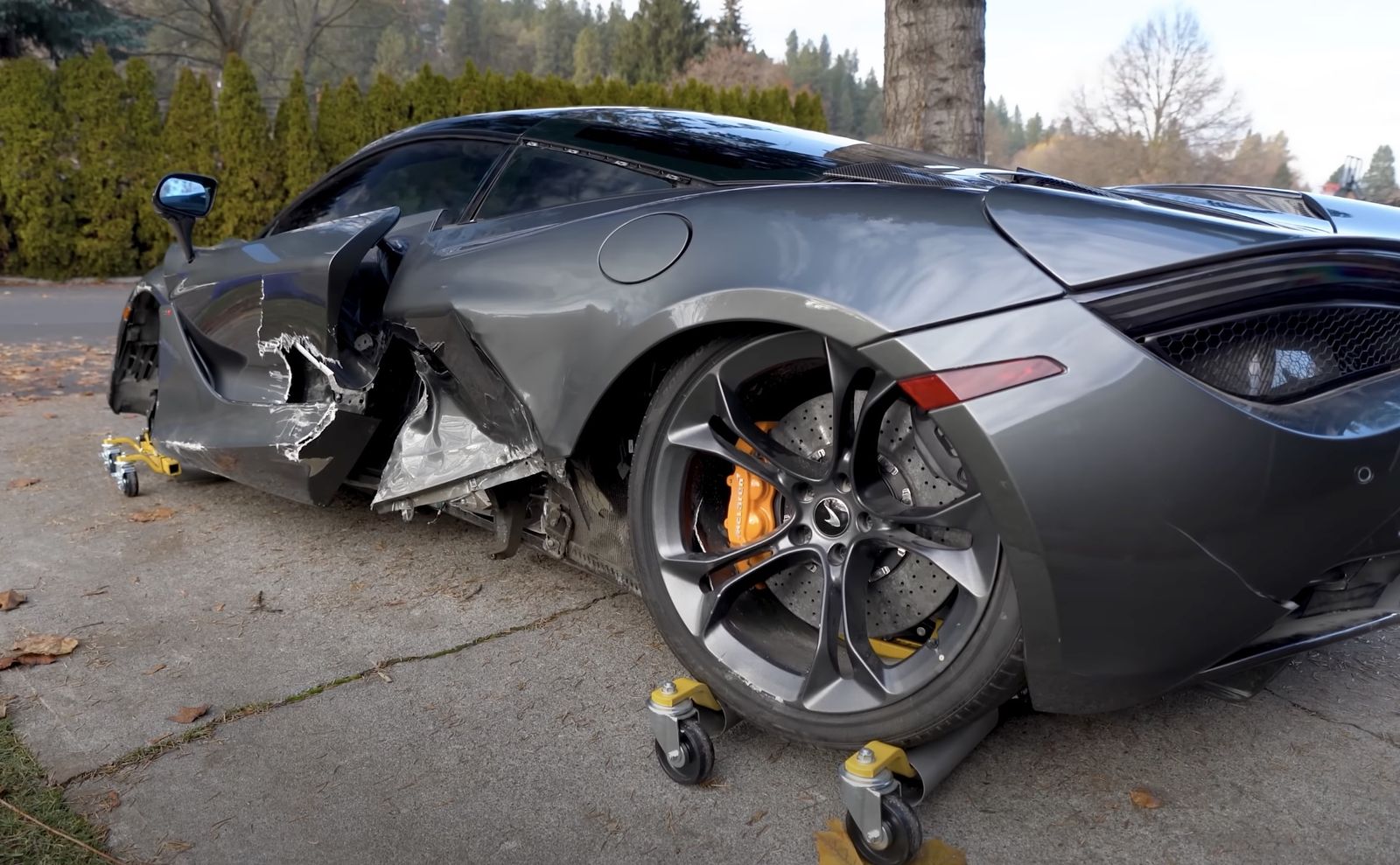
If you are a dealer, rebuilder or trader sourcing salvage and damaged stock in the UK, auction fees are one of the biggest costs eating into your margin and they are almost entirely avoidable.
The traditional route through Copart, BCA or similar platforms means paying buyer fees on top of the hammer price, competing with dozens of other bidders on the same vehicle, and often waiting days to inspect what you have actually bought. For every unit you turn, a meaningful chunk of your profit has already been handed to the auction house before you have done anything with the car.
There is a better route. And in 2026 more dealers and rebuilders are using it.
Why auction fees matter more than most buyers admit
The headline cost of buying at salvage auction is the hammer price. The real cost is everything stacked on top of it.
Buyer fees at major UK salvage auctions typically run between 5 and 12 per cent of the hammer price, depending on the platform and the tier of your buyer account. On a vehicle that hammers at £4,000, that is between £200 and £480 in fees before you have spent a penny on transport, inspection or repair. On higher-value stock the numbers scale quickly.
Seller fees work the same way on the other side. The private seller who puts a vehicle through a salvage auction is also paying fees, which means the price they are willing to accept at hammer is already discounted to cover those costs. The auction house takes a margin from both sides of every transaction.
When you source directly from private sellers, that double-fee structure disappears entirely. The seller receives more. You pay less. The difference between auction price and direct price on the same vehicle is the margin you are currently leaving on the auction house floor.
The problem with sourcing direct until recently
The argument for buying direct from private sellers is not new. Dealers have always known that cutting out the middleman improves margin. The practical problem was always access.
Finding private sellers with the right kind of stock before that stock entered the auction system required either a strong local network built over years, or time spent trawling general classified sites where damaged and category cars are buried, poorly described, and often surrounded by retail buyers who do not understand what they are looking at.
The salvage auction platforms solved the access problem but created the fee problem in exchange. For a long time, paying auction fees was simply the cost of having a reliable, centralised source of stock.
That trade-off no longer applies in the same way.
What has changed in 2026
Dedicated marketplaces for damaged, written-off and imperfect vehicles now connect private sellers directly with trade buyers at scale, without the fee structure of a traditional auction.
This means you can access a live, growing inventory of Cat S and Cat N vehicles, accident-damaged cars, MOT failures and non-runners listed by private sellers who want to sell quickly and fairly without going through an auction that takes a cut from both sides.
The quality of information available on these platforms has also improved. Sellers who list on a specialist marketplace know their audience. They provide detailed damage descriptions, multiple photos, write-off documentation and condition details that are often more useful than what you get from an auction listing with three blurry photos and a generic damage note.
What direct sourcing actually looks like in practice
When a private seller lists a damaged or written-off car on a platform like Second Gears, they are not listing for a casual browser. They are listing for the trade. That means the listing includes the information a dealer or rebuilder needs to make a buying decision: damage type, write-off category, whether it starts and drives, mileage, service history and photos of the actual damage.
You contact the seller directly, negotiate on price without time pressure or a bidding war, and can arrange inspection before committing. There is no auction day, no competing with twelve other buyers in real time, and no hammer price with fees loading on top.
For the seller, getting a fair direct offer beats the uncertainty of an auction. For you, buying at a price that reflects the vehicle's actual condition and your repair costs changes the economics of every unit.
The types of stock available through direct sourcing
The inventory on dedicated damaged car platforms reflects the full range of the UK salvage market.
Cat N write-offs with non-structural damage are the most common category and often the most commercially attractive for rebuild-to-resell operations. Many are still driveable, have predictable repair costs, and come with full write-off documentation.
Cat S write-offs with structural damage require more thorough assessment but can represent stronger margins for buyers with bodyshop access or structural repair capability.
Accident-damaged cars with no write-off marker are often undervalued by private sellers who assume they are harder to sell than they actually are. These can be some of the most profitable buys on the platform.
MOT failures and non-runners attract parts buyers and mechanical specialists who know the repair cost is predictable and the purchase price reflects the risk.
Damaged EVs are a growing category where direct sourcing has a particular advantage. Battery condition is the critical factor in EV salvage value, and a direct conversation with the seller combined with your own inspection gives you far better information than an auction listing ever will.
How to evaluate stock efficiently when buying direct
The absence of an auction deadline gives you something auctions never do: time to assess properly before committing.
Request the full damage documentation before travelling to inspect. This means the write-off notification from the insurer, the V5C, photos of all damage angles, any repair quotes the seller has obtained, and the MOT history. A seller who is serious will have this ready.
Use the DVLA free MOT history check and a paid HPI check to verify write-off status, outstanding finance and mileage consistency before you visit. Issues that would catch you out at auction are visible in advance when buying direct.
Inspect in person where the value justifies it. For higher-value units, arrange an independent structural or mechanical assessment if you have uncertainty about the repair extent. The cost is small relative to the risk of misreading a repair on a vehicle worth several thousand pounds.
Price your offer from your own cost base: what the repair will realistically cost you, what the resale will realistically achieve, and what margin makes the deal worthwhile. Without auction pressure, you can be precise rather than reactive.
How Second Gears works for trade buyers
Second Gears is a UK marketplace built specifically for damaged, written-off and imperfect vehicles, connecting private sellers directly with verified trade buyers including dealers, rebuilders, bodyshops and dismantlers.
There are no buyer fees. No seller fees. No auction premiums on either side of the transaction. You browse live listings, contact sellers directly, negotiate on your own terms, and complete the purchase without any platform taking a cut.
Listings include damage descriptions, write-off category, condition details and photo sets written for a trade audience. Sellers on Second Gears know they are listing for buyers who understand the market, which means the information quality is consistently higher than general classified platforms.
Register as a verified buyer on Second Gears and access live damaged and category car stock directly from private sellers across the UK.
Common questions from trade buyers
Are sellers on Second Gears genuine private sellers or other dealers?
Second Gears is built for private sellers listing their own vehicles. The platform is not a dealer-to-dealer exchange. It connects private owners of damaged and category cars with trade buyers best placed to value and purchase them.
Can I negotiate on price directly with the seller?
Yes. There is no auction mechanism, no reserve price process and no time pressure. You contact the seller directly and negotiate as you would in any private purchase.
What if the car has outstanding finance?
Always run a paid HPI check before purchasing any vehicle. If finance is outstanding, the seller needs to settle it before the sale completes. The check remains your responsibility as the buyer.
Can I inspect the vehicle before committing?
Yes. Direct purchasing gives you the ability to inspect before you commit, which is one of the clearest advantages over auction buying where inspection windows are limited and you are bidding before you have seen the car fully.
What types of vehicles are listed on Second Gears?
Cat S, Cat N, accident-damaged, MOT-failed, non-runner and imperfect vehicles across all makes, models and price points. The inventory reflects the full UK damaged car market sourced from private sellers rather than the trade.
The bottom line
Auction fees are not an unavoidable cost of doing business in the salvage and damaged car market. They are a cost of using a particular sourcing channel — one that made sense before dedicated direct-sale platforms existed at scale.
In 2026 the alternative is accessible, practical and fee-free. Buying direct from private sellers through a platform built for the trade gives you better information, more negotiating room, and the full margin that currently sits between the hammer price and the auction house fee on every unit you turn.
The dealers and rebuilders who adapt their sourcing strategy earliest will have a structural cost advantage over those still paying fees they no longer need to.
Related reading:
Related Articles
Rebuild Watch: What's Happening in Salvage YouTube Right Now
Rebuild Watch: What's Happening in Salvage YouTube Right NowSalvage rebuilding has become one of the biggest genres in UK automotive content, and the...
What are Cat S, Cat N, and Cat B Cars? The Complete 2026 UK Guide to Insurance Write-Off Categories
If your car has been written off by an insurer, repaired after an accident, or you're looking at damaged cars for sale, it helps to know exactly what...
Your Car's Been Written Off and It's on Finance. Here's What Actually Happens
Your Car's Been Written Off and It's on Finance. Here's What Actually HappensA write-off is stressful enough. A write-off on a car you're still paying...