
Insurance Buy-Back, Explained in Two Minutes (and the £2,600 Decision)
Insurance Buy-Back, Explained in Two Minutes (and the £2,600 Decision)
You've had a crash. Your insurer has written the car off and offered a settlement. At this point most people sign, hand over the keys, and never think about the car again.
Here's what actually happens next, and why one decision at this exact moment is worth thousands.
The bit nobody explains
When you accept the payout, the car doesn't vanish. It goes to a salvage auction, where trade buyers, rebuilders, dealers and dismantlers, buy it, fix it or break it, and make their margin. The auction takes its fees on the way through. You've already paid for that car once; now everyone else profits from it.
And the write-off has usually already cost you: a claim on your record, no-claims bonus reduced or lost unless it's protected, and a higher premium at renewal in most cases. Losing the car's remaining value on top is the part that's optional.
What buy-back actually means
At settlement, you can ask to retain the vehicle. Your insurer deducts a salvage figure from the payout, and the car stays on your driveway, yours to sell. That deduction is priced at the bottom of the chain, what the trade would pay at auction before fees. The direct market pays more than that, and the gap is the whole point.
The BMW X3 that paid its owner £2,600
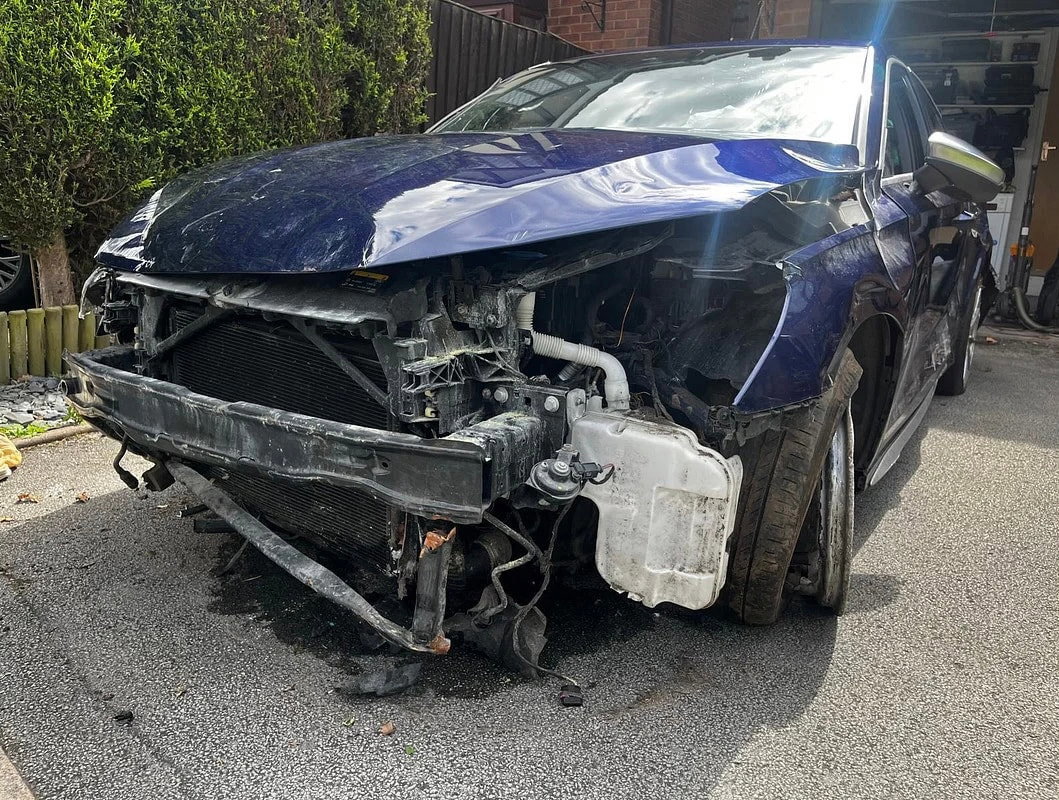
A seller came to us with a written-off BMW X3. They retained it, took the settlement minus the salvage deduction, and listed it on Second Gears with a handful of photos and a short honest description.
Within 24 hours a verified trade buyer had agreed the price, paid, and collected the car. No haggling on the doorstep, no recovery to arrange, no fees.
The result: £2,600 more in the seller's pocket than the salvage deduction. Same car, same damage, same week. The only thing that changed was one decision at settlement, and the fact that the margin an auction house would have taken went back to the person who owned the car.
Why trade buyers pay more direct
Because it's a better deal for them, too. No buyer's premium, no loading and access fees, no bidding war against every other trade buyer in the country. They get real photos of a real car on a driveway, the story of the damage from the person who was there, and a straightforward transaction with one seller. Everyone gets more because the middle is gone.
How to do it
When the write-off is confirmed, tell your insurer you want to retain the vehicle.
Take the settlement minus the salvage deduction. Check your category (usually Cat N or Cat S) and sort the V5C accordingly.
List the car free on Second Gears: daylight photos of the whole car and the damage, a few honest lines about what happened.
Verified trade buyers make direct offers. Agree a price, get paid, they collect.
That's it. Listing is free, there's no obligation, and you keep the difference.
List your retained write-off free on Second Gears
Insurance Buy-Back, Explained in Two Minutes (and the £2,600 Decision)
You've had a crash. Your insurer has written the car off and offered a settlement. At this point most people sign, hand over the keys, and never think about the car again.
Here's what actually happens next, and why one decision at this exact moment is worth thousands.
The bit nobody explains
When you accept the payout, the car doesn't vanish. It goes to a salvage auction, where trade buyers, rebuilders, dealers and dismantlers, buy it, fix it or break it, and make their margin. The auction takes its fees on the way through. You've already paid for that car once; now everyone else profits from it.
And the write-off has usually already cost you: a claim on your record, no-claims bonus reduced or lost unless it's protected, and a higher premium at renewal in most cases. Losing the car's remaining value on top is the part that's optional.
What buy-back actually means
At settlement, you can ask to retain the vehicle. Your insurer deducts a salvage figure from the payout, and the car stays on your driveway, yours to sell. That deduction is priced at the bottom of the chain, what the trade would pay at auction before fees. The direct market pays more than that, and the gap is the whole point.
The BMW X3 that paid its owner £2,600
A seller came to us with a written-off BMW X3. They retained it, took the settlement minus the salvage deduction, and listed it on Second Gears with a handful of photos and a short honest description.
Within 24 hours a verified trade buyer had agreed the price, paid, and collected the car. No haggling on the doorstep, no recovery to arrange, no fees.
The result: £2,600 more in the seller's pocket than the salvage deduction. Same car, same damage, same week. The only thing that changed was one decision at settlement, and the fact that the margin an auction house would have taken went back to the person who owned the car.
Why trade buyers pay more direct
Because it's a better deal for them, too. No buyer's premium, no loading and access fees, no bidding war against every other trade buyer in the country. They get real photos of a real car on a driveway, the story of the damage from the person who was there, and a straightforward transaction with one seller. Everyone gets more because the middle is gone.
How to do it
When the write-off is confirmed, tell your insurer you want to retain the vehicle.
Take the settlement minus the salvage deduction. Check your category (usually Cat N or Cat S) and sort the V5C accordingly.
List the car free on Second Gears: daylight photos of the whole car and the damage, a few honest lines about what happened.
Verified trade buyers make direct offers. Agree a price, get paid, they collect.
That's it. Listing is free, there's no obligation, and you keep the difference.
Related Articles
Selling a Car With Engine Problems: The Maths Most Owners Get Wrong
Selling a Car With Engine Problems: The Maths Most Owners Get WrongAn engine warning, a knock, smoke on startup, or the worst-case phone call from a g...
Selling a Car With a Blown Head Gasket: Repair It or Move It On?
Selling a Car With a Blown Head Gasket: Repair It or Move It On?White smoke from the exhaust, mayonnaise under the oil cap, a temperature needle with...
My car has been written-Off — What are my Options?
Getting a call from your insurer to say your car has been written off is one of the most stressful moments in any driver's life. One minute you have a...