
My car has been written-Off — What are my Options?
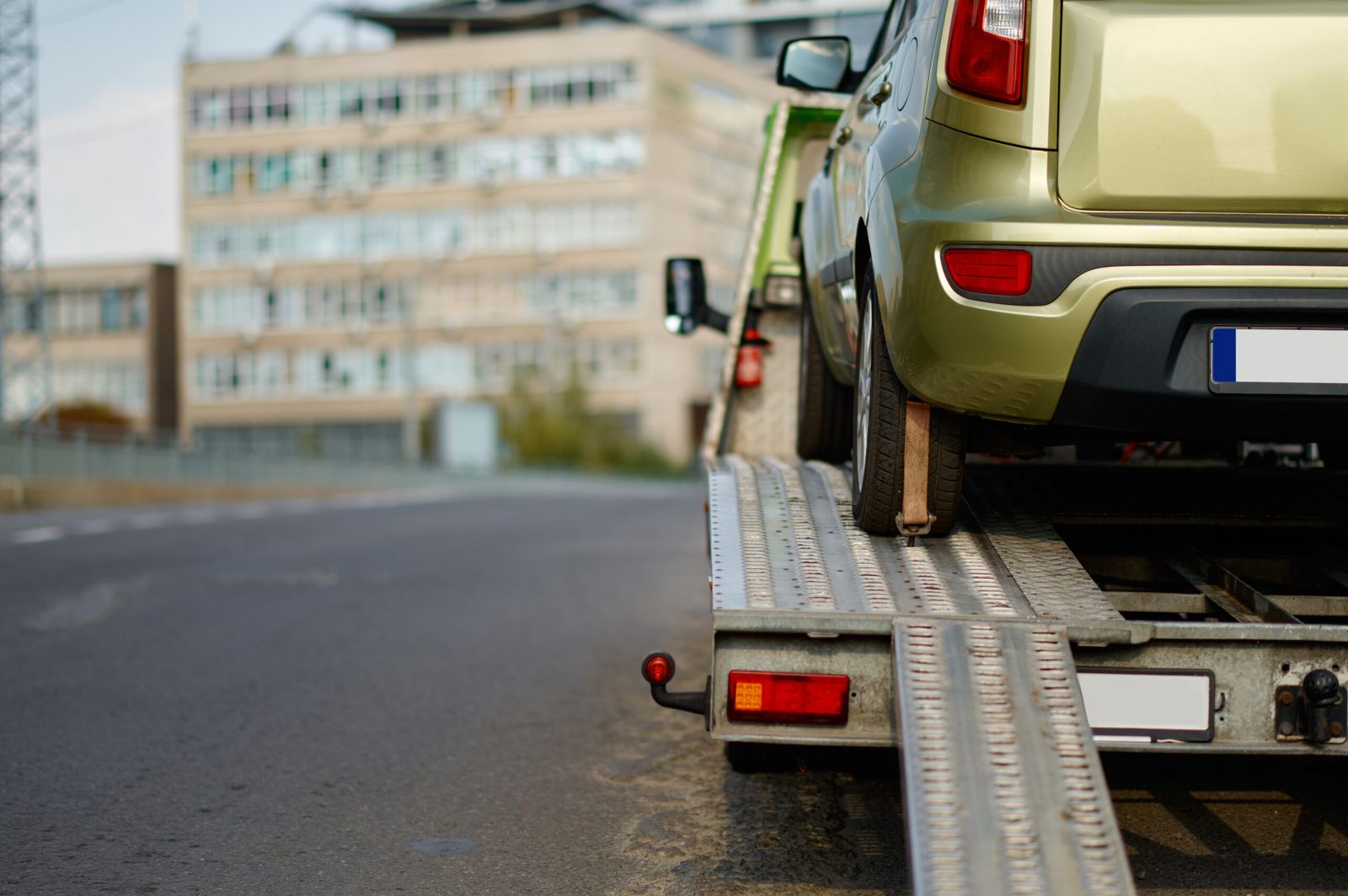
Getting a call from your insurer to say your car has been written off is one of the most stressful moments in any driver's life. One minute you have a car. The next you are being told it is a total loss and offered a settlement figure you may not fully understand.
What most drivers do not realise in that moment is that they have more options than the insurer typically explains. You do not have to simply accept the first offer and walk away. You can challenge the valuation, keep the car, or sell it yourself for more than the insurer's net payout. In many cases, taking the time to understand your options results in a significantly better financial outcome.
This guide covers every option available to you after a write-off decision in the UK, clearly and without jargon.
What a write-off actually means
A write-off — also called a total loss — does not necessarily mean your car is destroyed or dangerous. It means your insurer has decided that repairing it would cost more than it is worth, or that repair costs combined with other claim expenses make settling the claim more economical than fixing the vehicle.
Modern cars are written off far more readily than older ones because the cost of replacing sensors, cameras, safety systems and specialised components at main dealer rates is high. A car that looks lightly damaged on the outside can generate a repair estimate that surprises everyone. The write-off decision is a financial calculation, not always a reflection of how seriously damaged the car actually is.
Understanding this matters because it changes how you think about your options. A car written off on economic grounds can still be genuinely valuable — to the right buyer, in the right market.
Option 1 — Accept the settlement and move on
The most straightforward route is to accept the insurer's settlement offer, hand over the car, and use the payout toward a replacement vehicle.
The settlement figure is based on the market value of your car immediately before the accident. Your insurer uses valuation guides and internal data to reach that figure. Once you accept, the claim is closed and the car becomes the insurer's property to dispose of through their salvage network.
This option makes sense when the offer genuinely reflects what the car was worth, when you need to resolve the situation quickly, and when you have no particular interest in retaining the vehicle.
The key question before accepting is whether the figure is actually fair. Many drivers accept the first offer without checking, and many of those offers are lower than they should be. Before you accept anything, take ten minutes to check comparable cars on Auto Trader and cap hpi. If the offer is broadly in line with what the market shows, accepting is reasonable. If there is a meaningful gap, you have grounds to push back.
Option 2 — Challenge the settlement figure
If you believe the insurer's offer is too low, you do not have to accept it. The settlement figure is negotiable, and drivers who push back with evidence frequently receive revised and higher offers.
To challenge the valuation, gather comparable market evidence. Search Auto Trader, Motors.co.uk and eBay Motors for cars of the same make, model, year, mileage and specification currently for sale. Screenshot the listings. Then check an independent valuation guide such as cap hpi for a guide value. If those sources support a higher figure than the insurer has offered, present that evidence in writing and ask for the offer to be reviewed.
Also consider condition factors the insurer may not have fully accounted for. A full service history, recent mechanical work, low mileage for the age, new tyres — all of these support a higher valuation for your specific car compared to an average example. Gather any documentation that evidences the condition before the accident.
The Financial Ombudsman Service has confirmed in multiple decisions that insurers should take comparable market evidence seriously when reviewing disputed settlements. If the insurer refuses to move the figure after you present your evidence, you can raise a formal complaint and, if needed, escalate to the Ombudsman at no cost to you.
Option 3 — Retain the car and repair it
You have the right to buy your car back from the insurer after a write-off. This is called retention, and it means the insurer deducts the salvage value from your settlement figure and returns the car to you.
Once you have retained the car, it is yours to do with as you choose. You can repair it and return it to the road, use it for parts, or sell it. For Cat S vehicles — those with structural damage — you will need to send the V5C to the insurer and apply for a replacement log book using form V62 before the car can return to the road. For Cat N vehicles, you keep the existing log book.
Retaining for repair makes most sense when the damage is predictable and the repair cost is clearly less than the uplift in value it would create. Get an independent repair estimate before committing — not through the insurer's approved network, but from a repairer you choose yourself. If the repair maths works, keeping and fixing the car can be the right financial decision.
Option 4 — Retain the car and sell it yourself
This is the option most drivers do not consider, and it is often the one that returns the most money.
When you hand your car back to the insurer after a write-off, it goes into the salvage auction system where it is bought by a dealer or rebuilder who repairs or breaks it and sells it at a profit. The auction house takes fees from both sides of that transaction. By retaining the car, you skip that entire chain and access the same buyers directly — without the auction taking a cut from your proceeds.
The process is straightforward. Tell your insurer before accepting your settlement that you want to retain the vehicle. They deduct the salvage value from your payout and return the car to you. You then list it on a platform like Second Gears, where verified trade buyers contact you directly with offers based on what the car is genuinely worth in the current market.
For Cat S and Cat N vehicles in particular, selling through the right channel consistently returns more than the net settlement after the salvage deduction. The gap between what the insurer pays you after deducting salvage and what a specialist buyer will pay directly is real, meaningful and worth understanding before you make any decision.
Option 5 — Challenge the write-off decision itself
If you believe the car should have been repaired rather than written off, you can contest the total loss decision itself rather than just the settlement figure.
The most effective way to do this is to obtain an independent repair estimate from a repairer outside the insurer's approved network. If that estimate is meaningfully lower than the insurer's repair cost assessment, you have a concrete basis to challenge the write-off decision and request that the car be repaired instead.
Present the independent estimate in writing to your insurer alongside a formal request to review the total loss assessment. Be aware that insurers are not legally obliged to repair a vehicle they have assessed as a total loss, even with a lower independent estimate. However, a credible lower estimate frequently results in one of two outcomes: the insurer agrees to repair, or the settlement figure is revised upward to reflect the stronger than assumed value of the vehicle.
How to decide which option is right for you
The right option depends on three things: how much the insurer is offering, what the car is worth to a specialist buyer, and what your personal priorities are.
If the settlement offer is fair and you want a quick resolution, accepting is reasonable. If the offer is low and you have evidence to support a higher figure, challenging is worth doing before you accept anything. If the car still has genuine value to trade buyers, retaining and selling directly almost always returns more than the net settlement.
The mistake most drivers make is treating the insurer's first offer as the only option. It is not. Taking a few hours to understand the market, check comparable values and consider retention can make a meaningful financial difference — sometimes several hundred pounds, sometimes significantly more on higher-value vehicles.
How Second Gears helps at every stage
Second Gears is built specifically for drivers in exactly this situation. Whether you have just received a write-off decision and want to understand what your car is worth to a specialist buyer, or you have already decided to retain and want to sell quickly for the best return, the platform connects you directly with verified trade buyers who already understand category cars and damaged vehicles.
Listing is free. There are no auction fees, no commissions and no middlemen. You list the car with photos and condition details, buyers contact you directly, and you stay in control of whether and when you sell.
Before you accept any settlement figure, it is worth knowing what your car is actually worth to the right buyer. That number — the real market value from someone who deals in these cars every day — is the most useful piece of information you can have when deciding which of your options to take.
List your written-off car free on Second Gears and find out what it is actually worth today.
Common questions
Do I have to accept the first write-off offer my insurer makes?
No. The settlement figure is not fixed and you are entitled to negotiate. Present comparable market evidence and condition documentation to support a higher figure. Most insurers will review the offer when presented with credible evidence.
How do I tell my insurer I want to keep the car?
Tell them before you accept the settlement — ideally as soon as you know the car has been written off. Once you have accepted, it becomes significantly harder to change the arrangement. State clearly in writing that you wish to retain the vehicle and ask for the salvage deduction figure so you can calculate your net position.
Can I still drive my car while deciding what to do?
Only if it is roadworthy and insured. A Cat N vehicle that is still driveable may be used provided you have valid insurance and the car meets roadworthy standards. A Cat S vehicle with structural damage should not be driven until properly repaired. Check with your insurer about whether driving the vehicle during the claims process affects your cover.
What is the salvage value deduction?
When you retain a write-off, the insurer deducts the amount they would have received by selling the car through their salvage network. This is the salvage value. Knowing this figure before deciding whether to retain is important — it tells you how much your settlement is reduced by keeping the car, and you can compare that against what you think you could realistically achieve selling it yourself.
How long do I have to decide what to do?
There is no fixed legal deadline, but insurers will push for a prompt decision as open claims create ongoing costs. Ask your insurer for a reasonable amount of time to consider your options and do your research. Most will allow a few days to a week without significant pressure.
The bottom line
A write-off decision is not the end of the road. You have five meaningful options — accept, challenge the figure, retain and repair, retain and sell, or contest the decision itself — and the right one depends on your specific situation rather than the default path your insurer suggests.
Most drivers who take the time to understand their options end up better off than those who accept the first offer by default. The difference between an informed decision and a passive one can be significant, and it costs nothing to check the market before committing to anything.
Know your options. Use them.
Related reading:
Related Articles
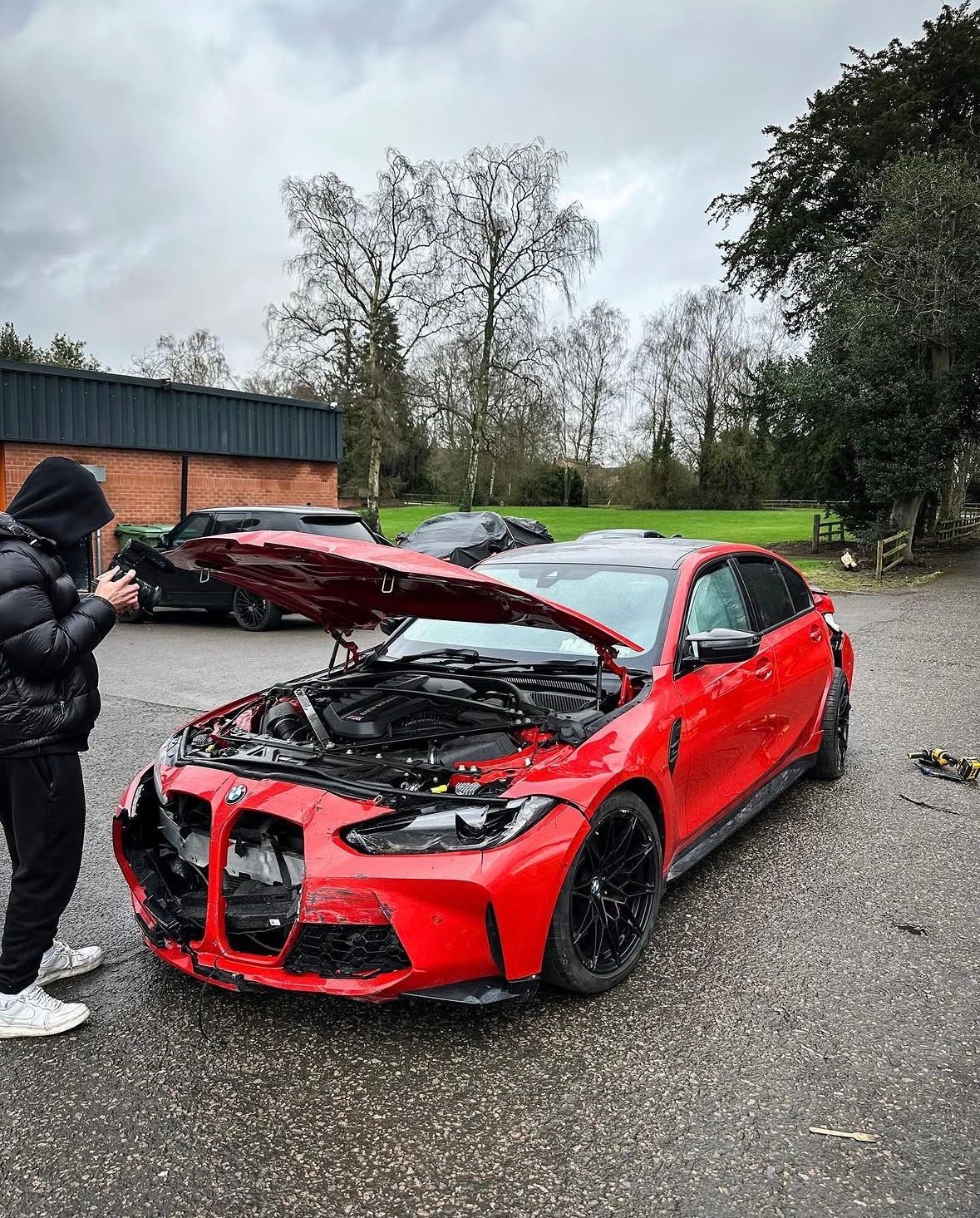
What are Cat S, Cat N, and Cat B Cars? The Complete 2026 UK Guide to Insurance Write-Off Categories
If your car has been written off by an insurer, repaired after an accident, or you're looking at damaged cars for sale, it helps to know exactly what...
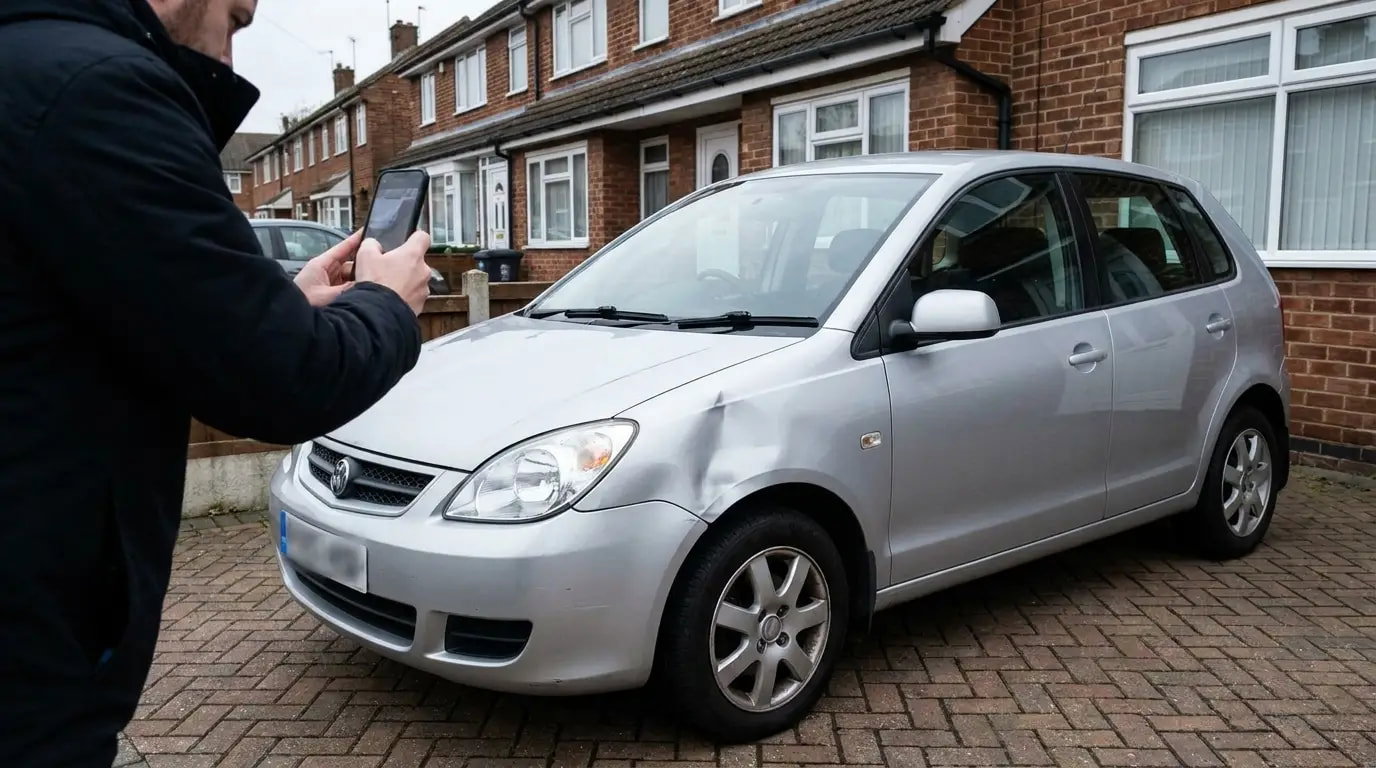
What Trade Buyers Actually Look For in a Damaged Car Listing
What Trade Buyers Actually Look For in a Damaged Car ListingEvery damaged car listing gets the same ten-second scan from a trade buyer before they dec...

The Fastest-Growing Car Rebuilders in the UK Right Now and What They’re Fixing
Britain's rebuild scene has gone mainstream. What was once a quiet corner of the trade is now an industry attracting serious money, online audiences i...