
A Guide to Creating the Perfect Listing for a Crash Damaged Car
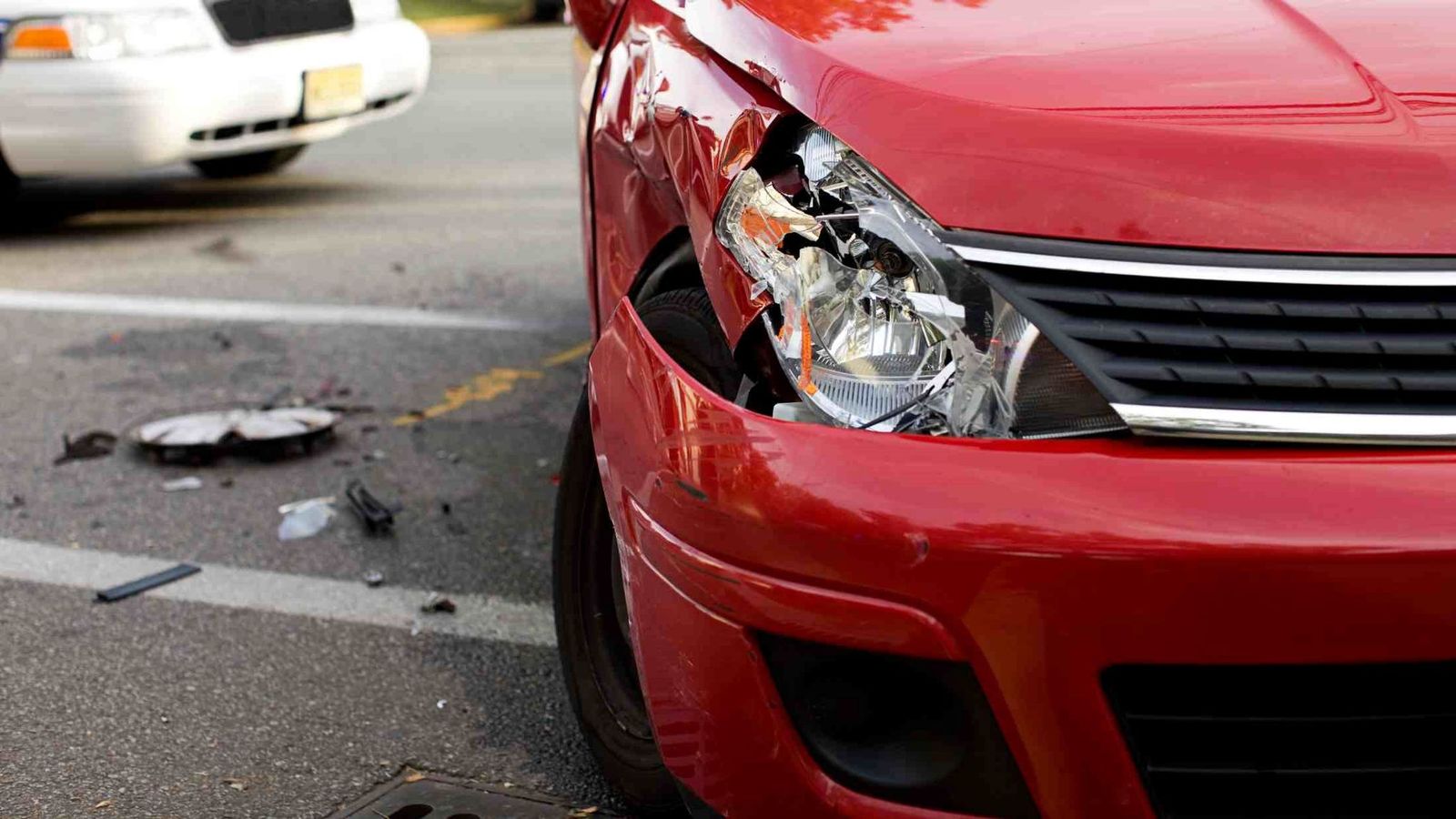
Writing a great damaged car listing is not about dressing the car up. It is about understanding your audience and presenting the car in a way that makes sense to the rebuilders, traders and buyers who are actively looking for imperfect vehicles.
These buyers are not expecting perfection. They are calculating repair potential, parts value and resale margin from the moment they read your listing. Your job is to give them everything they need to make a confident decision quickly. The listings that sell fastest are clear, honest and easy to assess.
Here is how to write one.
Start with your photos — this is where listings succeed or fail
Photos are the first thing buyers look at and the main reason they move on or make contact. On a platform like Second Gears, buyers are experienced, they can read a photo accurately and they will notice if you are trying to hide something.
Do not hide the damage. Lean into it.
Show every angle of the car in good natural light. Then specifically photograph the problem areas. Close-ups of bodywork damage, interior wear, fault locations, warning lights on the dashboard, or anything visible under the bonnet. Honest images build trust and save time for both sides. A buyer who can see exactly what they are dealing with is far more likely to make an offer than one who has to ask.
Photo checklist — include all of these:
Front, rear and both sides of the full car
Close-up of every area of visible damage
Interior front and rear
Boot
Engine bay
Dashboard with ignition on (to show any warning lights)
Odometer reading
Tyres
Any documentation you plan to include (V5C, service history, MOT fail sheet)
More photos, not fewer. Buyers on this platform view detailed photo sets as a sign the seller is serious.
Write a description that thinks like a buyer
The description is where you separate a quick sale from a slow one. Buyers assessing a damaged car need to work out whether it fits their plans and they need to do that from your listing alone.
Give them the basics first: make, model, year, mileage, number of owners and service history. Then explain the damage clearly. What is wrong with it? Is the damage cosmetic, mechanical or structural? Does the car start and drive? Has it been written off by an insurer and assigned a category, or is it an MOT failure or unrepaired accident damage with no write-off marker?
The more specific you are, the more confident buyers feel making an offer.
Description checklist — include all of these:
Make, model, variant and year
Mileage
Number of previous owners
Service history and any documentation available (V5C, MOT history, repair invoices)
Insurance write-off category if applicable (Cat S, Cat N or Cat B)
Description of all known damage — be specific, not vague
Whether the car starts and drives, or is a non-runner
Whether it is SORN'd or has current tax
Any recent work carried out or parts recently replaced
What paperwork is included with the sale
Collection or delivery arrangements
Transparency consistently leads to stronger interest. Buyers are doing maths — they need accurate inputs to make that maths work. Vague listings get ignored or attract low offers from buyers pricing in the risk of unknown faults.
Price it correctly from the start
Pricing is where many sellers get it wrong. A damaged car is not priced like a clean retail car. Buyers need margin to repair, resell or break for parts and if that margin is not visible in your price, they will not engage.
Category cars typically need to be priced meaningfully below the equivalent clean market value — not by a token amount, but by enough that a buyer can see the opportunity clearly. The right discount depends on the make, model, extent of damage and current demand, but the principle is the same: buyers need room to make the numbers work.
Start with what a comparable clean car is selling for right now, then work backwards from there. Factor in the repair cost, the buyer's time and margin, and the additional risk of taking on a damaged vehicle. If your price does not leave room for all of that, serious buyers will not bite.
One advantage of listing on a platform like Second Gears is that multiple buyers can see your listing at the same time. When demand is there, competition between buyers often pushes the final price higher than a single trade quote ever would.
Understand who is buying
Most buyers for crash-damaged and imperfect cars fall into a few clear groups: rebuilders and mechanics looking for a profitable repair project, parts traders sourcing specific components, and experienced dealers who understand salvage values and resell repaired vehicles.
These buyers are not put off by damage. They are looking for opportunity. What they need from your listing is enough detail to quickly decide whether your car fits their needs.
A well-presented listing helps them make that call fast. A vague one makes them move on to the next result.
List it on Second Gears
Second Gears is built specifically for crash-damaged, written-off and imperfect vehicles which means the buyers already on the platform are exactly the audience your listing needs to reach.
Listing is free. There are no auction fees, no commissions and no middlemen. You upload your photos, write your description, set your price, and verified trade buyers contact you directly. No tyre-kickers, no retail browsers expecting a clean car, no wasted conversations.
The platform removes the hassle of auctions and gives you direct access to the buyers most likely to see real value in your car.
Create your free listing on Second Gears and get your car in front of the right buyers today.
The bottom line
A damaged car listing is not about pretending the car is something it is not. It is about showing exactly what it is and letting the right buyer see the value in it.
Clear photos. A thorough, honest description. A price that leaves buyers room to work with. Those three things, done well, are the difference between a fast sale and a listing that sits going nowhere.
Related reading:
Related Articles
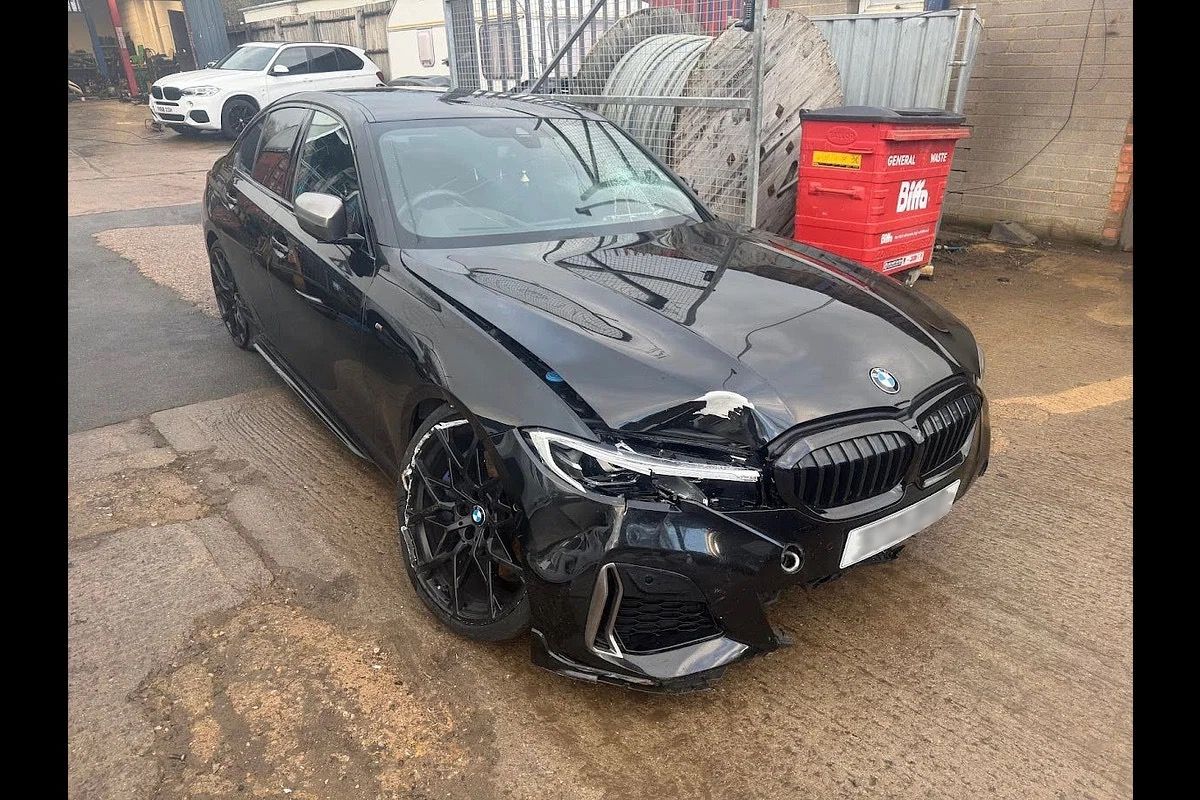
The First Marketplace Built for Crash Damaged Cars in the UK
Selling a damaged car in the UK has always been harder than it should be. Most platforms were built for clean, mainstream vehicles — and when your car...
Can you Sell a Car that Failed its MOT? What UK Drivers need to Know in 2026
When your car fails its MOT, it can feel like the end of the road. You've got a list of faults, a repair bill to think about, and a decision to make....
Selling a Car With Engine Problems: The Maths Most Owners Get Wrong
Selling a Car With Engine Problems: The Maths Most Owners Get WrongAn engine warning, a knock, smoke on startup, or the worst-case phone call from a g...