
Why Damaged Cars are Worth more than you think in 2026
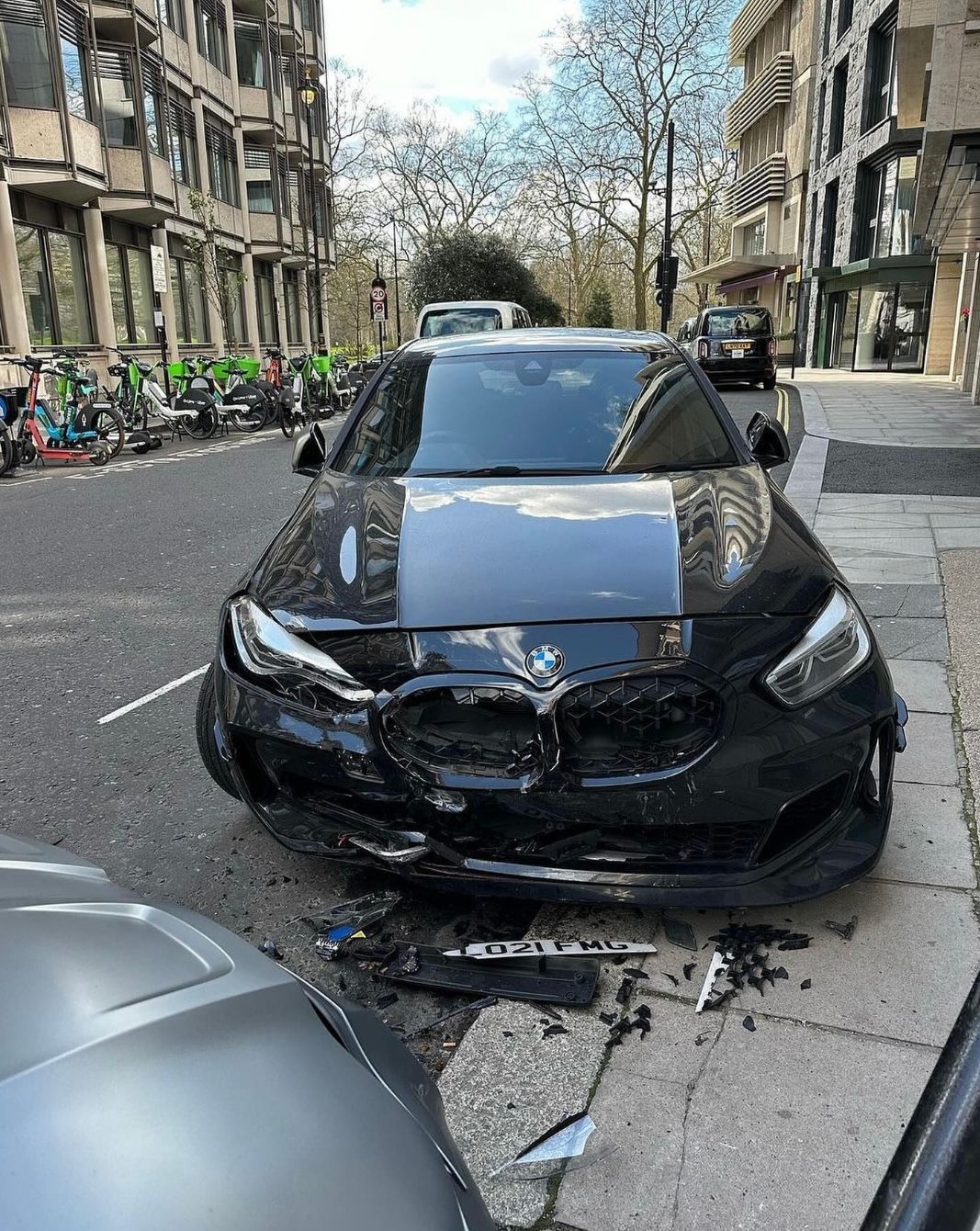
Most people hear the words damaged car and instantly assume the worst.
They picture a vehicle that is only good for the scrapyard, worth pennies, and more hassle than it is worth. And honestly, that reaction is understandable. If your car has been in an accident, suffered cosmetic damage, or been written off by an insurer, it is easy to think the value has completely disappeared.
But in 2026, that is simply not true.
Damaged cars are often worth far more than owners expect. Value does not vanish just because a car has damage — it changes. A damaged car may no longer have the same value to a private driver looking for a spotless runaround, but it can still be highly valuable to traders, dismantlers, rebuilders, exporters, parts buyers and salvage specialists. That matters even more right now. The UK used car market grew to 7.8 million transactions in 2025, used battery electric vehicle sales jumped 45.7% year on year, and Thatcham Research says average post-collision repair costs rose by 50% between 2019 and 2024.
If you are looking at your damaged vehicle and assuming it is basically worthless, it may be time to think again.
A damaged car is not the same as a worthless car
One of the biggest misunderstandings in the motor trade is that damage automatically kills value. It does not.
What damage really does is narrow the pool of buyers. A family looking for a tidy used hatchback may walk away. But someone sourcing parts, someone looking for a repair project, or a business that understands salvage values may see real opportunity.
That is why two people can look at the exact same damaged car and come to completely different conclusions. One sees a problem. The other sees stock.
This is especially true when the car still has strong underlying value in its engine, gearbox, body panels, interior, electronics, alloys, catalytic components or battery system. Even when a car is not economical to repair for one owner or one insurer, it can still have considerable value in the right hands.
Why more cars are being written off even when they still have value
This is where many car owners get caught out.
An insurer may decide a car is a total loss, but that does not always mean the car is beyond repair. The ABI explains that a vehicle can be treated as a write-off when the cost to repair it exceeds its actual cash value, or when wider costs linked to the claim push the total too high. In other words, it can become an economic total loss rather than a physically hopeless one.
Modern cars are packed with sensors, cameras, driver assistance systems, expensive bumpers, specialist paint finishes and increasingly complex electronics. Even relatively modest damage can trigger a surprisingly large repair estimate. A cracked bumper is no longer just a cracked bumper — it may involve parking sensors, radar units, calibration work, trims, paint blending and labour. Thatcham says insurer requirements now expect ADAS-equipped vehicles to be repaired to manufacturer standards, which raises the complexity and cost of proper repairs.
So yes, a car may be written off on paper. That does not mean it has no market value.
The used parts market is stronger than most people realise
Another reason damaged cars can be worth more in 2026 is the growing demand for quality used parts.
Buyers are more price-conscious. Garages and specialists are under pressure to source parts cost-effectively. Rebuilders know that one damaged vehicle can still contain a long list of perfectly usable components. And for many makes and models, certain parts hold value exceptionally well.
A damaged car may still be desirable because of:
low-mileage engines and gearboxes in good order
clean interiors and sought-after alloy wheels
infotainment systems, lights, trim and mirrors
doors, bonnets and tailgates
catalytic converters and exhaust components
EV battery modules and charging hardware with resale potential
From the outside, a car can look finished. To the right buyer, it can still be a valuable collection of in-demand parts.
Why damaged EVs deserve a second look
Electric cars are a major reason this topic matters even more in 2026.
Used EV demand is rising fast. SMMT reported a record 274,815 used BEV transactions in 2025, with electrified vehicles accounting for nearly one in ten used purchases. At the same time, EV repairability is still evolving. Thatcham Research launched a new EV Blueprint in March 2026 specifically to reduce unnecessary write-offs caused by costly battery replacement and to support safe, economical battery repair instead.
In plain terms: the market is still working out how best to value and repair damaged EVs. In some cases, that uncertainty creates opportunity. A damaged EV may be undervalued by an owner who assumes the worst, while a specialist buyer understands exactly where the recoverable value sits.
The make and model still matters
Not all damaged cars are equal.
A damaged prestige car, popular family hatchback, performance model, van or newer low-mileage vehicle can still be highly attractive to buyers — because the underlying demand is still there. If the model is common, parts are easier to move. If it is desirable, repaired resale potential stays strong. If it is commercial, buyers focus on function over perfection. If it is premium, the component values alone can be significant.
Even older cars can surprise you if they are well-specced, mechanically sound or from a make with a loyal following and a strong breaker network behind it.
So when people ask "is my damaged car worth anything?" the honest answer is almost always: probably more than you think.
Cosmetic damage can look worse than it is
A lot of owners panic when they see visible damage on their car.
A dented wing, broken light, scraped bumper or damaged door can make a car feel finished. But visual damage is not always the same as severe structural damage. Sometimes the biggest issue is how the car looks, not what it is actually worth.
That is where specialist buyers differ from everyday motorists. They are not buying emotion. They are buying opportunity, parts, repair margin or stock value. A private seller may struggle to get interest because retail buyers want something clean and easy. A damaged car buyer sees it through a completely different lens.
How Second Gears works for sellers of damaged cars
Second Gears is a UK marketplace built specifically for crash-damaged, written-off, Cat S and Cat N vehicles — connecting private sellers directly with verified trade buyers who already understand what damaged cars are really worth.
Listing is free. There are no auction fees, no commissions and no middlemen taking a cut. You list the car with photos and condition details, and verified buyers — dealers, bodyshops, rebuilders and salvage specialists — contact you directly. No tyre-kickers, no awkward viewings, no lowball offers from people who don't understand the market.
Before you accept the first offer you're given or call the scrap merchant, find out what a specialist buyer would actually pay. You may be surprised by how much value remains.
List your damaged car free on Second Gears and get it in front of the right buyers.
The bottom line
Damaged does not mean done.
In today's UK market, cars are more complex, parts are more valuable, and specialist buyers are better equipped to recover value from vehicles that ordinary sellers would write off long before the market does.
Whether your car has been in an accident, classed as an insurance write-off, suffered cosmetic damage or simply become too expensive to repair — there may still be more money in it than you expect. The smart move is not to guess. The smart move is to get it in front of people who understand what damaged cars are actually worth.
Because sometimes the car you think is a lost cause is exactly the kind of vehicle someone else is looking for.
Related reading:
Related Articles
Selling a Car With Engine Problems: The Maths Most Owners Get Wrong
Selling a Car With Engine Problems: The Maths Most Owners Get WrongAn engine warning, a knock, smoke on startup, or the worst-case phone call from a g...
Selling a Car With a Blown Head Gasket: Repair It or Move It On?
Selling a Car With a Blown Head Gasket: Repair It or Move It On?White smoke from the exhaust, mayonnaise under the oil cap, a temperature needle with...
Selling a Car With Gearbox Problems: Why the Repair Quote Isn't the Whole Story
Selling a Car With Gearbox Problems: Why the Repair Quote Isn't the Whole StoryGearbox failure is the quote that makes owners give up on a car. A repl...