
Can you Insure a Cat S or Cat N Car in the UK?
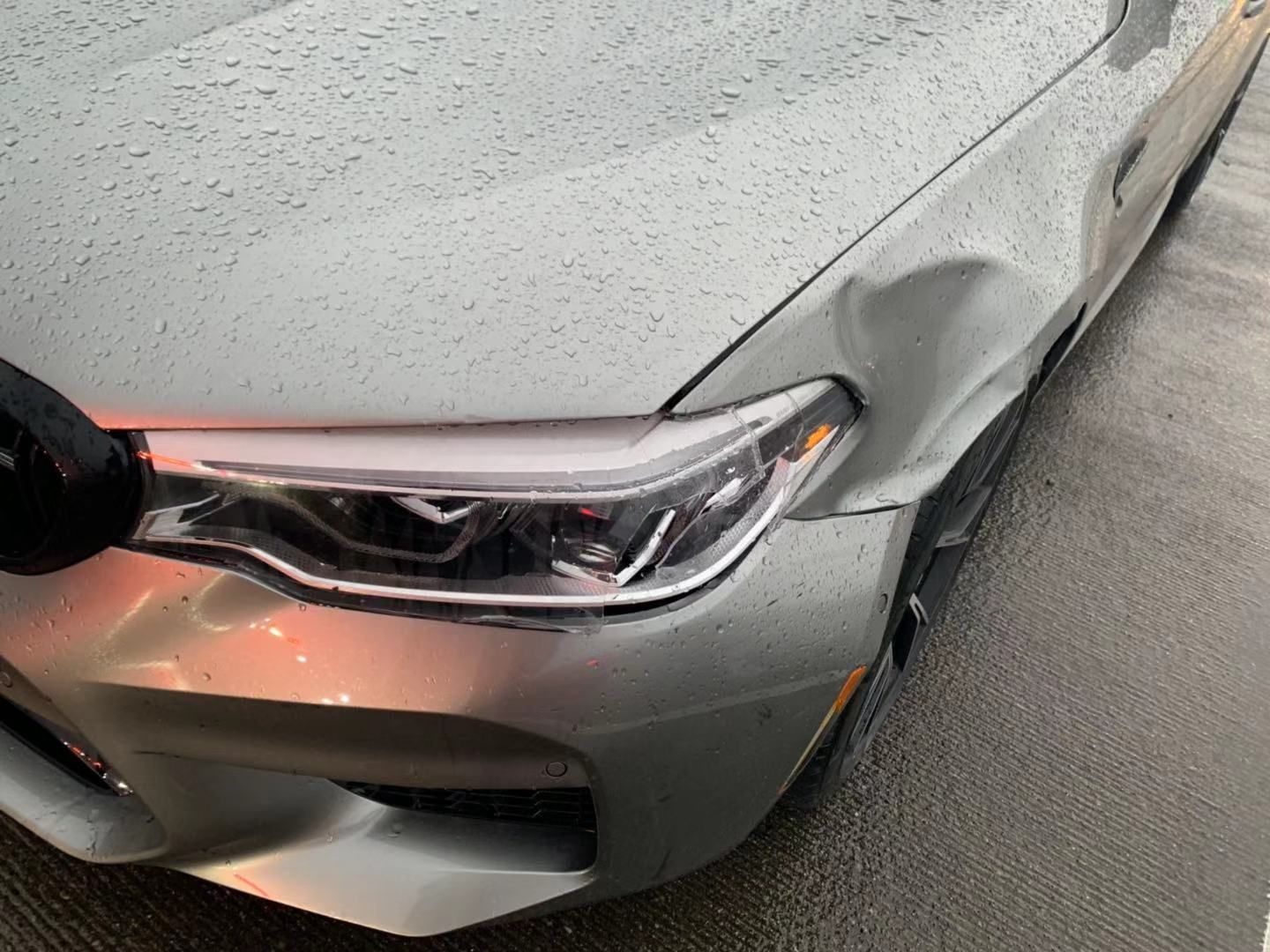
Yes. Cat S and Cat N cars can be insured in the UK. But the process is slightly different to insuring a standard used car, and going about it the wrong way can leave you either uninsured or significantly overpaying.
This guide explains exactly how insurance works for category cars, what you need to disclose, which insurers are most likely to cover you, and what to expect when it comes to cost.
Why insurers treat category cars differently
When a car is written off and assigned a Cat S or Cat N marker, that information is permanently recorded on its history. Any insurer running a standard check on the vehicle will see it immediately.
Insurers view category cars as carrying a slightly higher risk profile than equivalent clean cars. The reasoning is straightforward: the vehicle has been through a significant incident, and even a well-documented repair introduces questions about long-term reliability, safety system integrity and future repairability that a car with no history does not. That risk assessment is reflected in premiums and, in some cases, in a flat refusal to cover the vehicle at all.
The key distinction is between mainstream insurers and specialist insurers. Many high street and comparison site insurers will simply decline to quote for a Cat S or Cat N vehicle, or will exclude write-off history from their standard policies. Specialist insurers, on the other hand, price these vehicles accurately and cover them routinely. Going straight to a specialist is almost always the more effective route.
What you must disclose
You are legally required to disclose the write-off category when arranging insurance for a Cat S or Cat N vehicle. Failing to do so is a form of misrepresentation and can invalidate your policy entirely, meaning any future claim could be refused and you could be left personally liable for damage or injury costs.
The category marker stays on the car's history permanently. There is no way to remove it, and insurers can and do cross-reference vehicle history data when claims are made. Even if the insurer does not ask the question directly at the point of sale, the obligation to disclose material facts about the vehicle sits with you.
Be clear, upfront and accurate when applying for cover. State the write-off category, the date of the original incident, the nature of the damage, and whether the car has been professionally repaired with documentation. The more information you provide, the more accurately the insurer can price your policy and the less risk there is of a claim being challenged later.
Cat S vs Cat N — does the category affect insurability?
Both Cat S and Cat N cars can be insured, but Cat S can be slightly harder to place with some insurers because it involves structural damage. Structural repairs require a higher standard of documentation and some insurers apply more scrutiny to Cat S vehicles as a result.
For Cat S specifically, having a full repair file is particularly important when approaching insurers. This means parts invoices, bodyshop estimates, geometry and alignment reports, and any ADAS calibration certificates confirming that driver assistance systems were recalibrated after the repair. Insurers covering Cat S cars want confidence that the structural work was done properly and that the car is genuinely roadworthy.
Cat N is generally more straightforward to insure because the damage was non-structural. Premiums may still be higher than an equivalent clean car, but the pool of willing insurers is broader and the documentation requirements are less demanding.
How much more does insurance cost for a category car?
There is no single answer because premiums depend on the make and model, the extent of the original damage, the quality of the repair, your own driving history and the insurer you approach. What is consistent is that category cars typically cost more to insure than an equivalent vehicle with no write-off history.
The increase varies. For a well-repaired Cat N car with full documentation and a clean driving record, the difference may be relatively modest. For a Cat S car with more serious prior damage, or for a driver who already has points or prior claims, the additional cost can be more significant.
The most effective way to manage this is to compare quotes specifically from insurers who understand category vehicles rather than going through standard comparison sites, which often exclude or flag these cars. Specialist brokers can access a wider market and negotiate more competitive rates for write-off vehicles than a standard online search will typically return.
Which insurers cover Cat S and Cat N cars?
The mainstream high street insurers are inconsistent. Some will quote, some will not, and policies that do cover category cars through mainstream providers often carry exclusions or conditions that are worth reading carefully.
Specialist insurers and brokers who deal in modified, imported and salvage vehicles are the most reliable route. They understand the market, price it correctly, and are experienced in handling claims on category cars without the complications that can arise when a mainstream insurer discovers write-off history mid-claim.
When comparing quotes, always confirm the following before accepting a policy:
That the write-off category has been noted and accepted on the policy
That there are no exclusions related to prior damage or salvage history
That the agreed value or market value basis for settlement is clearly stated
That the insurer understands the car has been repaired and what documentation exists
Getting these points confirmed in writing protects you if you ever need to make a claim.
What if the car has not been repaired yet?
If you have retained a write-off and the car has not yet been fully repaired, insuring it for road use is more complex. An unrepaired Cat S or Cat N vehicle is not roadworthy and should not be driven on public roads. You can declare a SORN to keep it off the road without insurance while repairs are carried out, which also means you do not need to pay road tax during that period.
Once the car has been professionally repaired and is roadworthy, you can then approach insurers with the full repair documentation and arrange cover before driving it. Do not drive the car on public roads without valid insurance and a roadworthy repair in place, regardless of the write-off category.
Does insuring a category car affect your no claims bonus?
Your no claims bonus is linked to you as a driver, not to a specific vehicle. Insuring a Cat S or Cat N car does not reset or affect your existing no claims discount. If you move your policy from a clean car to a category car, your accumulated no claims history transfers with you.
What can affect your no claims bonus is making a claim on the policy, in the same way any claim would. The category of the car itself has no impact on your no claims record.
How Second Gears fits in
If you are selling a Cat S or Cat N car, insurance questions are often what buyers raise before committing to a purchase. Being able to point buyers toward clear, accurate information about insurability can make your listing more attractive and reduce the hesitation that slows sales down.
Second Gears is built specifically for Cat S and Cat N vehicles, connecting sellers directly with verified trade buyers who already understand write-off categories, insurance implications and repair documentation. Listing is free, there are no auction fees or commissions, and buyers contact you directly.
List your Cat S or Cat N car free on Second Gears and reach buyers who are ready to move.
Common questions
Do I have to tell my insurer if I buy a Cat S or Cat N car?
Yes. You are legally required to disclose material facts about the vehicle, including its write-off history. Failing to do so can invalidate your policy and leave you uninsured.
Can I insure a Cat N car on a standard comparison site?
Some comparison sites will return quotes for Cat N cars, but many insurers on those platforms exclude or restrict write-off vehicles. A specialist broker or insurer experienced in category cars will almost always give you better options and more accurate pricing.
Will my premium go down over time if I have a category car?
Yes. As the distance from the original write-off grows and the repair history becomes more established, some insurers will price the risk more favourably at renewal. Keeping full documentation of the repair and maintaining a clean claims record both help.
Can I get agreed value insurance on a Cat S or Cat N car?
Some specialist insurers will offer agreed value policies on category cars, which fixes the settlement amount in the event of a total loss rather than leaving it to a market value assessment at the time of claim. This is worth asking about specifically when approaching specialist brokers, particularly for higher-value vehicles.
Is a Cat N car cheaper to insure than a Cat S car?
Generally yes. Cat N involves non-structural damage and is viewed as a lower-risk category by most insurers. Cat S structural repairs require more documentation and scrutiny, which typically results in higher premiums and a smaller pool of willing insurers.
The bottom line
Cat S and Cat N cars can be insured in the UK, and many thousands of them are driven on UK roads every day. The process requires more care than insuring a standard used car — full disclosure, the right insurer, and solid repair documentation all matter. But none of it is complicated once you know what to do.
Go to a specialist, be transparent about the vehicle's history, and make sure the policy explicitly acknowledges the write-off category. Do those things and insuring a category car is straightforward.
Related reading:
Related Articles
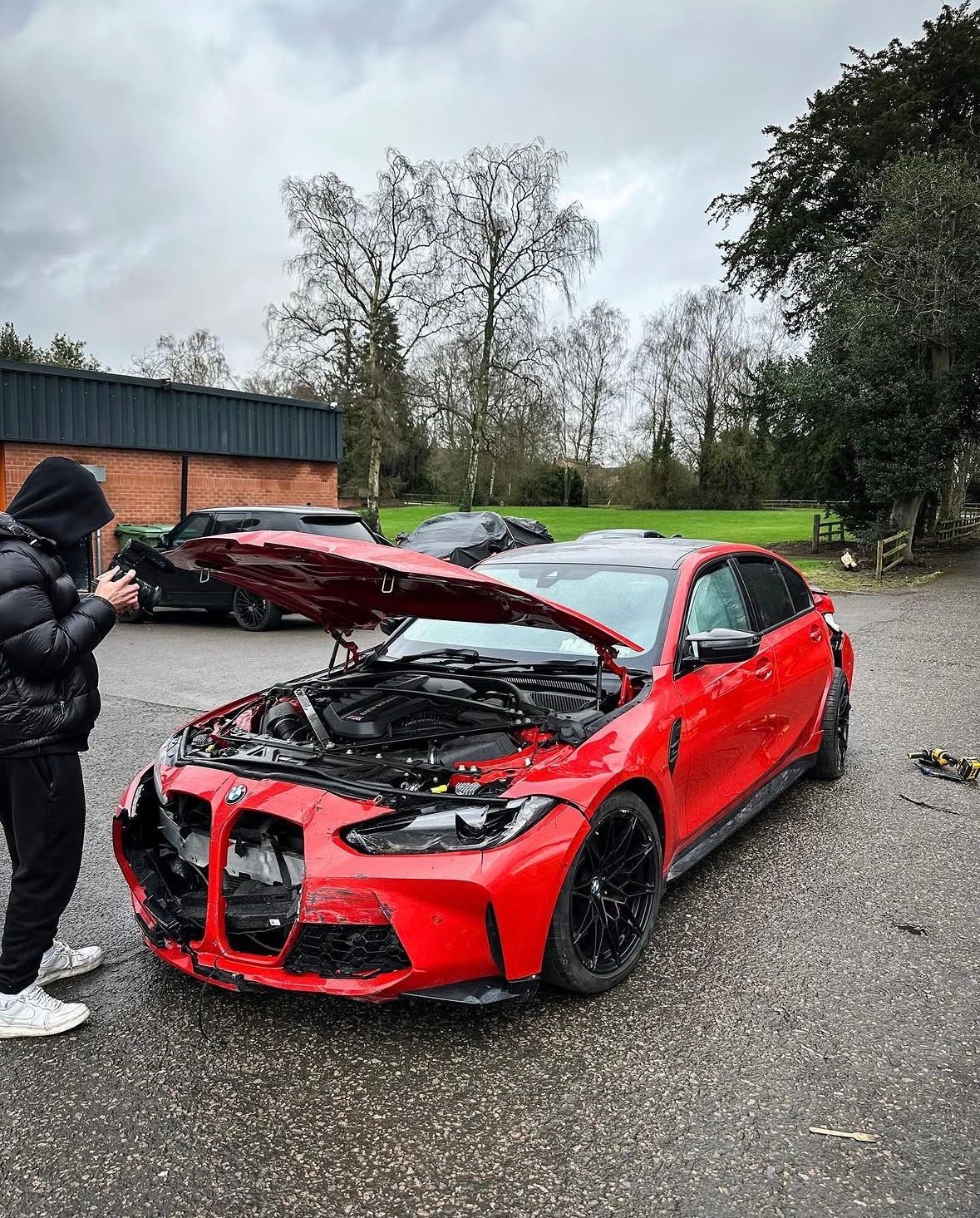
What are Cat S, Cat N, and Cat B Cars? The Complete 2026 UK Guide to Insurance Write-Off Categories
If your car has been written off by an insurer, repaired after an accident, or you're looking at damaged cars for sale, it helps to know exactly what...
How to Sell a Car With Outstanding Finance in the UK
If you want to sell your car but still have a finance agreement running on it, you are not stuck. But you do need to handle it correctly.Selling a car...

The Fastest-Growing Car Rebuilders in the UK Right Now and What They’re Fixing
Britain's rebuild scene has gone mainstream. What was once a quiet corner of the trade is now an industry attracting serious money, online audiences i...