
Are Salvage Cars Safe to Drive?
Yes, a salvage car can be a safe and smart choice, when you buy carefully and know what to look for.
If a car has been repaired properly and the work is fully documented, it can be just as safe as any other vehicle on the road. In many cases it is a genuinely better buy than an equivalent clean car, because you can see exactly what was repaired and how, something you rarely get with a standard used car purchase.
The key is not the label. It is the quality of the repair and the evidence behind it.
Why so many cars are written off when they are still repairable
A lot of modern cars end up as write-offs for financial reasons, not because they are dangerous or beyond saving. Sensors, cameras, parking systems and driver assistance electronics can be expensive for insurers to replace at main dealer rates. When the repair bill approaches the car's market value, writing it off often costs the insurer less, even if the underlying car is structurally sound and mechanically strong.
That creates a real opportunity for buyers. You can often acquire a good, fundamentally solid car at a significantly lower price, simply because an insurer's accounting decision put it into the salvage system. Understanding how insurers calculate a write-off helps you recognise when that gap between insurance decision and actual vehicle quality is working in your favour.
What the categories actually mean for safety
The UK uses four write-off categories, but only two are relevant for buyers considering a salvage car.
Cat A and Cat B vehicles cannot return to the road. Cat A must be crushed entirely. Cat B must have its shell destroyed, though some parts can be reused. Neither is suitable for purchase as a road car.
Cat S means the car suffered structural damage, to the chassis or other structural components, but can legally return to the road once properly repaired. The standard of repair matters here, and documentation proving the work was carried out correctly is essential.
Cat N means the damage was non-structural. That can still include brakes, suspension, electrics, steering or cosmetic damage but not the main frame. Cat N cars can return to the road once repaired to a roadworthy standard.
Both Cat S and Cat N vehicles are legal to drive once repaired and roadworthy. The category is recorded permanently on the V5C log book, which is why documentation and transparency matter so much.
What makes a salvage car genuinely safe to buy
A properly repaired salvage car with clear documentation can be just as safe as a car with no write-off history. What gives you confidence as a buyer is the paper trail behind the repair.
You should be able to see what the original damage was, what was repaired or replaced, who carried out the work, and for any car with driver assistance systems, whether sensors and cameras were recalibrated to manufacturer tolerances after the repair. Modern vehicles with ADAS technology require this calibration to be done correctly before the car is safe to drive.
When everything is transparent and documented, you are not guessing. You know exactly what you are buying. That level of visibility is something you rarely get with a standard used car, where the history can be far more opaque.
The risks and how to manage them
Like any used car purchase, buying a salvage vehicle carries risks but they are manageable if you approach it correctly.
Flood damage is one of the most serious concerns. Water ingress into a modern car's electronics can cause long-term problems that are not immediately visible and can worsen over time. Check carefully for signs of water damage inside the car, under carpets, in the boot and in the engine bay before committing.
Poor or incomplete repairs are another risk. This is why photos, invoices and repair records matter so much. A car that looks good on the surface but has hidden unrepaired damage is the scenario you are trying to avoid and proper documentation is your protection against it.
Airbags and safety systems must be correctly restored. Deployed airbags need to be replaced with genuine components, and any related sensors or control units must be tested and confirmed as working. Always verify this is covered in the repair paperwork before buying.
An independent inspection from a trusted mechanic before purchase removes most of these risks. For a Cat S car in particular, a structural check by a qualified bodyshop is worth the cost.
How to buy a salvage car with confidence
Before committing to a purchase, work through these steps:
Check the car's history using a trusted paid service. Look for write-off markers, outstanding finance and mileage discrepancies
Verify the V5C log book and confirm the correct category is recorded
Ask for full repair documentation including parts invoices, labour records and any calibration certificates
Check the MOT history on the DVLA's free service and review any advisories
Ask specifically whether airbags, safety systems and ADAS components were restored and tested
Where possible, arrange an independent mechanical or structural inspection before buying
These steps give you a clear picture of exactly what you are purchasing and the confidence to make a well-informed decision.
Insurance and the savings available
Salvage cars can be insured, though premiums may be slightly higher than for an equivalent clean car. Some specialist insurers focus specifically on Cat S and Cat N vehicles and often offer more competitive pricing than standard providers.
The financial case is compelling. You can typically save between 30 and 50 per cent compared to an equivalent car with no write-off history. For a well-repaired Cat N car with solid documentation, that saving represents real value, not a compromise.
How Second Gears works for salvage car buyers and sellers
Second Gears is built specifically for damaged, repaired and imperfect vehicles which means every listing on the platform is the kind of car this guide is about.
For buyers, that means access to a focused marketplace where sellers are expected to be transparent about damage and repairs. Verified trade sellers include dealers, rebuilders and specialists who understand these vehicles and list them with the detail buyers need to make confident decisions.
For sellers of Cat S, Cat N and damaged vehicles, listing is free. There are no auction fees or commissions, and you connect directly with buyers who already understand the market.
Browse or list on Second Gears and find out what the right buyer will pay.
The bottom line
A salvage car is only as good as the repair and the paperwork behind it. When both are solid, you can end up with a safe, reliable car for a significantly better price than an equivalent clean example and with more transparency about its history than most standard used car purchases offer.
Take your time, ask the right questions, and focus on evidence. That is how you turn a salvage car into a smart deal.
Related reading:
Related Articles
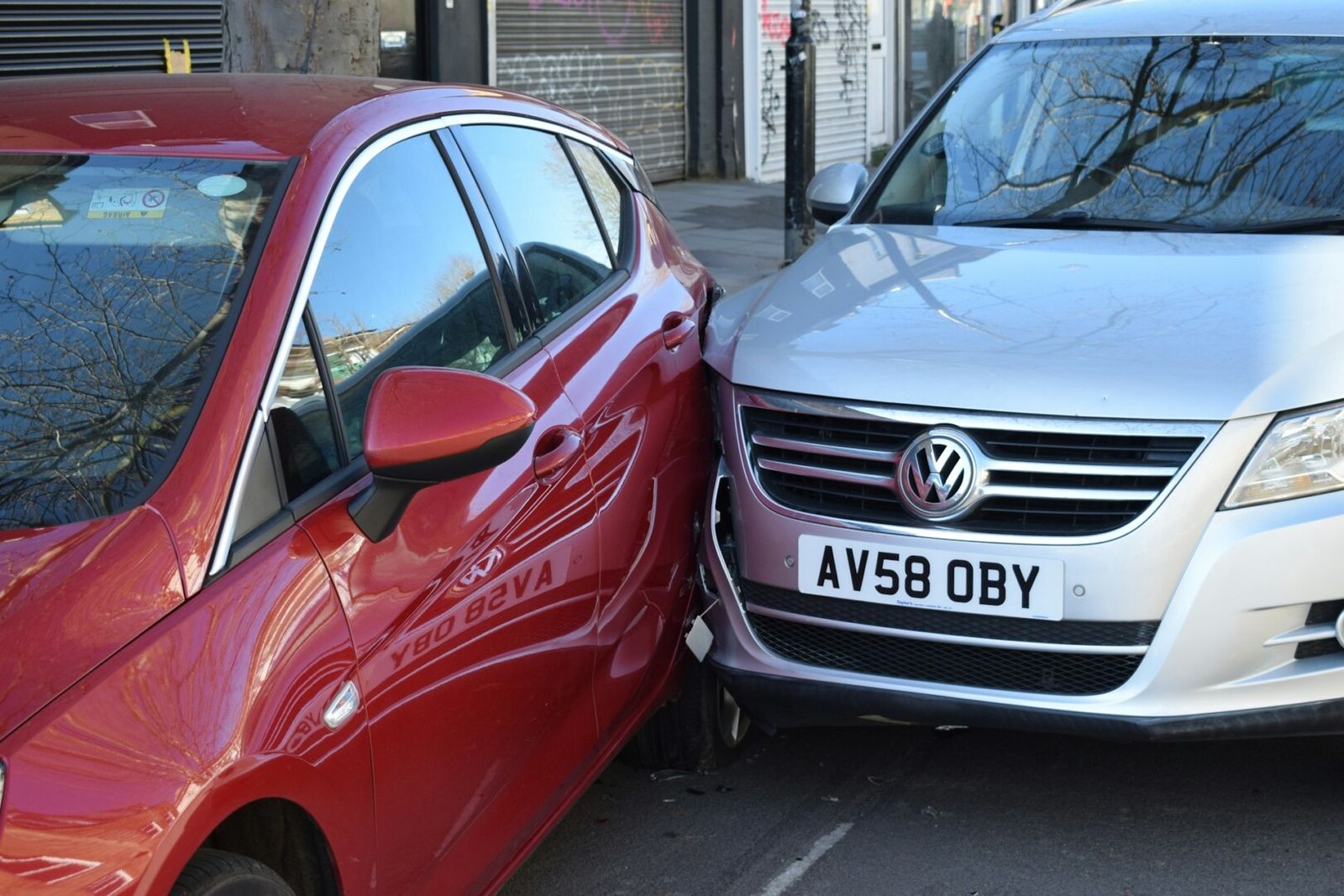
Are Older Damaged Cars Worth More in 2026? Britain’s Ageing Car Boom Explained
If you own an older damaged car, there is a good chance you are undervaluing it.For years, the assumption was simple: once a car hit 10 years old, any...
How Long Does It Take to Sell a Damaged Car? Honest Timelines
How Long Does It Take to Sell a Damaged Car? Honest Timelines"How fast will it sell?" is the second question every damaged car seller asks, right afte...
Cat N Car Insurance: The Questions Everyone Asks After the Repair
Cat N Car Insurance: The Questions Everyone Asks After the RepairCat N cars have gone mainstream. With repair costs writing off lightly damaged cars i...