
The Fastest-Growing Car Rebuilders in the UK Right Now and What They’re Fixing

Britain's rebuild scene has gone mainstream. What was once a quiet corner of the trade is now an industry attracting serious money, online audiences in the millions, and an ever-growing pool of buyers and sellers.
Insurance write-offs are becoming more common, MOT and engine failures are being rescued rather than scrapped, and a culture of transparency means more people than ever understand what goes into a rebuild. Rising repair costs and tougher insurance economics mean many borderline cases are written off on cost grounds alone. In 2025, UK motor insurers handled around 2.5 million claims with payouts at record levels which explains the steady supply of salvage entering the market.
This feature takes a close look at the rules around write-offs, the influencers driving the scene, the cars proving most attractive to repair, and how to buy or sell safely if you are a dealer, rebuilder or owner with a problem car.
Cat S, Cat N, and what a write-off really means
The UK salvage system is governed by the ABI Salvage Code. It is straightforward once you strip away the jargon:
Cat A: scrap only — must be crushed.
Cat B: breaker only — parts salvage permitted but the shell must be destroyed.
Cat S: structural damage but repairable if done correctly.
Cat N: non-structural damage, often electrical, cosmetic or suspension-related.
Both Cat S and Cat N vehicles can legally return to the road after proper repair. The S stands for structural, not scrap. The category is permanently recorded on the V5C log book and may affect insurance premiums, but a well-documented repair can still make a Cat S or Cat N car a smart buy.
Since the abolition of the old VIC (Vehicle Identity Check) scheme in 2015, there is no additional DVSA inspection required. The responsibility sits with the rebuilder to follow manufacturer methods and prove the work was done correctly.
Modern cars bring added complexity through ADAS (Advanced Driver Assistance Systems). If sensors, cameras or radar units are disturbed during a repair, those systems must be recalibrated to manufacturer tolerances before the car goes back on the road. Any serious buyer will expect paperwork to prove calibration was carried out.
Why the rebuild scene is booming
Write-off volumes are being pushed higher by rising costs throughout the supply chain. When labour, OEM parts and hire car bills increase, the insurer's threshold for repair drops. Cars that could once have been fixed are now economically unviable for insurers — but highly attractive for rebuilders with time, skill and cheaper access to parts.
On the demand side, platforms like YouTube, TikTok and Instagram have turned car repair into entertainment. A transparent teardown, an honest spreadsheet of costs, and the satisfaction of a freshly aligned car leaving the ramp is compelling content. It is educational, inspiring, and it has made "salvage" a mainstream word that carries far less stigma than it did five years ago.
The UK's standout rebuilders right now
Mat Armstrong is best known for tackling heavy damage on high-end performance cars. His multi-million-view rebuilds show the upper end of the salvage spectrum, mangled supercars returned to road-ready showpieces and have done more than anyone to bring the category to a mass audience.
Chris Slix combines knowledge with entertainment, specialising in drift builds, track projects and Japanese imports. Expect modifications and performance upgrades alongside the repairs, a style that resonates strongly with younger enthusiasts.
Salvage Rebuilds UK covers a broad range of projects, from modest Fords to the occasional Ferrari. Their calm, methodical style and openness about costs have built genuine trust among viewers and buyers alike.
Joe James focuses on hot hatches, daily drivers and BMWs. High-energy, candid and detailed, his content shows what is realistic for driveway rebuilders working with limited space and budget. His collaboration with Second Gears highlights real market opportunities for sellers and buyers in this space.
Saving Salvage combines hands-on knowledge with engaging storytelling, specialising in buying, rebuilding and flipping damaged and salvage cars. Detailed repairs, budget builds and full transformations with a mix of problem-solving and real-world challenges that appeal to both practical enthusiasts and newcomers to the scene.
How to assess a repairable car
Check the history. Start with the DVLA's free MOT history service, then use a paid provenance check for write-off markers, finance flags and mileage anomalies.
Inspect the paperwork. Look for parts invoices, bodyshop estimates, geometry printouts and ADAS calibration certificates. A well-documented file builds confidence with future buyers and insurers, and is one of the most important factors in the resale value of any repaired category car.
Assess the structure. On Cat S, make sure proper repair methods were followed, corrosion protection was reapplied, and crash structures were replaced rather than straightened. On Cat N, check for hidden suspension or cooling issues that may not be obvious at first glance.
Test with purpose. Check tracking, brake performance and steering response. On hybrids or EVs, check battery behaviour and thermal management. If in doubt, commission an independent inspection before committing.
Where these cars come from
Most salvage flows through major online auction platforms. Copart dominates the UK salvage market, selling hundreds of thousands of vehicles a year. Trade buyers also source directly from insurers, breakers, and increasingly from private sellers who prefer a quicker and more transparent route to market.
That last group is growing and it is where the biggest opportunities now exist for sellers who understand their options.
How Second Gears works for the rebuild community
Second Gears is built specifically for damaged, repaired and MOT-failed vehicles which makes it a natural fit for the rebuild scene on both sides of the transaction.
For dealers and rebuilders, it means direct access to fresh stock with transparent condition details and no inflated auction fees eating into margin. For private sellers, it means listing a damaged or category car for free and reaching buyers who already understand what the vehicle is worth without going through an auction chain at all.
Listing is free. There are no commissions, no success fees and no middlemen. Sellers list with photos and condition details, verified trade buyers contact them directly, and the sale completes without the delays and costs of a traditional auction route.
List your damaged or category car free on Second Gears and reach the rebuild community directly.
Common questions
Are Cat S cars safe once repaired?
Yes, provided repairs follow manufacturer methods and all safety systems are recalibrated. Look for paperwork confirming the work was carried out to the required standard before buying.
Do Cat S or Cat N cars need a VIC check?
No. The VIC scheme was abolished in 2015. The category marker remains on the V5C log book permanently, but there is no mandatory government inspection before the car can return to the road.
Can I keep my Cat S or Cat N car after an insurance payout?
Yes. Insurers can sell the car back to you after a write-off settlement. For Cat S, you will need to apply for a new log book using form V62. For Cat N, you can keep the existing log book.
My car failed its MOT. Can I repair and retest quickly?
Yes. Fix the faults and, if the car remains at the test centre, a partial retest within ten working days is available rather than a full new MOT.
Where can I check a car's history?
Start with the DVLA's free services for MOT history, then use a paid history check to see write-off status, outstanding finance and mileage discrepancies.
The bottom line
The rise of UK rebuilders shows how attitudes to damaged cars are changing. What was once considered scrap is now sought-after stock and with the right knowledge it can be a bargain, a business, or both.
Platforms like Second Gears are making it easier to buy, sell and connect in the imperfect-car market. Because in 2026, one thing is clear: damaged does not mean done.
Related reading:
Related Articles
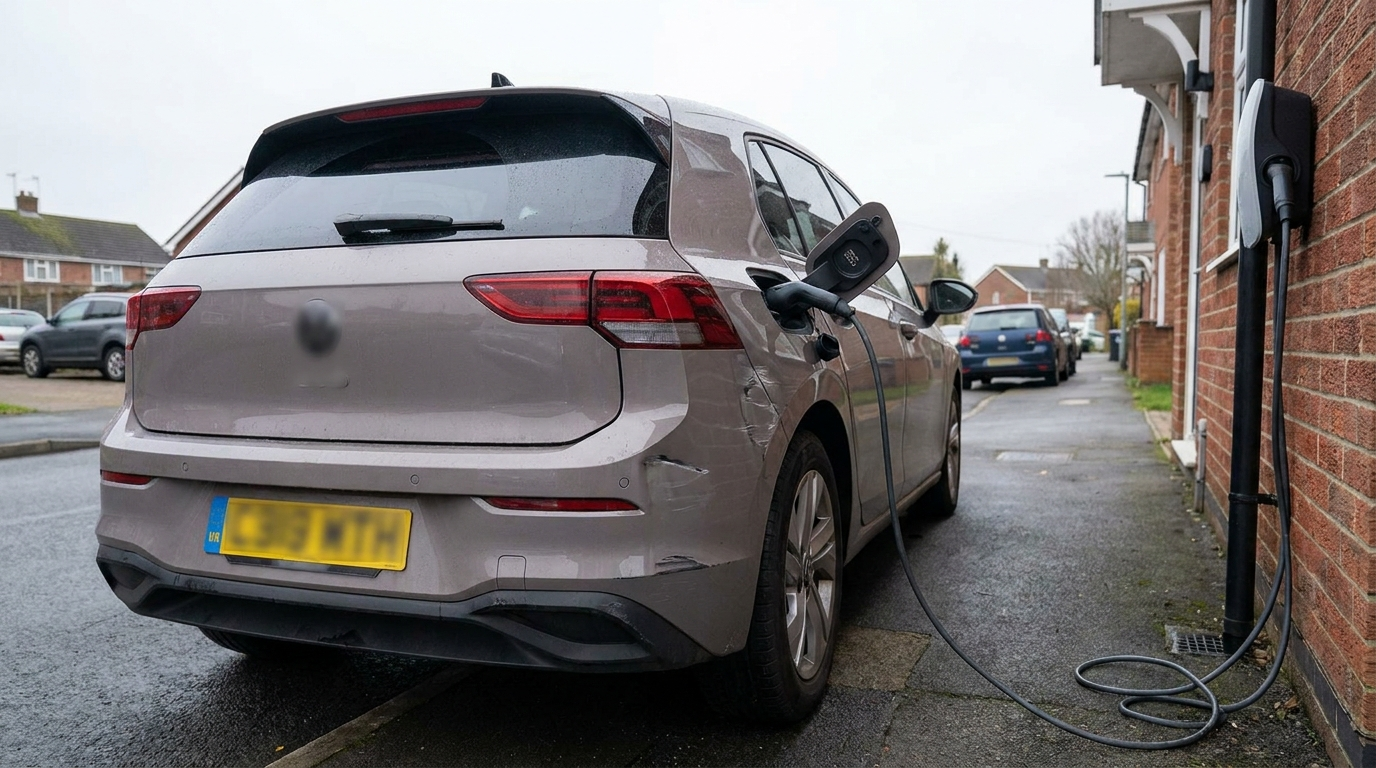
Used EV Sales Just Hit Record Highs. Here's What That Means If Yours Is Damaged
Used EV Sales Just Hit Record Highs. Here's What That Means If Yours Is DamagedThe UK used electric car market is no longer a niche. In the first quar...
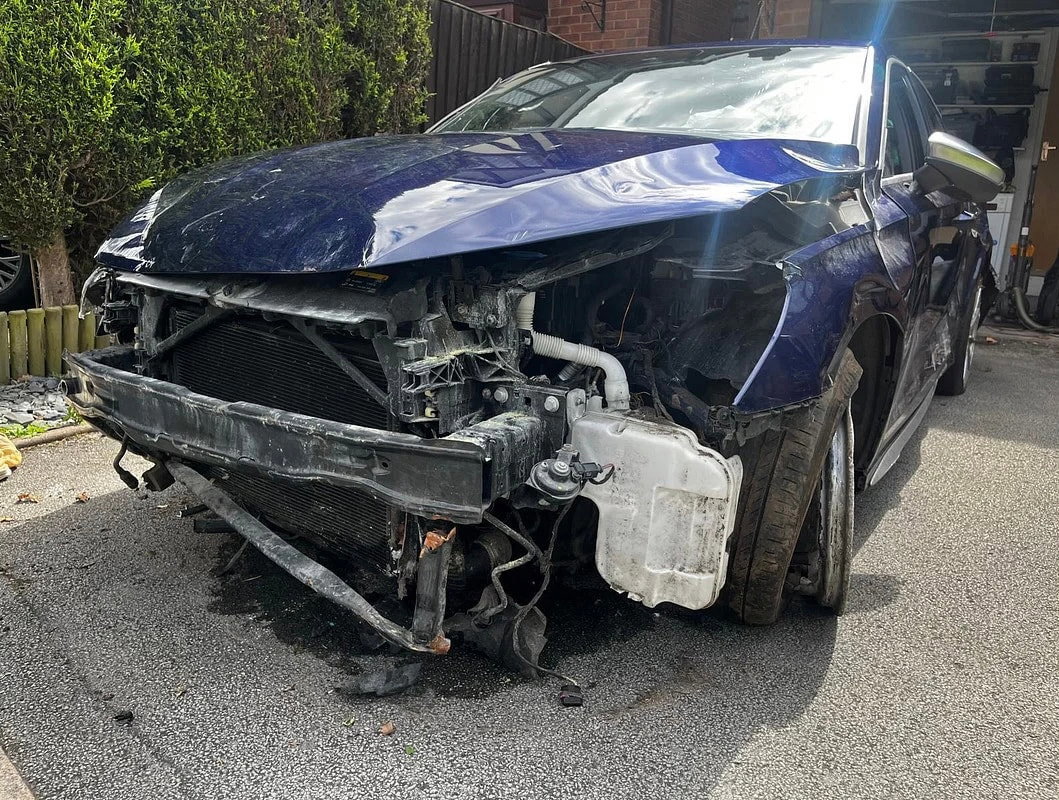
Insurance Buy-Back, Explained in Two Minutes (and the £2,600 Decision)
Insurance Buy-Back, Explained in Two Minutes (and the £2,600 Decision)You've had a crash. Your insurer has written the car off and offered a settlemen...
How Long Does It Take to Sell a Damaged Car? Honest Timelines
How Long Does It Take to Sell a Damaged Car? Honest Timelines"How fast will it sell?" is the second question every damaged car seller asks, right afte...