
Damaged electric car: should you repair it or sell it?
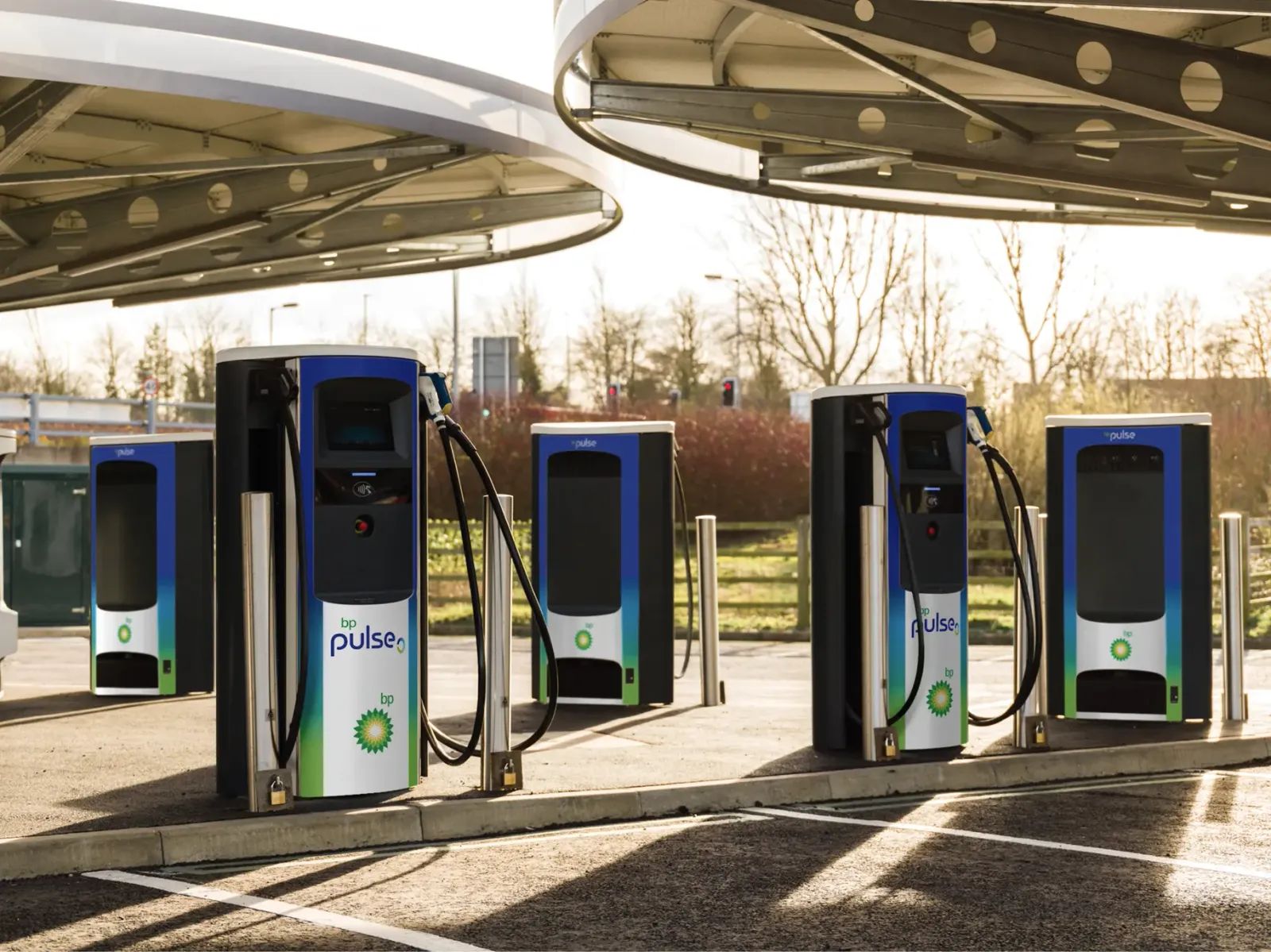
EV repair bills can reach five figures before most garages have finished the assessment. Whether repair is worth it comes down to a handful of specific factors and getting them wrong is expensive.
If your electric car has been written off, crashed, or flagged with a fault the insurer will not cover, this guide walks through how to make the right call.
When repair might be worth it
If the damage is cosmetic and a qualified technician has confirmed the battery system is unaffected, repair can make financial sense. A dented panel, bumper damage, or a few replaceable body parts may look serious but do not automatically mean the car has lost significant value.
The key word is confirmed. Do not assume the battery is fine because the car still starts or shows a full charge. EV battery assessments require specialist diagnostic equipment, and a fault that is not immediately visible can dramatically affect what the car is worth.
That said, if the assessment comes back clean and the repair estimate is well within the car's current value, fixing it is often the right move. A repaired Cat N car with a clear service history and documented repair invoices can still sell well and retain strong resale value.
Where repair stops making sense is the moment battery components, the charging system, or high-voltage wiring are involved. At that point costs rise quickly and often unpredictably. Owners of damaged EVs are regularly quoted between £6,000 and £15,000 for battery-related repairs on vehicles worth similar or less. In those cases, selling is almost always the better option.
When selling makes more sense
If the repair estimate is high relative to what the car is worth, selling to a specialist buyer will typically recover more money than paying for a repair and then selling.
The insurance write-off category matters here. Cat S and Cat N vehicles can be repaired and returned to the road, and there is genuine demand for both among trade buyers who understand what they are looking at. Cat A and Cat B vehicles cannot go back on the road, but Cat B in particular still has parts value, and the right buyer will reflect that in their offer.
Selling a damaged EV through the wrong channel is where most people leave money on the table. Standard car buying platforms are not set up for written-off or non-running vehicles. The valuations come back low, the process stalls, and sellers end up accepting scrap price for a car that is worth considerably more to the right buyer.
There is a market of specialist trade buyers — dealers, bodyshops, salvage specialists, and rebuilders — who actively seek damaged EVs. They understand battery condition, they know what repairable salvage is worth, and they move quickly. The challenge for private sellers is accessing that market directly.
What buyers look at
Trade buyers assessing a damaged electric car will want to understand:
Battery condition. Has it been professionally assessed? Is there a diagnostic report? Any fault codes? This is the single biggest factor in value.
The type and extent of damage. Cosmetic versus structural versus electrical. Clear photos from multiple angles, taken honestly, make a significant difference to the offers you receive.
The insurance category.Cat S, Cat N, Cat B — buyers need to know this upfront. If your insurer has already categorised the vehicle, include that documentation.
Age, mileage, and model. Newer EVs from mainstream manufacturers hold more parts and salvage value. A 2021 Tesla Model 3 or a Volkswagen ID.4 with repairable damage will attract more serious interest than an older or more obscure model.
Service history and paperwork. Any documentation you have — service records, previous MOTs, original purchase invoice — helps buyers assess the car accurately and gives them confidence to make a stronger offer.
Good photos, honest condition details, and any available documentation are the three things that consistently result in better offers and faster sales.
How Second Gears works for damaged EV sellers
Second Gears is a UK marketplace that connects private sellers of crashed, written-off, Cat S, Cat N, and non-runner vehicles directly with verified trade buyers.
Listing is free. There are no auction fees, no commissions, and no middlemen taking a cut. You list the car with photos and condition details, and verified trade buyers — dealers, bodyshops, and salvage specialists — contact you directly.
It is built specifically for vehicles that do not belong on standard car marketplaces. That means your damaged EV reaches buyers who understand what it is worth, rather than being filtered out or undervalued by platforms that only handle clean cars.
If your EV has been written off, crashed, or is a non-runner, list it free on Second Gears and get it in front of the right buyers.
The bottom line
A damaged electric car is not automatically a worthless one.
If the battery system has been assessed and cleared and the repair costs are proportionate, fixing the car is often the right call. If costs are high, the category is serious, or the repair is uncertain, selling to a specialist trade buyer will almost always return more than settling for scrap value.
Before you accept the first offer or call the scrap merchant, find out what your EV is actually worth to the right buyer.
Related reading:
Related Articles
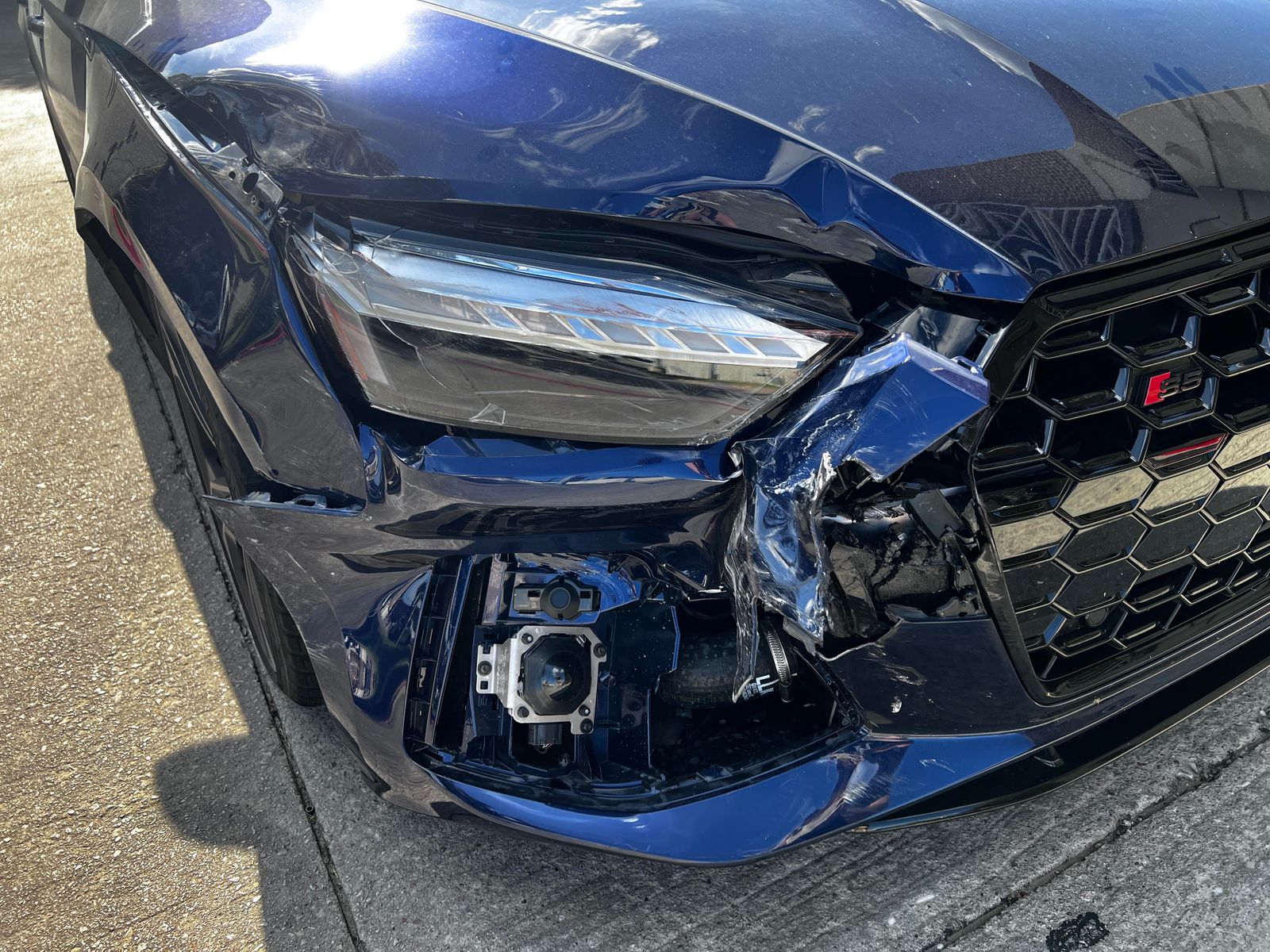
My Insurance Company has Written-Off my Car but I Disagree — What Can I Do?
Finding out your car has been written off is frustrating enough. Finding out and believing the decision is wrong is something else entirely.Whether yo...
Scrap vs Sell: What Gets You More for Your Damaged Car
If your car has been damaged, written off, or just will not start anymore, you are probably weighing up the same question most owners face: is it bett...
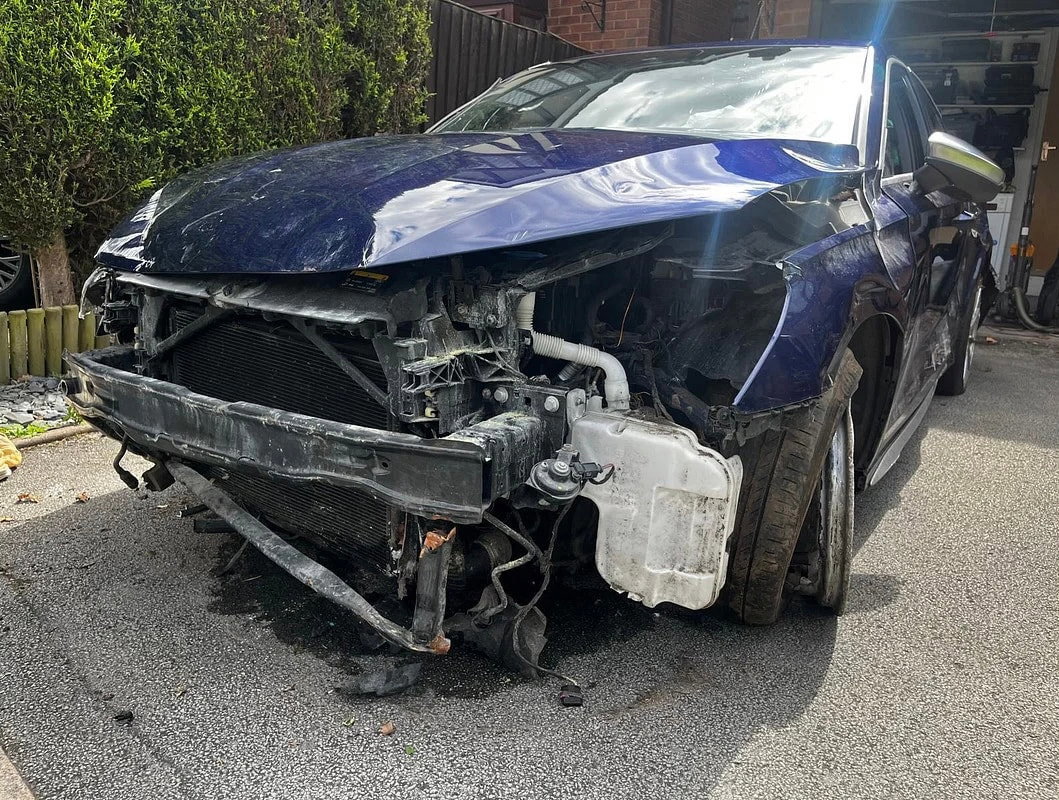
Insurance Buy-Back, Explained in Two Minutes (and the £2,600 Decision)
Insurance Buy-Back, Explained in Two Minutes (and the £2,600 Decision)You've had a crash. Your insurer has written the car off and offered a settlemen...