
My Insurance Company has Written-Off my Car but I Disagree — What Can I Do?
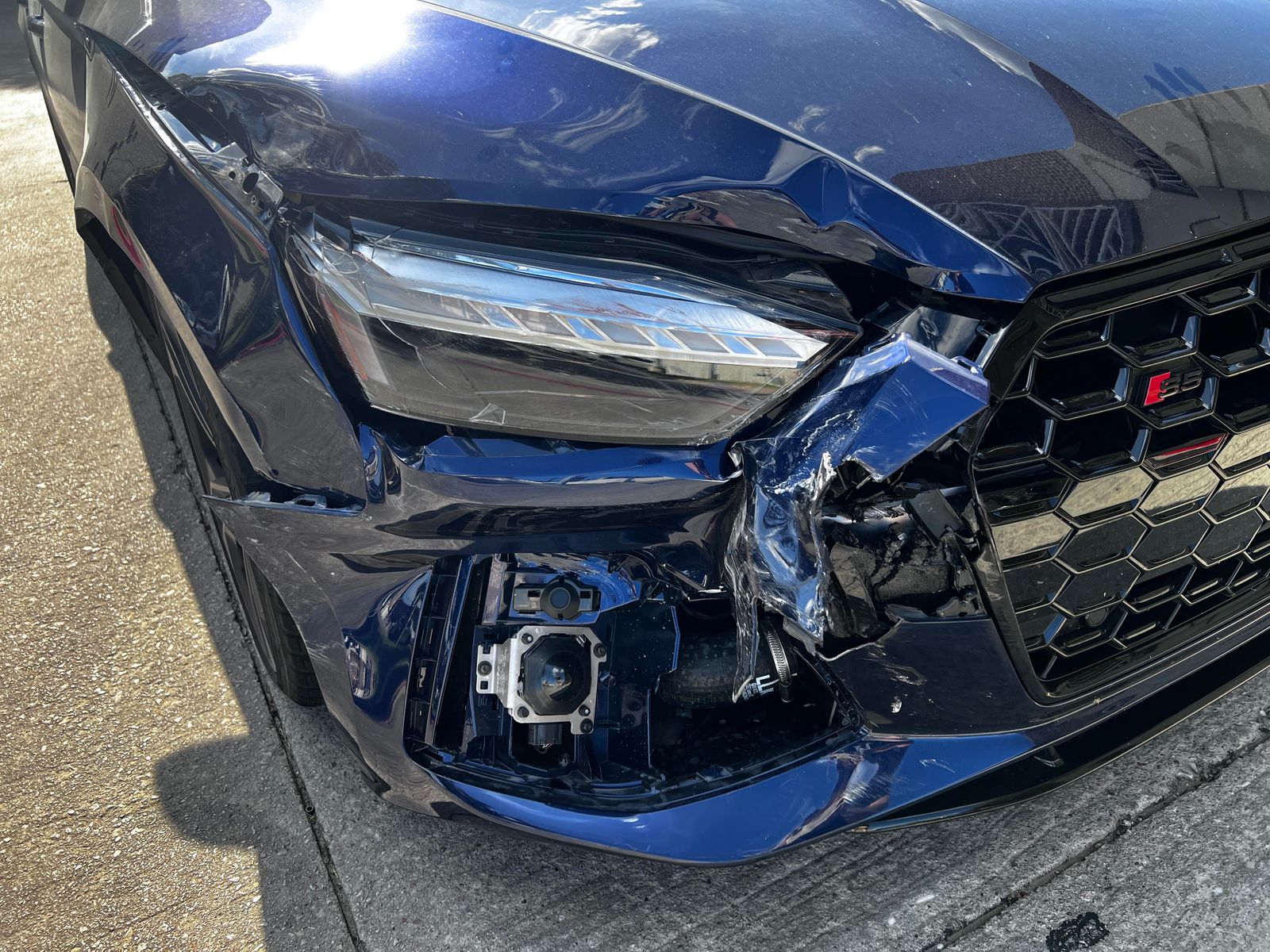
Finding out your car has been written off is frustrating enough. Finding out and believing the decision is wrong is something else entirely.
Whether you think your car could have been repaired for less than the insurer claims, that the settlement figure does not reflect what the car was actually worth, or that the whole process has been handled unfairly, you have more options than most drivers realise. The write-off decision is not always final, the settlement figure is not fixed, and there are clear, established routes for challenging both.
This guide explains exactly what you can challenge, how to do it, and what to expect at each stage.
Understanding what you are actually disagreeing with
Before taking any action, it helps to be clear on what specifically you are disputing. There are two separate things drivers typically disagree with after a write-off decision, and they require different approaches.
The first is the write-off decision itself — the insurer's conclusion that repairing the car is not economically worthwhile. The second is the settlement figure — the amount the insurer has offered as compensation for the loss of the vehicle.
Both can be challenged, but the settlement figure is far more commonly disputed and far more often successfully resolved. Challenging the write-off decision itself is harder, because insurers have significant discretion in their total loss assessments and are rarely compelled to repair a vehicle they have assessed as uneconomical.
Understanding which issue you are dealing with means you focus your energy in the right direction from the start.
Why insurers write off cars that seem repairable
Before challenging anything, it is worth understanding how insurers reach a write-off decision — because the logic is not always intuitive.
A write-off is triggered when the cost of repair, plus associated claim costs such as the hire car provided while repairs are carried out, approaches or exceeds the vehicle's pre-accident market value. That threshold is not always 100 per cent of the car's value. Some insurers use a lower threshold, and the additional costs beyond the repair estimate itself can tip a borderline case into total loss territory.
Modern cars also carry increasingly expensive components. Sensors, cameras, radar units, structural panels and safety system electronics all cost significantly more to replace at main dealer labour rates than they did ten years ago. A car that looks lightly damaged can generate a repair estimate that surprises everyone — including the owner.
None of this means the decision was right or that you have to accept it. But understanding the logic behind it means you know exactly what you are arguing against.
Challenging the settlement figure
The settlement figure is the most common point of dispute and the one most likely to result in an upward revision if you push back with the right evidence.
Insurers calculate settlement based on the market value of your car immediately before the accident. They use valuation guides and their own internal data to reach that figure, and those sources do not always reflect what your specific car was actually worth on the open market — particularly if it was exceptionally well maintained, had a full service history, recent new tyres or other condition factors that make it worth more than an average example.
The Financial Ombudsman Service has confirmed in multiple published decisions that insurers should take comparable market evidence seriously when reviewing disputed valuations. That means your evidence needs to be comparable — same make, model, year, mileage and specification, currently for sale on the open market.
To build your case, do the following. Search Auto Trader, Motors.co.uk and eBay Motors for cars that match yours as closely as possible. Screenshot the listings and note the asking prices. Check cap hpi or a similar independent valuation tool for a guide value. Then compile any documentation that evidences the condition of your specific car before the accident: service history, receipts for recent work, MOT certificates, photos taken before the incident.
Contact your insurer in writing — not just by phone — and present this evidence clearly. State that you believe the settlement figure does not reflect your car's actual market value and provide the comparable listings and condition evidence to support your position. Most insurers will review the figure when presented with credible evidence, and many will move it.
Challenging the write-off decision itself
If you believe the car should have been repaired rather than written off, your first step is to obtain an independent repair estimate.
Contact a reputable bodyshop or repair specialist independently — not through the insurer's approved network — and ask for a written estimate to bring the car back to its pre-accident condition. If that estimate is meaningfully lower than what the insurer is claiming the repair would cost, you have a concrete basis to challenge the total loss assessment.
Present the independent estimate to your insurer in writing alongside a formal request to review the write-off decision. Ask them to provide their full repair cost assessment including all line items, so you can identify specifically where the figures differ and respond to each point.
Be aware that insurers are not legally obliged to repair a vehicle they have assessed as a total loss, even if an independent estimate suggests repair is viable. However, presenting a credible lower estimate often results in one of two outcomes: the insurer agrees to repair, or the settlement figure is revised upward to reflect the fact that the car had more value than the original assessment suggested.
What to do if the insurer refuses to move
If your insurer reviews the evidence and maintains their original position, the next step is the formal complaints process.
Raise a formal complaint with the insurer directly. Under FCA rules, they must acknowledge your complaint within five business days and provide a final response within eight weeks. The final response will either resolve the complaint or explain why they are maintaining their position.
If you are not satisfied with the final response, or if eight weeks pass without resolution, you can escalate to the Financial Ombudsman Service. This costs you nothing. The Ombudsman is an independent body with the authority to direct insurers to revise settlement figures and to make findings on how claims were handled. They look at comparable market evidence, the car's condition, the insurer's valuation methodology, and whether the overall handling of the claim was fair.
In cases where the insurer's valuation is found to be below the supported market evidence, the Ombudsman can direct the insurer to pay up to the highest guide value supported by the evidence. That can represent a meaningful uplift on the original offer.
Your right to keep the car regardless of the dispute
Whether or not you are disputing the settlement figure or write-off decision, you have the right to buy back your car after a write-off. You do not have to hand it over while the dispute is ongoing.
Tell your insurer you want to retain the vehicle before accepting any settlement. They will deduct the salvage value from your payout and return the car to you. The dispute over the settlement figure can continue separately, and any upward revision agreed during that process would be paid in addition to the initial net amount you received.
Retaining the car means you stay in control of what happens to it. Rather than the vehicle disappearing into a salvage auction while you wait for a dispute to resolve, you keep it and can decide at any point whether to repair it, sell it privately through a specialist platform, or hold it until the settlement is agreed.
For Cat S and Cat N vehicles in particular, selling directly to the right buyer through a platform like Second Gears almost always returns more than the net settlement after salvage deduction. The car goes to the same pool of trade buyers it would have gone to through the auction system — but without the auction fees taken from both sides, and at a price you negotiate rather than one set by a hammer.
What not to do when disputing a write-off
A few things that seem helpful but tend to make the process slower or weaker.
Do not accept the settlement while you are still disputing it. Once you accept, the claim is settled and it becomes significantly harder to reopen. Wait until you are satisfied with the figure before accepting.
Do not rely on verbal conversations as your evidence. Everything should be in writing — your requests, the evidence you provide, and the insurer's responses. A paper trail protects you through the complaints process and at the Ombudsman if it comes to that.
Do not use comparable cars in worse condition or with higher mileage than your car as evidence. The Ombudsman looks at genuine comparisons. Cherry-picking the most expensive listings regardless of condition match will undermine rather than strengthen your case.
Do not assume the Ombudsman will always find in your favour. The process is independent and findings go both ways. Present accurate, well-evidenced information and let the Ombudsman make a fair assessment.
How Second Gears helps when you retain the car
If you decide to retain your write-off while the dispute continues or once it has been resolved, the question becomes how to get the most from selling it.
Second Gears is built specifically for Cat S and Cat N vehicles and accident-damaged cars, connecting private sellers directly with verified trade buyers who already understand write-off categories, repair costs and salvage values. Listing is free, there are no auction fees or commissions, and you deal directly with the buyers making offers.
For a seller who has retained their car after a disputed write-off, Second Gears gives you access to the same buyers the insurer's salvage auction would have reached — without the auction taking a cut from your proceeds. That difference, combined with the ability to negotiate directly, consistently results in a better return than handing the car to the salvage system.
List your retained write-off free on Second Gears and find out what the right buyer will pay.
Common questions
Can I stop the insurer from scrapping my car while I dispute the settlement?
Yes. The Financial Ombudsman has confirmed that insurers should not arrange to scrap a vehicle without telling the owner first. If you have told your insurer you are disputing the settlement or wish to retain the car, they should not dispose of it without your agreement. If they do so without your consent, that is itself a complaint ground.
How long does the Financial Ombudsman process take?
The Ombudsman aims to resolve straightforward cases within three to six months. More complex cases can take longer. In the meantime, you can continue to use your retained vehicle if it is roadworthy and insured, or hold it while the process runs.
Will disputing the settlement affect my no claims bonus?
Your no claims bonus is affected by claims, not by disputes about settlement figures. If the claim involves an at-fault accident, your NCB may be affected regardless of whether you dispute the settlement amount. Disputing the valuation itself does not create an additional NCB impact.
Can I get an independent engineer to assess my car?
Yes. An independent engineer's report can be useful evidence, particularly when disputing the write-off decision on the basis that the car was repairable. Some engineers specialise in insurance dispute assessments and their reports carry weight in Ombudsman proceedings.
What if my insurer has already disposed of the car?
If the insurer disposed of your car without your agreement or before the dispute was resolved, that is a serious complaint ground in its own right. Raise a formal complaint immediately and escalate to the Ombudsman if required. The Ombudsman can direct compensation where a car has been disposed of incorrectly.
The bottom line
Disagreeing with your insurer's write-off decision is not the end of the road. The settlement figure can be challenged with comparable market evidence, the write-off decision itself can be contested with an independent repair estimate, and the formal complaints route through to the Financial Ombudsman exists specifically for situations where insurers and claimants cannot agree.
The key is to act in writing, present credible evidence, and understand which aspect of the decision you are disputing before you start. Most drivers who push back with proper evidence get more than the opening offer. Most drivers who accept without questioning leave money on the table.
Know your rights, use them, and keep control of your car until the process is finished.
Related reading:
Related Articles
Are Salvage Cars Safe to Drive?
Yes, a salvage car can be a safe and smart choice, when you buy carefully and know what to look for.If a car has been repaired properly and the work i...
Are Older Damaged Cars Worth More in 2026? Britain’s Ageing Car Boom Explained
If you own an older damaged car, there is a good chance you are undervaluing it.For years, the assumption was simple: once a car hit 10 years old, any...

What to Look for When Buying a Used Car in the UK
Get it right and you drive away with a solid vehicle at a fair price. Get it wrong and you inherit someone else's problems at your own expense. The ch...