
How Insurers Calculate a Write-off: A Guide for UK Car Owners
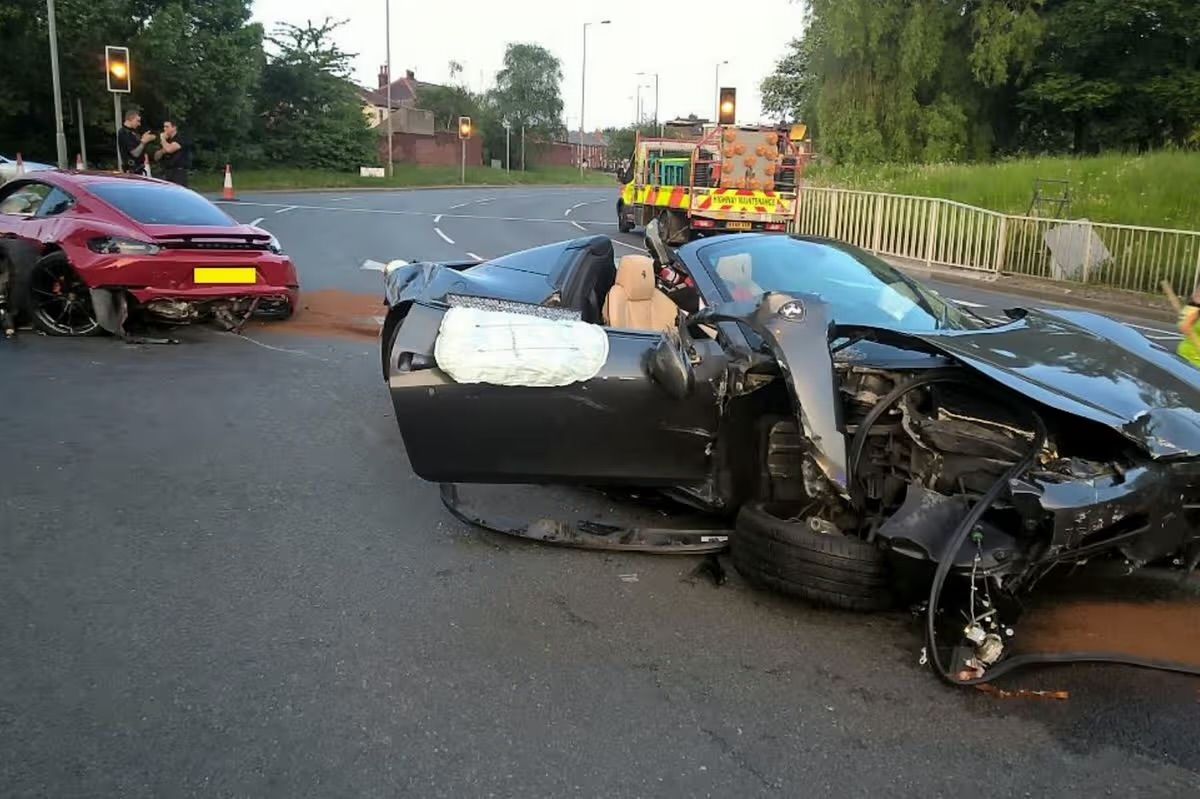
Hearing that your car has been written off can feel maddening, especially when it still looks fixable. But insurers are not only asking, "Can this be repaired?" They are asking, "Does repairing it make financial sense compared with settling the claim another way?"
In UK motor insurance, a write-off — also called a total loss — usually happens because repairing the vehicle is not economically worthwhile, or because the car has been stolen and never recovered. In most cases, the payout is based on what the car was worth in the market immediately before the damage or theft occurred.
Understanding how that calculation works means you know what to expect, what to challenge, and what your options are once the decision has been made.
First, they work out what your car was worth before the accident
The starting point is market value. The Financial Ombudsman says that means the amount the vehicle would have been worth just before it was damaged or stolen. When disputes arise, it looks at specialist motor valuation guides alongside any other available evidence, such as comparable adverts or expert opinions.
In one ombudsman decision, market value was described as the cost of replacing the vehicle with one of the same make, model, specification, age, mileage and condition.
That matters because many drivers mentally price their car based on what they originally paid, what they still owe on finance, or what it would cost to buy their ideal replacement. Insurers do not work from those numbers. They work from evidence of what a similar car was actually worth in the open market right before the claim.
Then they compare that value with the real cost of settling the claim
This is the part most people miss — and where a lot of the frustration comes from.
A write-off is not always about a car being impossible to repair. The ABI says a vehicle can become an economic total loss when the overall cost of repair is pushed up by associated claim costs, such as a courtesy car provided while repairs are carried out.
The Financial Ombudsman also says the decision normally turns on the relationship between three numbers: the repair cost, the car's market value, and the amount the insurer could still recover from the damaged vehicle as salvage.
As a general rule, if repairing the car costs more than the gap between its market value and its salvage value, writing it off will usually cost the insurer less than paying for the repair. So a car can be perfectly repairable in a practical sense and still be written off in an insurance sense. That is why a vehicle with damage that looks minor can still end up classed as a total loss.
After that, they assign a write-off category
Under the ABI's current code, UK insurers use four categories: A, B, S and N.
Cat S means the vehicle has structural damage but can be repaired and returned to the road. Cat N means the damage is non-structural — but that does not mean it is always minor. It can still cover electrical faults, suspension damage, or safety system issues. Categories A and B sit at the serious end; GOV.UK says Cat A or B vehicles cannot be registered again and must not return to the road.
If you want to keep the car after a write-off, the rules differ by category. For Cat S, you need to send the full V5C to the insurer and apply for a free duplicate log book using form V62. For Cat N, you can keep the log book. Cat A and Cat B vehicles cannot legally be kept as road cars.
What to do if you think the insurer got it wrong
Do not just say "my car is worth more." Ask for the full valuation breakdown in writing.
The Financial Ombudsman says it looks at valuation guides, comparable adverts, expert evidence, the car's condition, and any pre-existing damage or previous write-off history when it reviews disputes. If it finds a valuation unfair, it can direct the insurer to move the figure up to the highest supported guide value or to a figure backed by stronger evidence.
It also says insurers should not arrange to scrap a vehicle without telling the owner first. And if you choose to keep the salvage, the insurer can deduct what it would have received from selling it — so it is worth understanding that figure before agreeing to anything.
What to do next if your car has been written off
Once a write-off is confirmed and the settlement is agreed, many owners assume the only options are to hand the car back to the insurer or accept a disposal route they have been offered. That is not always the case.
If you buy back your car after a write-off, or if you were already the registered keeper of a Cat S or Cat N vehicle, you can sell it directly rather than going through an insurer's salvage partner. Selling privately to the right buyer — rather than through an auction or a trade disposal route — often means getting more for the vehicle.
Second Gears is a UK marketplace built specifically for crash-damaged, written-off, Cat S and Cat N vehicles. Listing is free, there are no auction fees or commissions, and verified trade buyers — dealers, bodyshops and salvage specialists — contact you directly.
If your car has been written off and you want to understand what it could actually be worth, list it free on Second Gearsand find out.
The bottom line
A write-off is not a verdict. It is a calculation — and once you understand how it works, you are in a much better position to assess whether the insurer's offer is fair and what your realistic options are.
Insurers weigh up market value, repair cost, associated claim costs, salvage value and the correct damage category. Each of those numbers can be questioned, evidenced and — where necessary — challenged through the Financial Ombudsman.
And if your car ends up as a Cat S or Cat N write-off, you have more control over what happens to it than most people realise.
Related reading:
Related Articles
SORN Explained, and Yes, You Can Sell a SORN Car
SORN Explained, and Yes, You Can Sell a SORN CarSORN, the Statutory Off Road Notification, is one of those DVLA terms that generates endless confusion...
Non-Fault Accident Replacement Car: Your Rights
The Replacement Car You're Actually Entitled To After a Non-Fault AccidentMost drivers think the best they can hope for while their car is repaired is...
How Long Does It Take to Sell a Damaged Car? Honest Timelines
How Long Does It Take to Sell a Damaged Car? Honest Timelines"How fast will it sell?" is the second question every damaged car seller asks, right afte...