
Should I Accept the Insurance Write-Off Offer? UK
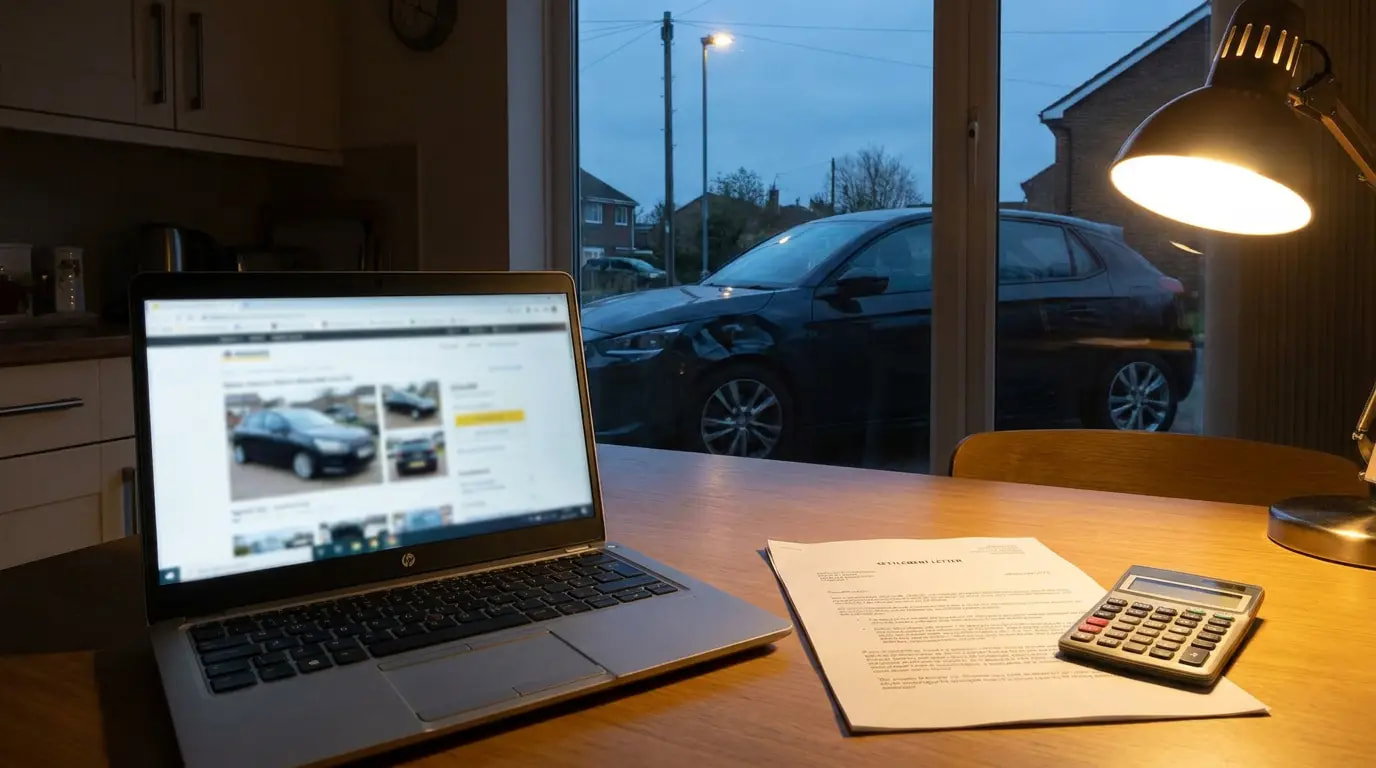
Should You Accept the Write-Off Offer? Read This Before You Sign
The settlement lands and it feels light. It often is. The first write-off offer is an opening position built from trade valuation data, and insurers know a proportion of drivers will challenge it with evidence of what their specific car was worth. The ones who do regularly get more; the ones who sign in week one fund the difference.
Here's how to judge the offer, push back if it's short, and the second question to raise before any signature.
How the figure is built
The offer is based on your car's pre-accident value: what it would have fetched on the open market the day before the crash. Insurers derive it from trade guides and comparable sales data, adjusted for mileage and condition. The method is reasonable; the output is an average, and averages undershoot cars that were better than average. Full service history, recent major work, a new set of tyres, low ownership count, high-spec trim: none of it is in the guide price unless you put it there.
Testing the offer in an evening
Search the actual market for your car: same model, engine, trim, similar mileage and age, and note the asking prices of real examples for sale today. Screenshot them. Then gather your car's own case: the service history, recent invoices (a cambelt or clutch done months ago is real money), MOT history showing clean passes, and the spec list. If the live market sits meaningfully above the offer, you have a challenge, and it's a routine one insurers process every day. Submit the evidence in writing and ask for the valuation to be reviewed.
Two things that aren't evidence: what you paid for it, and what it's worth to you. Keep the challenge to market data and the car's documented condition, and it gets taken seriously.
The question to ask before accepting anything
Whatever figure you settle on, ask about retaining the vehicle before you sign. The insurer deducts a salvage figure from the settlement and the car stays yours to sell. That deduction is priced at the bottom of the salvage chain, and the direct market routinely pays more: one recent seller retained their written-off BMW X3, listed it on Second Gears, and had it paid for and collected within 24 hours at £2,600 more than the salvage deduction. The full buy-back explainer covers the mechanics.
Retention is a settlement-time decision. Asking costs nothing, and it keeps both doors open while you weigh the numbers.
When to just take the offer
If the figure matches the live market, the challenge has no legs and dragging it out costs you weeks for nothing. Fair offers exist; the point is checking rather than assuming, in either direction. And if the accident wasn't your fault, the settlement conversation can be run against the at-fault insurer entirely, which is what Second Gears Accident Carehandles.
Settled and retained? Finish strong
The settlement is half the money; the car is the rest. List your retained write-off free on Second Gears and verified UK trade buyers make direct offers and collect. No auction fees, no middlemen, and the margin stays with you. Our guides on what your written-off car is worth and the full write-off process cov
Related Articles
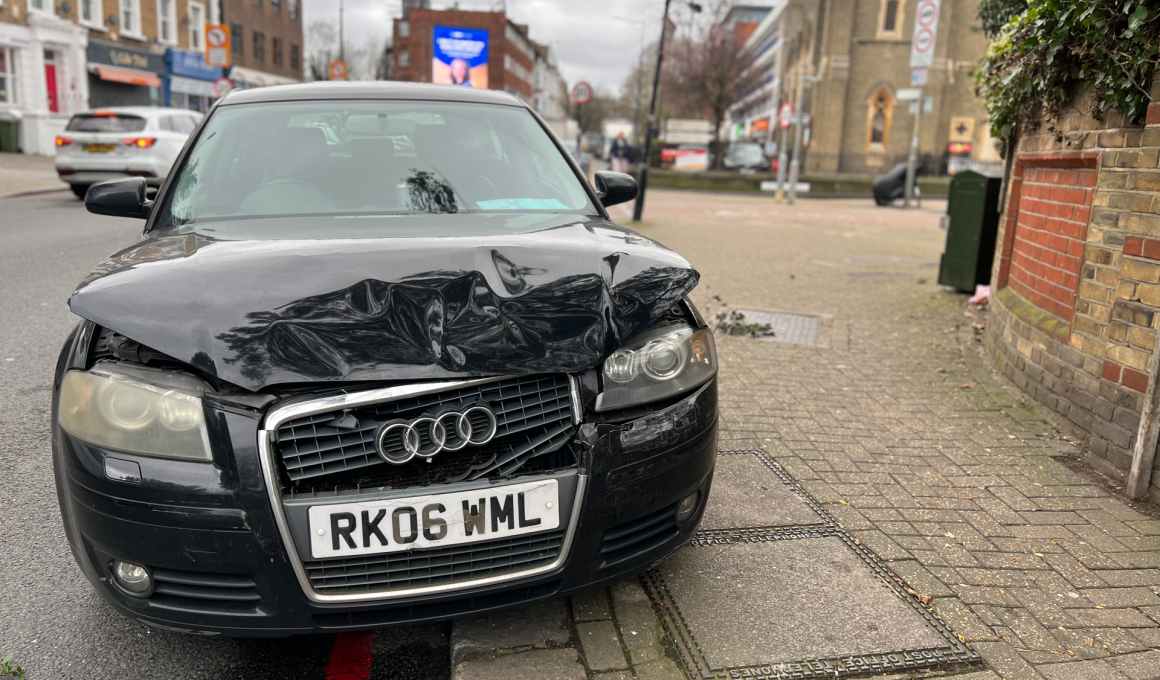
Buying Back your Insurance Write-Off? Here’s how to Sell it for More in the UK
If you have ever had a car written off, you will know how frustrating it feels. One day it is your daily driver; the next it is being pushed into the...

Can I Keep My Car After a Write-Off? Everything UK Drivers Need to Know
Yes. You can keep your car after a write-off. Most drivers have no idea this is even an option, and that is exactly what insurers are counting on. It...
Selling a Loved One's Car: A Straightforward Guide for a Difficult Time
Selling a Loved One's Car: A Straightforward Guide for a Difficult TimeSorting out a car is one of those practical tasks that arrives in the middle of...