
Can I Keep My Car After a Write-Off? Everything UK Drivers Need to Know
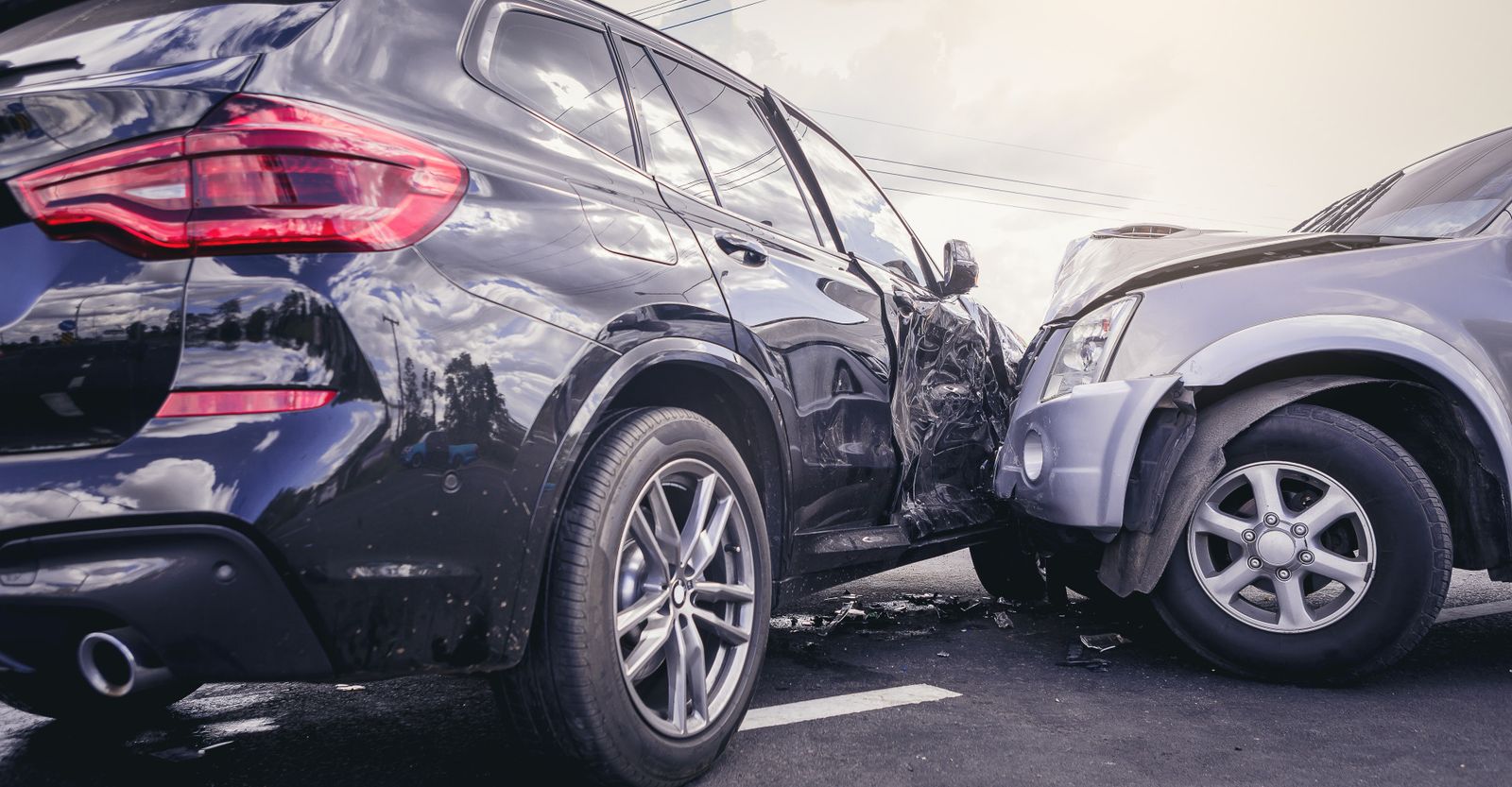
Yes. You can keep your car after a write-off. Most drivers have no idea this is even an option, and that is exactly what insurers are counting on. It is one of the most important decisions you will make after a write-off, and getting it right at the right moment can make a real difference to what you end up with.
This guide walks through how it works, what the process looks like, and how to figure out whether keeping the car is actually worth it for your situation.
What actually happens when your car is written off
When your insurer calls to say your car is a total loss, they have done a calculation: fixing it would cost more than just paying you out and selling the car themselves.
Their default process is set up to move quickly. They make you an offer, you accept it, they take the car, sell it through their salvage contacts, and the file gets closed. Done and dusted.
The bit they tend not to spell out is that you do not have to play along with that process. You have a legal right to keep the car. You just need to say so before you accept the settlement.
How to tell your insurer you want to keep it
Timing is everything here. Once you accept the settlement offer, the claim is effectively closed and changing your mind becomes a much harder conversation. So if you are thinking about keeping the car, say so before you agree to anything.
Tell your insurer clearly that you want to retain the vehicle. They will then work out the salvage value, which is what they would have got for the car through their own channels, and subtract that from your payout. What is left is yours, and the car stays with you.
Before you agree to that arrangement, ask them to confirm the salvage deduction figure in writing. That number is important because it tells you exactly what keeping the car costs you in terms of reduced payout, and you can weigh that against what you might realistically make selling it yourself.
What happens to the paperwork
This part depends on what category your car has been written off as.
Cat N means the damage was non-structural. You get to keep the original V5C log book. The DVLA puts the Cat N marker on the vehicle record and the car can go back on the road once it has been properly repaired.
Cat S means there was structural damage involved. In this case, you have to send the full V5C to the insurer. You then apply for a replacement log book using form V62, which is free through the DVLA. The Cat S marker goes on the new log book and, again, the car can return to the road after a proper repair.
One thing that does not change either way: the write-off marker is there for good. It stays on the car's history no matter how well it gets fixed, and any buyer who does a history check will see it. That is worth being realistic about when it comes to resale further down the line.
Why keeping it can make a lot more financial sense
Here is what most people do not realise about how the salvage world works.
When you hand your car back to the insurer, it goes straight into a salvage auction. A dealer or rebuilder picks it up, fixes it or breaks it for parts, and makes a profit on the deal. The auction house takes a cut from both the seller and the buyer throughout that process.
When you retain the car, you cut all of that out. You go directly to the same pool of specialist buyers without anyone else taking a slice. You set the price. You negotiate. And because those buyers are not paying auction fees on top of what they pay for the car, they can actually afford to offer you more.
Selling a retained write-off directly to the right buyer consistently beats the net settlement figure you would get after the salvage deduction. The gap is not always massive, but it is real, and it is money that would otherwise disappear into the auction system.
When it does not make sense to keep it
To be straight about it: retention is not always the right call.
Cat A and Cat B cars are a different matter entirely. Cat A has to be crushed. Cat B has to have the shell destroyed, even if some parts can be salvaged. There is very little practical reason for a private owner to retain either of these.
If the car is genuinely old, high-mileage and badly damaged, the numbers might just not stack up. The salvage deduction could be bigger than what you would realistically make selling it on, in which case you are better off taking the cleaner payout and moving on.
And sometimes life just calls for a quick resolution. If the settlement offer is fair and you need to get on with things, there is nothing wrong with accepting it. The important thing is that you are making a deliberate choice rather than sleepwalking into handing the car over because nobody told you there was another way.
What if your car still drives after the write-off?
This one catches a lot of people off guard. A surprisingly large number of write-offs, particularly Cat N ones, are still perfectly driveable. The insurer has written the car off because of the cost of repair, not because it cannot move.
If your car still starts and drives, retaining it is often an even stronger position to be in. A driveable write-off is easier to sell, attracts more interest and generally commands better offers than a car that has to be trailered away.
When it comes to listing, just be upfront that it still drives. That single detail makes a real difference to the kind of offers you will see coming in.
What are your options once you have kept it
Once the car is legally yours after retention, you broadly have three paths.
Fix it and carry on using it. If the damage is clear-cut and the repair cost makes sense against what the car is worth, getting it sorted and back on the road can be the right move. Just make sure you get an independent estimate rather than relying on the insurer's figures.
Fix it and sell it. A well-repaired category car with a proper paper trail behind it can still sell for a solid price. The write-off marker does not go away, but solid repair documentation goes a long way toward reassuring buyers and holding the price up.
Sell it as it is. For a lot of people this is the most straightforward route. Specialist buyers, rebuilders, parts traders and dealers actively look for damaged and written-off cars. They know how to price them, they move quickly, and selling directly to them without going through an auction or taking a single low trade offer is almost always the better financial outcome.
How Second Gears works for retained write-offs
Second Gears is set up exactly for this. It is a marketplace built specifically for crash-damaged, written-off and category cars, connecting private sellers directly with verified trade buyers who understand this market inside out.
Listing is free. There are no fees, no commission and no middlemen involved. You put the car up with photos and honest condition details, buyers reach out directly, and you are in control of what happens next.
For anyone who has held onto their write-off and wants to get the best return on it, this is the most direct route to the people most likely to pay a fair price.
List your retained write-off free on Second Gears and find out what the right buyer will actually pay for it.
Common questions
Can I keep any written-off car?
Cat N and Cat S vehicles can be retained and returned to the road after proper repair. Cat A and Cat B are different: Cat A must be crushed entirely, and Cat B's bodyshell must be destroyed, though usable parts can be salvaged from it first.
Will my insurer try to stop me keeping it?
No. The right to retain is legally protected. Insurers will deduct the salvage value from your settlement but they cannot refuse to let you keep the car.
Does keeping the car affect the rest of my claim?
The claim process stays the same. What changes is the settlement amount, which is reduced by the salvage deduction. Get that figure confirmed in writing before agreeing to anything.
Can I get insurance on a retained write-off?
Yes. Cat S and Cat N cars can be insured in the UK, though specialist insurers tend to be the most reliable route. You have to disclose the write-off category when arranging cover.
Do I need to do anything with the DVLA?
Your insurer handles the initial write-off notification. For Cat S you apply for a new V5C using form V62. For Cat N you keep the original. Either way the DVLA records the category on the vehicle history automatically.
The bottom line
You can keep your car after a write-off. Most people do not know that, and most insurers are not going to go out of their way to explain it.
Tell them you want to retain the vehicle before you accept anything, get the salvage deduction figure in writing, and make a deliberate decision based on the actual numbers rather than going along with whatever happens by default.
For most drivers who do their homework, retaining and selling through the right channel ends up being worth more than the default settlement. The opportunity is real. You just have to take it at the right time.
Related reading:
Related Articles
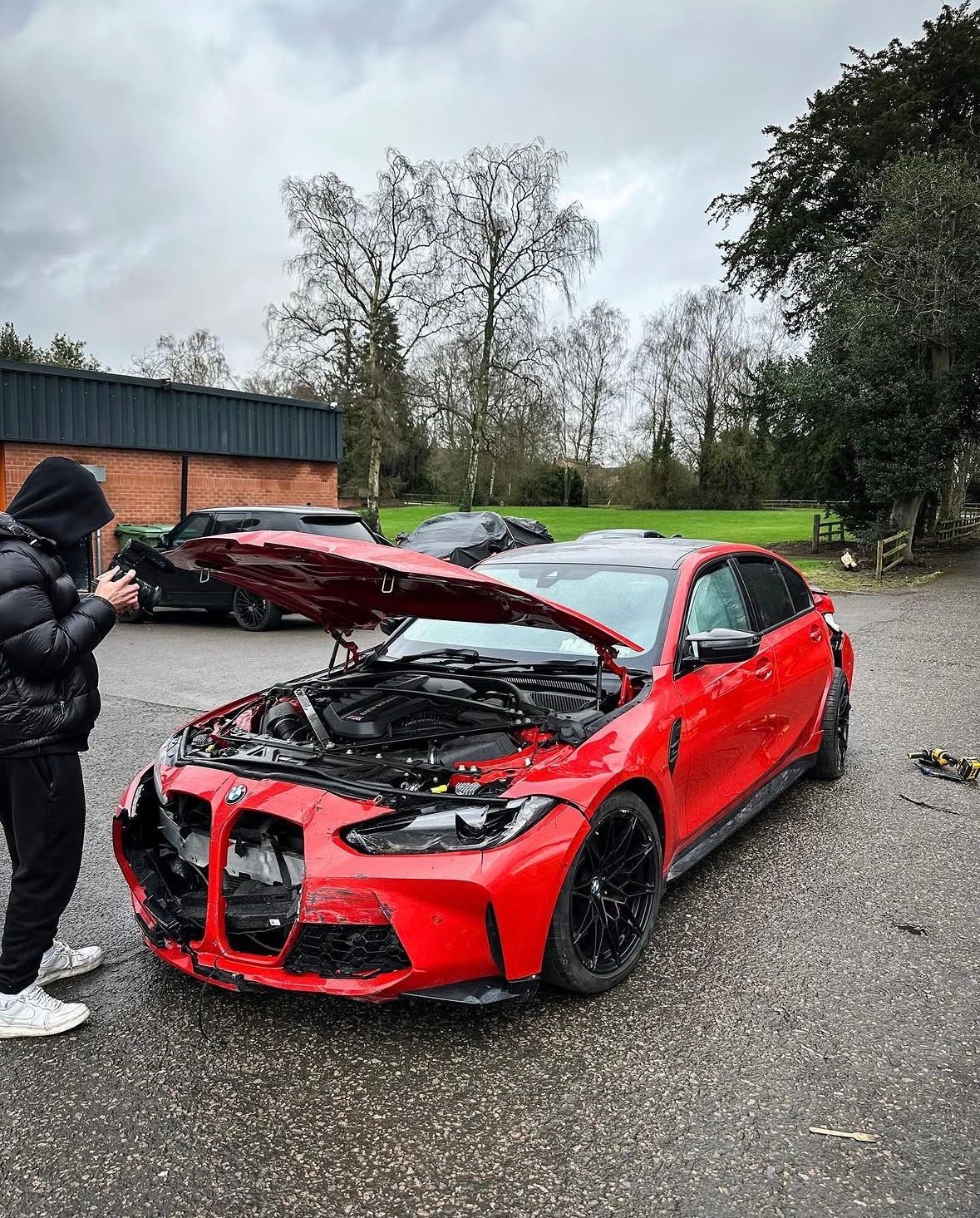
What are Cat S, Cat N, and Cat B Cars? The Complete 2026 UK Guide to Insurance Write-Off Categories
If your car has been written off by an insurer, repaired after an accident, or you're looking at damaged cars for sale, it helps to know exactly what...
How Long Does It Take to Sell a Damaged Car? Honest Timelines
How Long Does It Take to Sell a Damaged Car? Honest Timelines"How fast will it sell?" is the second question every damaged car seller asks, right afte...
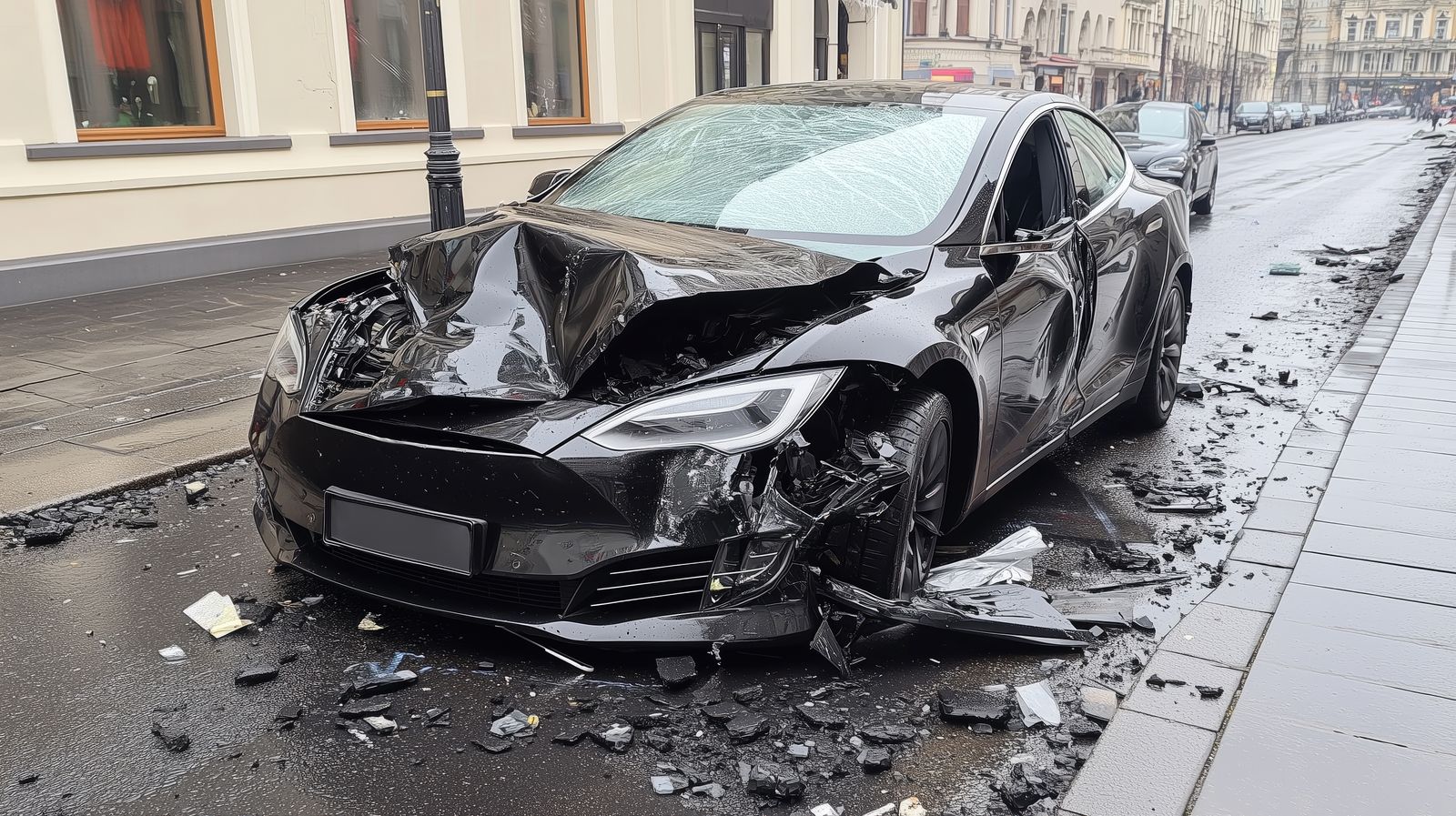
Why Electric Cars are More Likely to be Written-Off — and What EV Owners Should do About it
If you own an electric car and it gets written off after what feels like minor damage, you are not alone — and you are not imagining it.Electric vehic...