
What to Do in the First 24 Hours After a Car Accident in the UK
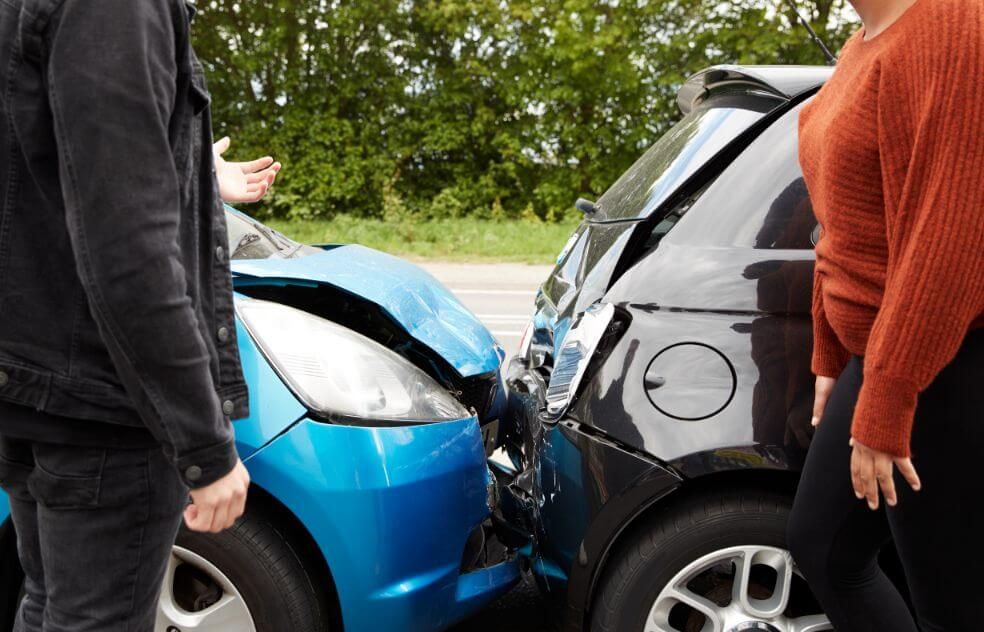
The moments after a car accident are disorienting. Even a minor collision leaves most drivers shaken, unsure what needs to happen and in what order. The decisions you make in the first 24 hours, at the scene, with your insurer, and about what happens to your car, can have a significant effect on the outcome.
This guide walks through exactly what to do, step by step.
Your at-the-scene checklist
The priority is safety first. If the collision is serious, call 999 immediately. If anyone is injured, do not move them unless there is an immediate danger. Move vehicles out of the flow of traffic if it is safe to do so and turn on hazard lights.
Under the Road Traffic Act 1988, you are legally required to stop at the scene of any accident involving injury, damage to another vehicle or property, or injury to an animal. Leaving without stopping is a criminal offence.
Once you are safe, work through the following before leaving:
Exchange details. Get the other driver's name, address, phone number, insurance company and policy number. Give them yours. You are legally required to provide this information if asked.
Photograph everything. Take photos of the damage to all vehicles involved, the position of the vehicles before they are moved, the road conditions, and any relevant signage or road markings. Do this before anything is moved if possible. Photograph the other driver's number plate clearly.
Back up any dashcam footage immediately. If you have a dashcam, save or transfer the footage before it is overwritten. Do not clear the device. Share the footage reference with your insurer when you report — insurers and courts now routinely use dashcam evidence to establish liability.
Note the time, location and conditions. Weather, visibility and road surface all matter if the cause of the accident is ever disputed.
Gather witness details. If anyone saw what happened, ask for their name and contact number. An independent witness is valuable if liability is contested later.
If the police attend, note the officers' names and the incident reference number.
Reporting to your insurer
Contact your insurer as soon as possible after the accident, ideally the same day. Most policies require you to report any accident promptly, even if you do not intend to make a claim and even if the accident was not your fault. Failing to report can affect your cover.
When you call, stick to the facts. Describe what happened clearly and accurately. Have your photos, the other driver's details, your dashcam footage reference and any witness information to hand. Do not speculate about fault and do not exaggerate or downplay the damage.
Your insurer will advise on what happens next, whether they will arrange for the car to be inspected, recovered or repaired, and what your excess position is.
Understanding the write-off decision
If the damage to your car is significant, your insurer may decide it is a total loss — commonly called a write-off. This does not necessarily mean the car is dangerous or beyond repair. It means the insurer has calculated that the cost of repair, plus associated claim costs, exceeds what it would cost to settle the claim and sell the car as salvage.
Modern cars are increasingly likely to be written off after relatively modest damage. Sensors, cameras, radar units and driver assistance systems are expensive to replace at main dealer rates, a cracked bumper on a car with parking sensors and a front-facing camera can generate a repair estimate that tips the insurer into write-off territory.
Your insurer will offer you a settlement based on the car's market value immediately before the accident. If you believe this figure is too low, ask for the full valuation breakdown, gather evidence of comparable cars currently for sale, and if necessary escalate to the Financial Ombudsman, who can direct the insurer to revise the figure if it is found to be unfair.
The write-off categories — what they mean for you
If your car is written off, it will be assigned a category under the ABI Salvage Code. The category determines what can legally happen to the vehicle next.
Cat S means the car has suffered structural damage but can be repaired and returned to the road. Cat S is permanently recorded on the V5C log book.
Cat N means the damage is non-structural — which can still include electrical faults, suspension, brakes or safety systems, but not the main frame. Cat N is also permanently recorded.
Cat B means the bodyshell must be crushed. Parts can be salvaged but the car cannot return to the road.
Cat A means the entire vehicle must be destroyed.
Most accident write-offs are Cat S or Cat N — both of which can be repaired and driven again legally.
Your right to keep the car
Many drivers do not realise they can buy back their car after an insurance write-off. You are not obliged to hand it over.
If you want to keep the vehicle, tell your insurer before accepting the settlement. They will deduct the salvage value from your payout and return the car to you. From that point, it is yours to repair, sell or break for parts.
For Cat S vehicles, you will need to send the complete V5C log book to the insurer and apply for a replacement using form V62 — the DVLA then records the Cat S marker. For Cat N, you keep the existing log book.
Retaining your write-off and selling it directly to the right buyer almost always returns more money than letting it disappear into the insurer's salvage auction, where fees are deducted from both sides and you have no control over the outcome.
Common questions
Do I have to report the accident to my insurer if it was not my fault?
Yes. Most policies require you to report any accident promptly, regardless of fault. Failing to do so can affect your cover or give your insurer grounds to challenge a future claim. Reporting does not automatically mean your premium will rise, that depends on fault and your specific policy terms.
Can I still drive my car after an accident?
Only if it is safe and roadworthy to do so. If the car has sustained structural damage, deployed airbags, or has warning lights showing, do not drive it until it has been inspected. Driving an unsafe vehicle could invalidate your insurance and puts you and other road users at risk.
What if the other driver leaves the scene?
Note the number plate, make and colour of their vehicle and call the police immediately. Report the incident as a hit and run. You will need a police reference number for your insurer. If you have dashcam footage, preserve it, possibly used to trace the other driver.
What if the other driver has no insurance?
Do not let them leave without their details. Report the incident to the police and get a reference number. You can still make a claim through your own insurer or directly through the Motor Insurers' Bureau (MIB), which exists specifically to handle claims involving uninsured or untraced drivers in the UK.
Should I accept the first settlement offer from my insurer?
Not necessarily. Insurers base write-off settlements on market value immediately before the accident. If you believe the figure is too low, gather evidence of comparable cars currently for sale and ask for the full valuation breakdown before accepting. You have the right to challenge the figure.
How Second Gears helps after a write-off
Once you have decided to retain your car, the next question is how to sell it for the best possible return. Standard used-car platforms are not built for write-offs, listings get poor engagement, buyers are put off by the category marker, and sellers end up accepting far less than the car is worth.
Second Gears is a UK marketplace built specifically for crash-damaged, written-off, Cat S and Cat N vehicles. Listing is free. There are no auction fees, no commissions and no middlemen. You list the car with photos and condition details, and verified trade buyers, dealers, rebuilders and salvage specialists who deal in this type of vehicle every day — contact you directly with offers.
These are buyers who understand write-off categories, know how to price repairable damage, and move quickly when they find the right car.
List your written-off car free on Second Gears and find out what it is actually worth to the right buyer.
The bottom line
The 24 hours after a car accident matter more than most people realise. Get the details at the scene, save your dashcam footage, report to your insurer promptly, and understand your rights before accepting any settlement or handing over your car.
If your car is written off, it is not necessarily the end of the road for the vehicle, or your options. You can challenge the valuation, retain the car, and sell it directly to a buyer who sees its real value. That almost always means more money than the default route your insurer will suggest.
Know your options before you make any decision.
Related reading:
Related Articles
SORN Explained, and Yes, You Can Sell a SORN Car
SORN Explained, and Yes, You Can Sell a SORN CarSORN, the Statutory Off Road Notification, is one of those DVLA terms that generates endless confusion...
Why Electric Cars are More Likely to be Written-Off — and What EV Owners Should do About it
If you own an electric car and it gets written off after what feels like minor damage, you are not alone — and you are not imagining it.Electric vehic...
Selling a Car With Hail, Vandalism or Storm Damage: The Best-Kept Secret in Write-Offs
Selling a Car With Hail, Vandalism or Storm Damage: The Best-Kept Secret in Write-OffsCosmetic damage is the strangest corner of the salvage world. A...