
Can you Sell a Car that Failed its MOT? What UK Drivers need to Know in 2026
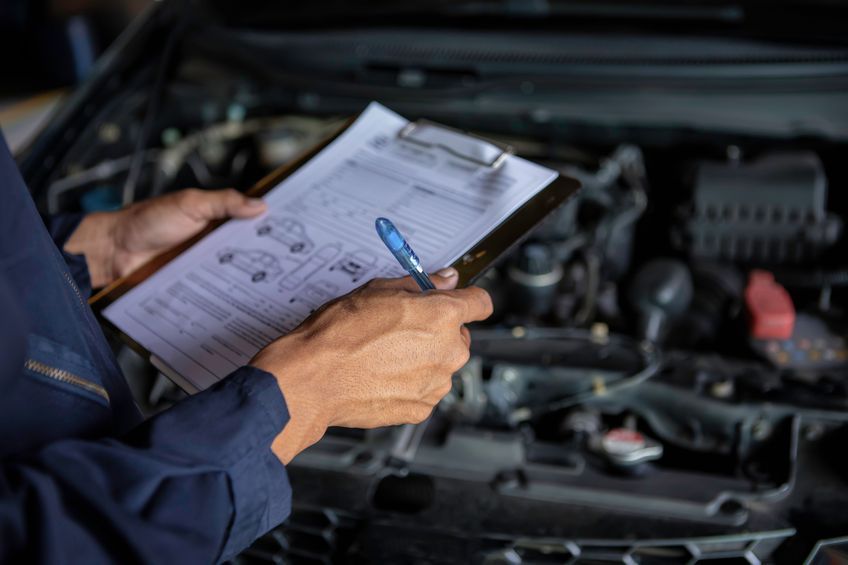
When your car fails its MOT, it can feel like the end of the road. You've got a list of faults, a repair bill to think about, and a decision to make. But a failed MOT does not automatically make a car worthless, and it does not necessarily mean you have to scrap it.
This guide covers what your options actually are, what the law says about selling an MOT-failed car, and how to get a better result than scrap price.
What happens when a car fails its MOT
Latest DVSA data shows that class 3 and 4 vehicles had an overall initial MOT failure rate of 28.08% in 2024–25. In the most recent published quarter (2025–26 Q1), the initial failure rate was 27.24%. The most common failure categories were lamps, reflectors and electrical equipment, followed by suspension, brakes and tyres.
Some faults are relatively cheap to fix. Others can involve major mechanical, structural or safety-related work that makes repair hard to justify on an older car.
The MOT failure sheet will categorise each defect as either a major or dangerous failure. Major failures mean the car must not be driven until repaired. Dangerous failures mean the vehicle poses an immediate risk and must not be driven at all. Both classifications affect how you present the car to buyers — and what buyers will expect to pay.
Repair, keep off-road, or sell
For many owners, the real question is whether the repair cost is worth paying. If the bill is close to the car's likely value after repair, selling as-is may make more sense than fixing it.
If you decide not to repair it straight away and want to keep it off the road, you may need to make a SORN. GOV.UK says you must make a SORN when the vehicle is off the road and you want to stop taxing and insuring it. A SORN vehicle can only be driven on a public road to or from a pre-booked MOT or other testing appointment.
To work out whether selling makes more financial sense than repairing, it helps to understand how to price a damaged or MOT-failed car before committing either way.
Can you legally sell a car that failed its MOT?
In practice, yes — but you need to describe it accurately and handle the sale properly.
DVLA's sale process allows you to transfer a vehicle to a new keeper without requiring a current MOT, but that does not override roadworthiness law. The Road Traffic Act 1988 makes it illegal to sell or supply an unroadworthy vehicle. Trading Standards guidance says that vehicles sold as spares or for repair should be clearly identified as such and should not be driven from the premises.
That means transparency is not optional. If the vehicle has failed its MOT, say so clearly. If it has major or dangerous defects, make that explicit in the advert and any conversations with buyers. If it needs to be collected on a trailer or transported by the buyer, state that upfront before any viewing takes place.
Getting this right protects you legally and builds confidence with the buyers most likely to make a serious offer.
Why MOT-failed cars still attract serious buyers
A failed-MOT car can still be genuinely useful to the right buyer — and that pool of buyers is larger than most owners expect.
Some buyers look specifically for repair projects. Others want complete vehicles for parts. Mechanics, traders and rebuilders regularly source MOT-failed cars where the faults are predictable and the repair cost is within a margin that still makes commercial sense for them. In those cases, the car is worth more than scrap value — sometimes significantly more.
What buyers in this space look at:
The fault list. Predictable, well-understood faults (brakes, suspension components, lights) attract more interest than complex electrical or structural issues.
Make and model. Popular mainstream cars with strong parts networks attract more buyers than obscure or older models with limited aftermarket support.
Mileage and overall condition. A low-mileage car with an MOT fail is more appealing than a high-mileage car with the same fault.
The paperwork. A full service history and the original failure sheet give buyers confidence. The more documentation you have, the stronger the offer you are likely to receive.
What to do before you sell
Check the MOT failure sheet carefully and note whether each defect is classified as major or dangerous. Gather the V5C, service history and any repair quotes you have obtained. Be clear and accurate about the vehicle's condition in the advert and in all conversations with buyers.
Do not drive the car to viewings if it has major or dangerous defects. Arrange for buyers to come to the vehicle, or for it to be transported rather than driven.
Once the sale is complete, notify DVLA promptly. GOV.UK says the vehicle tax is then cancelled and any refund for full remaining months is issued automatically.
How Second Gears works for MOT-failed car sellers
Selling an MOT-failed car through the wrong channel is where most owners leave money on the table. Standard used-car platforms are not built for non-roadworthy vehicles — listings get limited interest, buyers ask awkward questions, and sellers often end up accepting scrap price for a car worth considerably more.
Second Gears is a UK marketplace built specifically for MOT-failed, damaged and imperfect vehicles. Listing is free. There are no auction fees, no commissions, and no middlemen. You list the car with photos and the MOT failure details, and verified trade buyers — mechanics, rebuilders, parts traders and dealers — contact you directly.
These are buyers who already understand MOT failures, know how to assess fault lists, and are actively looking for vehicles like yours.
List your MOT-failed car free on Second Gears and find out what it is actually worth to the right buyer.
The bottom line
A failed MOT does not automatically mean a car is worthless, and scrapping is rarely the only option.
You can sell an MOT-failed vehicle without repairing it first — provided you describe it honestly, make the fault list clear, avoid implying the car is roadworthy, and ensure it is only driven or transported within the rules. Get those things right, price it realistically, and put it in front of buyers who understand what they are looking at.
That last part makes more difference than most sellers realise.
Related reading:
Related Articles
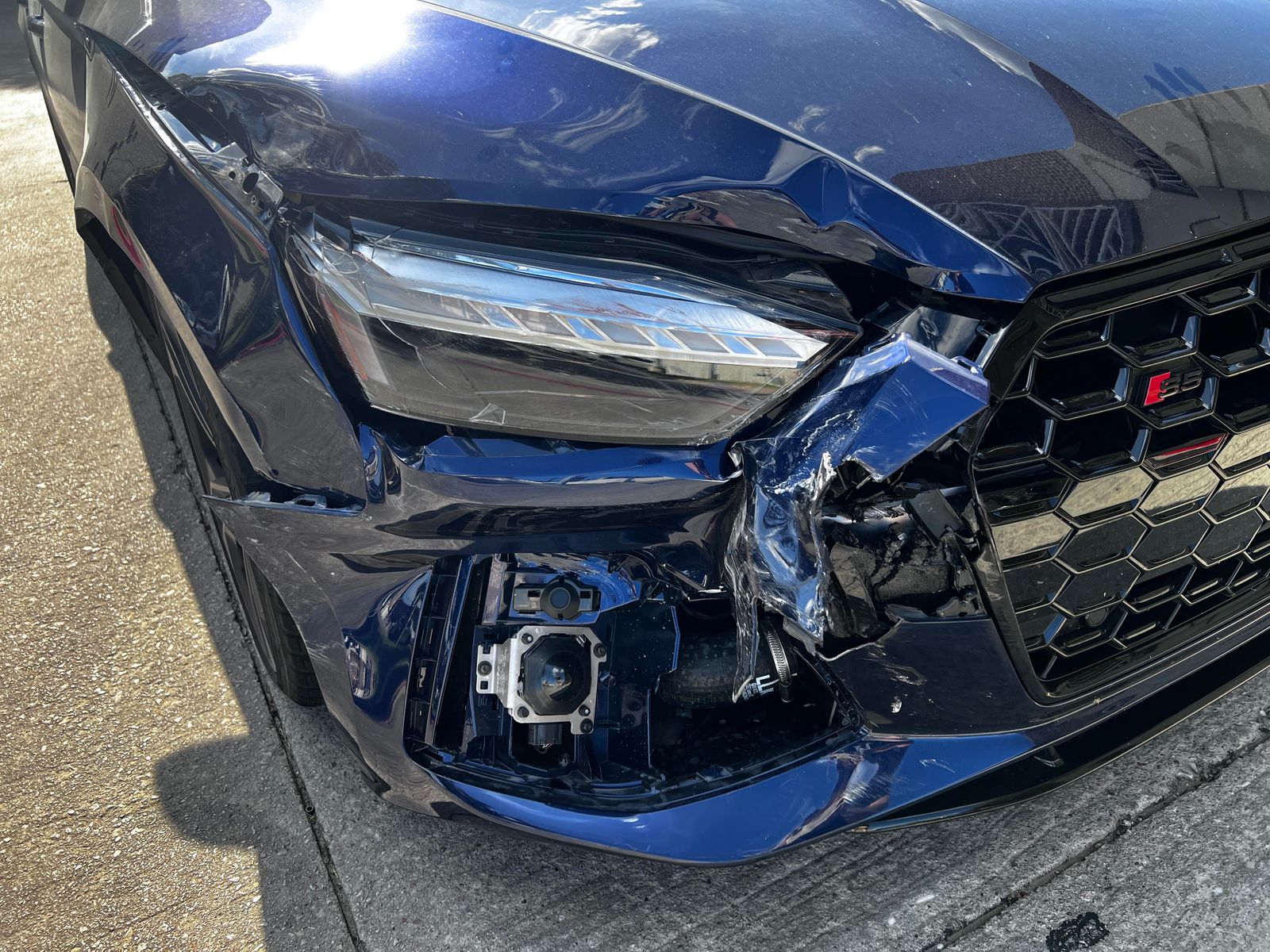
My Insurance Company has Written-Off my Car but I Disagree — What Can I Do?
Finding out your car has been written off is frustrating enough. Finding out and believing the decision is wrong is something else entirely.Whether yo...
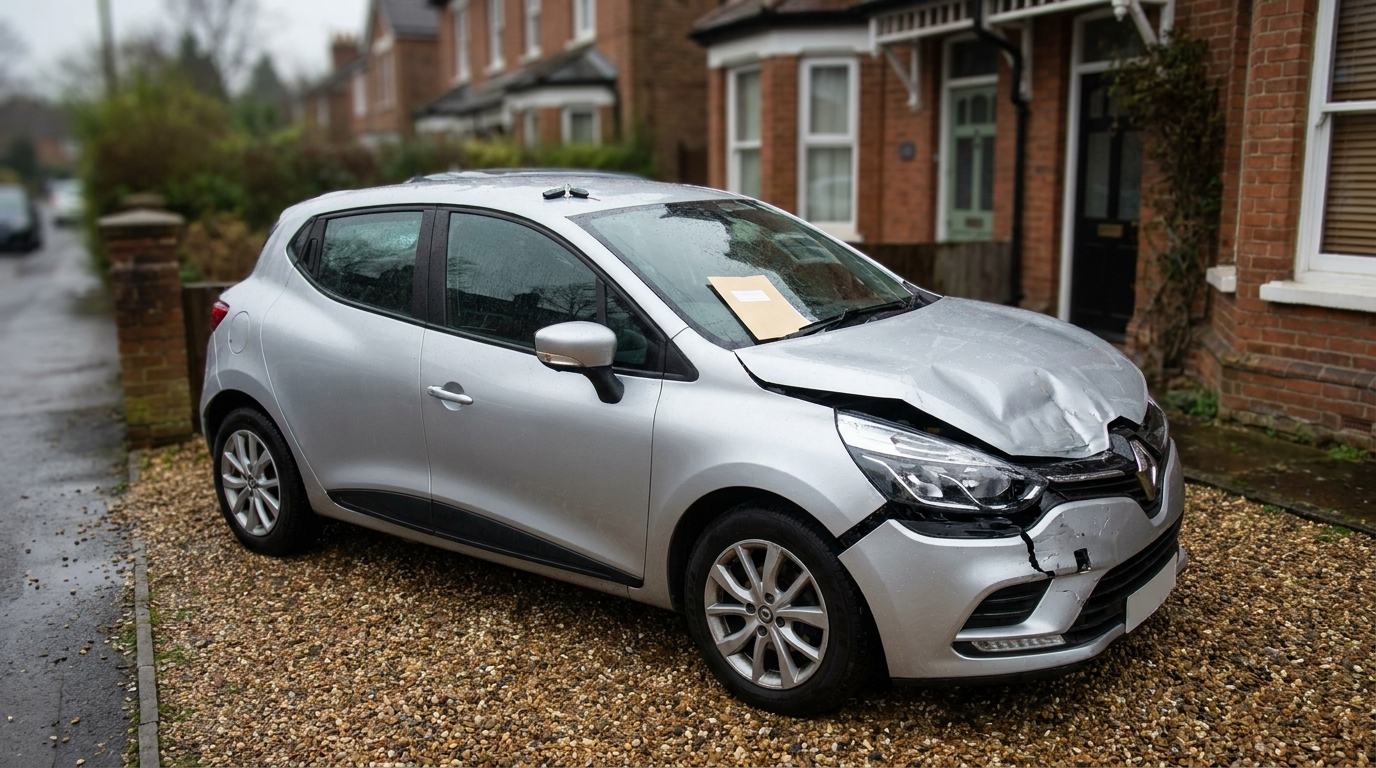
How Much Is My Written-Off Car Worth? The Honest Answer for UK Sellers in 2026
How Much Is My Written-Off Car Worth? The Honest Answer for UK Sellers in 2026If your car has just been written off, the first question is almost alwa...
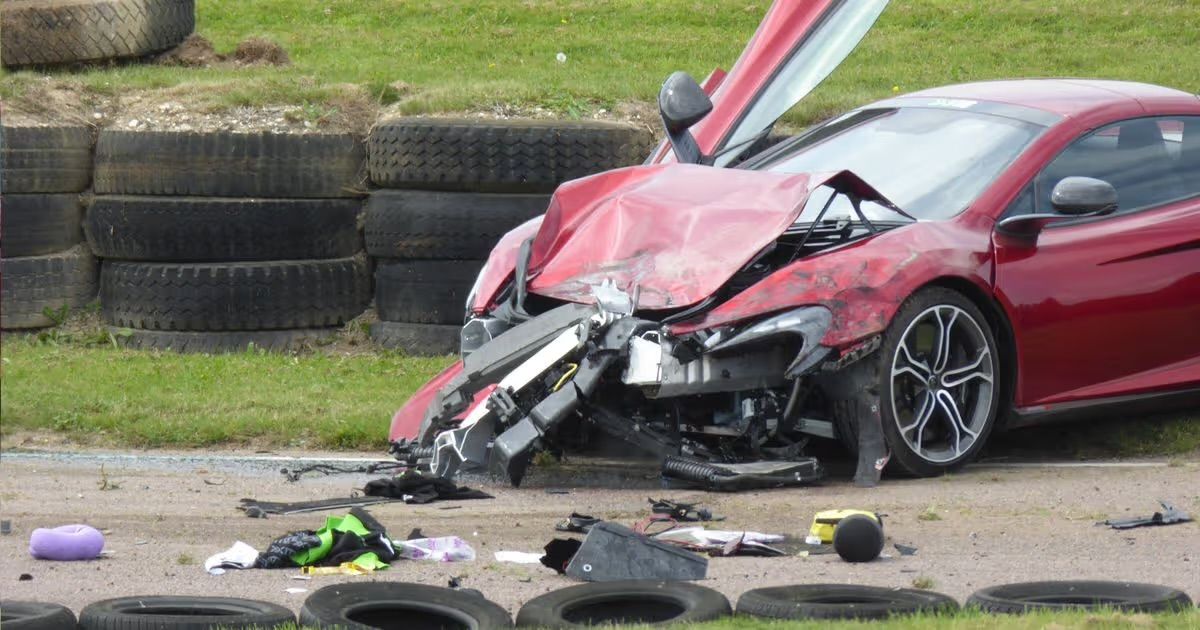
Why Second Gears is the Best Marketplace to Sell Crash Damaged Cars
Selling a damaged car in the UK used to mean choosing between three frustrating options.You could take a low offer from a dealer, send it to auction a...