
How to Sell a Damaged Car Fast in the UK — Without Losing Money
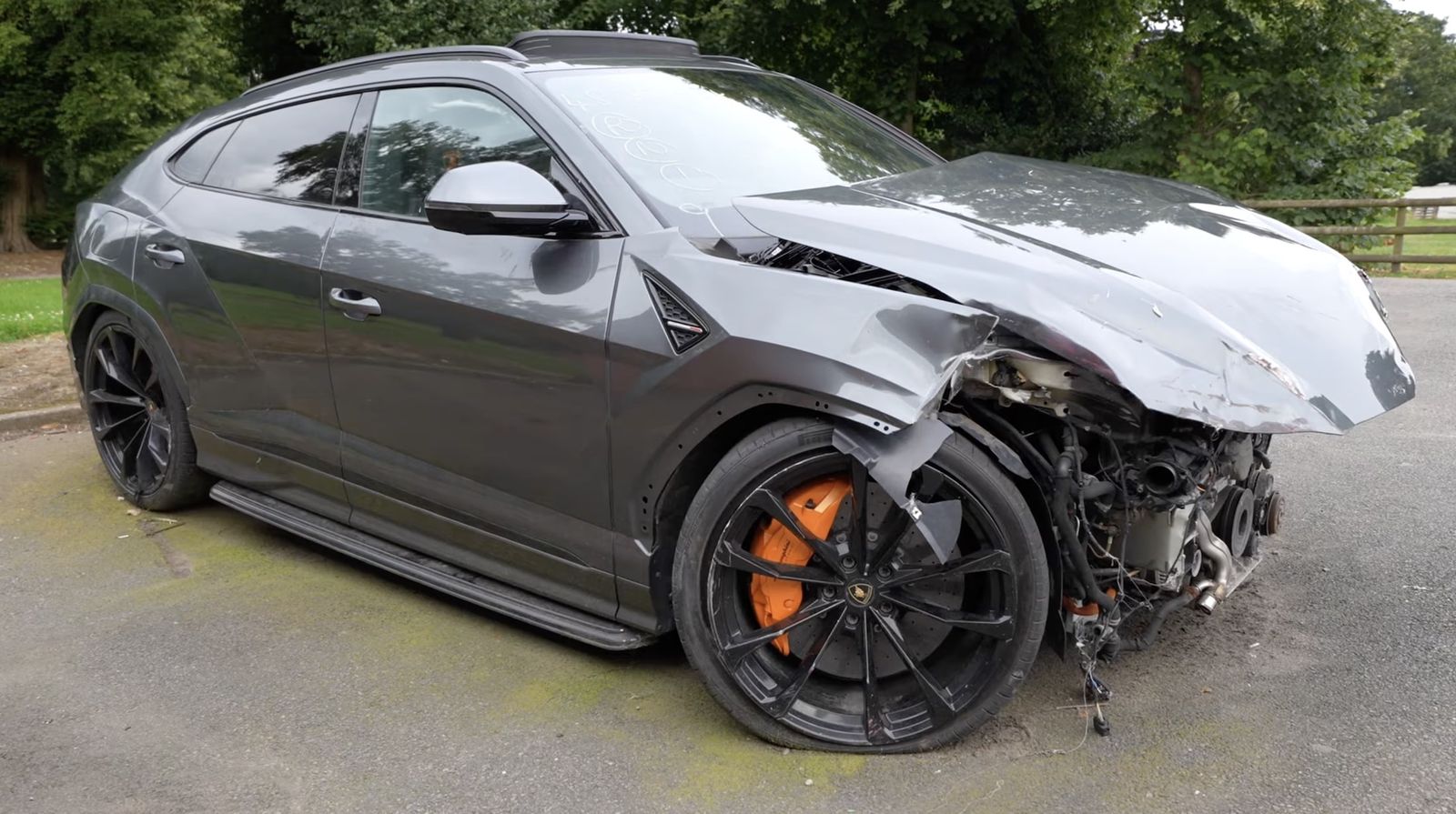
Most people who try to sell a damaged car end up doing one of two things: accepting far too little because they panic, or waiting far too long because they price it wrong. Neither has to happen.
Selling a damaged car quickly and for a fair return is entirely achievable in 2026 — but it requires a different approach to selling a clean car. The buyers are different, the pricing logic is different, and the platform you use makes a bigger difference than most sellers realise.
This guide covers exactly what to do, in the right order, to sell your damaged car fast without leaving money behind.
Understand who is actually buying your car
The first mistake most sellers make is trying to sell a damaged car to the wrong audience.
Retail buyers — people browsing Auto Trader for a family car — are not your market. They want clean, ready-to-drive vehicles and will walk away from anything that needs work or carries a write-off marker. Listing on mainstream platforms wastes your time and generates enquiries that go nowhere.
The buyers for damaged cars are trade buyers: dealers who repair and resell, rebuilders who specialise in category cars, dismantlers who buy for parts, and experienced private buyers who know exactly what they are taking on. These buyers are active, decisive and willing to pay a fair price when the car is presented correctly.
The fastest sales happen when you put your car directly in front of this audience rather than hoping a retail buyer will overlook the issues.
Get the paperwork together before you list
Speed comes from preparation. Buyers who have to wait for documentation slow down or walk away. Sellers who have everything ready close deals faster and with fewer complications.
Before you list, gather the following:
V5C log book
Write-off notification from your insurer if applicable, including the damage category
MOT history and any current certificate
Service history and maintenance records
Any repair quotes you have received
Receipts for recent work or new parts
Photos of the damage taken honestly from multiple angles
A seller with a complete file gives a trade buyer everything they need to make a confident offer. A seller who has to go looking for documents mid-negotiation loses momentum and sometimes the buyer.
Price it correctly from the start
Pricing is where most damaged car sales either succeed or stall. Get it right and the car sells quickly. Get it wrong and it sits, loses credibility, and eventually sells for less than it would have at the right price from day one.
The starting point is the current market value of an equivalent clean car. Search Auto Trader or Motors.co.uk for the same make, model, year, mileage and specification currently for sale. That gives you the baseline.
From there, work backwards. Deduct the realistic cost of whatever repair the buyer will need to carry out. Then deduct further to account for the buyer's time, risk and margin — because a trade buyer needs to make money on the deal or they will not buy it. For category cars, the discount needs to be meaningful. A saving of a few hundred pounds on a car worth thousands is not enough to make the numbers work for a buyer who has repair costs ahead of them.
The key insight is that a correctly priced damaged car sells faster and for more total money than an overpriced one that sits for weeks and eventually sells under further pressure. Price it to sell on day one.
Take photos that do the work for you
Trade buyers make quick decisions based on photos. A listing with clear, honest, comprehensive images gets responses. A listing with two exterior shots and no damage photos gets ignored or generates lowball offers from buyers pricing in the uncertainty.
Photograph the car in good natural daylight. Cover every angle of the exterior, then specifically photograph every area of damage. Close-ups matter. A buyer who can see exactly what they are dealing with from the photos does not need to ask questions before making contact — and that speed of decision is what drives fast sales.
Include the interior front and rear, the boot, the engine bay, the dashboard with ignition on to show any warning lights, the odometer reading, and all four tyres. If there is documentation you plan to include — service history, V5C, write-off notification — photograph those too.
The sellers who get the fastest responses are the ones who make it easy for a buyer to say yes before they have even picked up the phone.
Write a description that gives buyers what they need
A good damaged car description is not a sales pitch. It is a technical summary of the vehicle and its condition written for someone who already understands damaged cars and needs information, not persuasion.
Cover the basics first: make, model, variant, year, mileage, number of owners, gearbox type and fuel. Then describe the damage specifically. What is wrong with it. Whether the damage is cosmetic, mechanical or structural. Whether the car starts and drives. Whether it has been written off by an insurer and assigned a category. Whether there are any faults beyond the visible damage.
Be specific rather than vague. "Some damage to the front" is not useful. "Front nearside impact damage including wing, door and A-pillar, airbags deployed, car does not start" is. The more precise you are, the more confident a buyer is making contact, and the faster the transaction moves.
Choose the right platform
Where you list determines who sees your car and how quickly you get responses.
General used-car platforms are built for retail buyers and clean vehicles. Damaged and category cars underperform on these platforms because the audience is wrong. Buyers who understand damaged cars are not browsing Auto Trader for a Cat N project.
Salvage auctions reach the right buyers but take fees from both sides and put you in a process you do not control. The hammer price is not your price — it is the price minus the auction house margin.
Dedicated marketplaces for damaged and imperfect vehicles are the most effective route for sellers who want speed and value without sacrificing control. The audience is already the right one, no fees are taken from the sale, and you deal directly with buyers rather than through an intermediary.
Second Gears is built specifically for this. Listing is free, there are no commissions or auction fees, and verified trade buyers — dealers, rebuilders and salvage specialists — contact you directly. Because every buyer on the platform is specifically looking for damaged and imperfect vehicles, the enquiry quality is consistently higher than any general platform and response times are significantly faster.
Respond quickly and be ready to move
The fastest sales happen when sellers respond promptly, answer questions directly, and are ready to allow inspection without excessive delay.
When a serious buyer makes contact, they are often assessing multiple vehicles at the same time. The seller who responds within hours gets the deal. The seller who takes two days to reply often finds the buyer has moved on.
Have your availability for viewing clear in the listing. Confirm you can accommodate same-day or next-day inspections where possible. Be straightforward about the car's condition in conversation — a buyer who discovers something you did not mention at the viewing stage is far less likely to proceed, and the time lost restarting the process costs you more than transparency would have.
Know when to negotiate and when to hold
Receiving offers is part of the process for damaged cars. Trade buyers will negotiate — that is expected and normal. The question is knowing where your floor is before the conversation starts.
If you have priced correctly from the outset, you have some room to meet a buyer partway without going below a number that represents fair value. If you have priced with negotiation room already built in, know that too.
What to avoid is making repeated concessions without the buyer moving closer to completing the deal. A buyer who keeps asking for lower without committing to purchase is not a serious buyer. Serious buyers negotiate briefly and then commit. Recognising the difference saves significant time.
How Second Gears gets your car sold faster
The single biggest factor in how quickly a damaged car sells is whether the right buyers see it. Second Gears is designed specifically to solve that problem.
When you list on Second Gears, verified trade buyers are notified directly via WhatsApp when a vehicle matching their criteria goes live. That means your listing reaches active buyers immediately rather than waiting for them to browse. Responses often come within hours of listing rather than days.
There are no listing fees, no success fees and no commissions. You list the car with photos and condition details, buyers contact you directly, and you stay in control of whether and when you sell. The platform removes the delay and the cost of the auction route without removing your control over the outcome.
List your damaged car free on Second Gears and get it in front of buyers who are already looking for exactly what you have.
Common questions
How quickly can I realistically sell a damaged car?
With the right pricing, honest photos and a listing on a platform where the audience is already looking for damaged cars, responses within 24 to 48 hours are common. Sales completing within a week are realistic for well-presented vehicles at the right price.
Should I repair the car before selling?
Only if the repair cost is clearly less than the uplift in selling price and the repair can be completed quickly. For most sellers, a well-priced damaged car sells faster and more profitably than the same car repaired and sold at retail. The exception is when the damage is minor and cosmetic and the repair is straightforward and inexpensive.
Will I get more selling privately or through an auction?
Selling privately through a dedicated damaged car marketplace typically returns more than a salvage auction because auction fees are taken from both sides of the transaction. The auction house margin comes out of the final price you receive. Selling direct eliminates that cost entirely.
What if my car does not start or drive?
Non-runners sell regularly on platforms like Second Gears. Parts buyers, dismantlers and rebuilders actively look for non-running vehicles and price their offers based on what the car is worth to them in its current condition. Be clear in your listing that the car is a non-runner and describe what is known about why.
Do I need the V5C to sell a damaged car?
You need to be able to transfer the vehicle to the buyer correctly, which requires the V5C. If the log book has been retained by an insurer after a write-off, you can apply for a replacement from the DVLA using form V62 before selling.
The bottom line
Selling a damaged car fast and for a fair price is not complicated. It requires the right price from day one, honest and comprehensive photos, a clear description written for the right audience, and a platform that puts your listing in front of buyers who are actively looking for damaged vehicles.
Get those things right and the speed takes care of itself. The sellers who wait the longest are almost always the ones who listed on the wrong platform, priced too high, or presented the car in a way that left buyers with too many unanswered questions.
Clear information, realistic pricing, the right audience. That is all it takes.
Related reading:
Related Articles
How to Sell a Car With Outstanding Finance in the UK
If you want to sell your car but still have a finance agreement running on it, you are not stuck. But you do need to handle it correctly.Selling a car...
Used EV Sales Just Hit Record Highs. Here's What That Means If Yours Is Damaged
Used EV Sales Just Hit Record Highs. Here's What That Means If Yours Is DamagedThe UK used electric car market is no longer a niche. In the first quar...
How Much Is My Written-Off Car Worth? The Honest Answer for UK Sellers in 2026
How Much Is My Written-Off Car Worth? The Honest Answer for UK Sellers in 2026If your car has just been written off, the first question is almost alwa...