
How Much Is My Written-Off Car Worth? The Honest Answer for UK Sellers in 2026
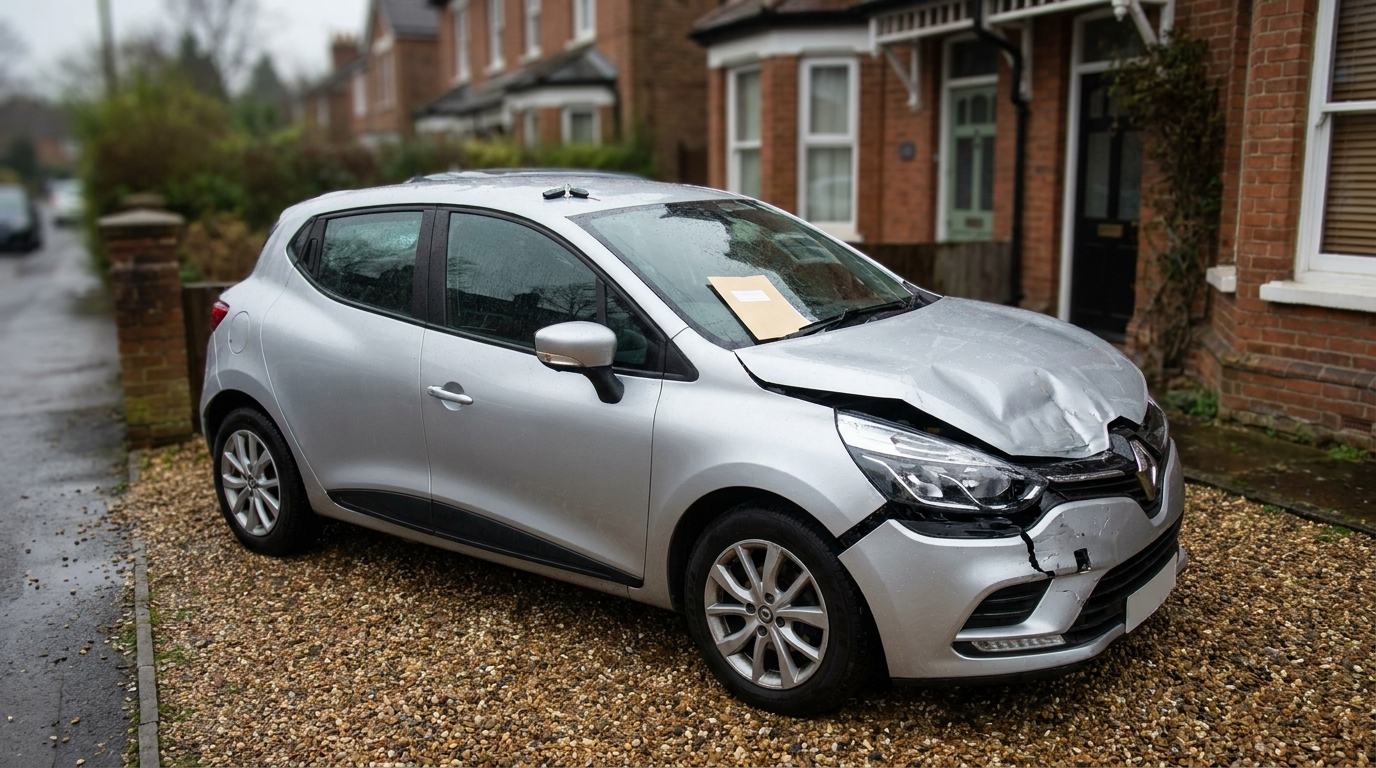
How Much Is My Written-Off Car Worth? The Honest Answer for UK Sellers in 2026
If your car has just been written off, the first question is almost always the same. What is it actually worth now?
The frustrating part is that most of the numbers you will be shown early on are not really answers. The settlement figure is what the insurer values the car at before the accident. The retention deduction is what the salvage trade expects to pay at the bottom of the chain. Neither figure tells you what a real buyer would pay you directly for the car as it sits.
This guide explains how written-off car values actually work in the UK, what moves the price up or down, and how to find out what your specific car is worth without guessing.
The three numbers that get confused
When a car is written off, three different values are in play and they are regularly mixed up.
Pre-accident value. What the car was worth before the damage. This is the basis of your insurance settlement.
Salvage value. What the trade expects to pay for the car in its damaged state. If you retain the vehicle, this is roughly what gets deducted from your payout.
Achievable sale price. What a motivated buyer, a rebuilder, a dealer or a breaker, will actually pay you directly. This is the only number that matters if you are selling, and it is often meaningfully higher than the salvage deduction, because that deduction is priced for a chain of middlemen who each take a margin.
The gap between the second and third numbers is where sellers either lose money or keep it.
What actually drives the value of a written-off car
The category. A Cat N car with cosmetic or non-structural damage holds far more of its value than a Cat S with structural damage, because the repair is cheaper and the car keeps its original log book. Cat B vehicles cannot return to the road, so their value is in parts and is assessed very differently.
The car itself. Demand for the model matters more than most sellers expect. Superminis and popular hatchbacks dominate the UK used market, which means parts demand and rebuild demand stay strong for cars like the Fiesta, Corsa and Golf. Desirable performance cars and popular EVs also attract strong interest from rebuilders because the finished car sells well.
The damage, honestly described. A car with a clean front-end hit and airbags intact is a very different proposition from one with the same category but hidden structural questions. Clear photos and an honest description consistently produce better offers, because trade buyers price uncertainty harshly.
Whether it runs and drives. A driveable Cat N can be worth a large share of its pre-accident value. A non-runner of the same category will be priced with recovery and unknown mechanical risk built in.
Keys, V5C and history. A car with both keys, the log book sorted for its category and a documented service history is worth more every single time. Missing paperwork reads as risk.
Rough expectations by category
Every car is different, but as a general shape of the market: Cat N cars often achieve a substantial proportion of their pre-accident value when sold directly to the right buyer, Cat S cars sit lower because of the structural repair and re-registration steps, and older high-mileage write-offs may be worth more broken for parts than repaired. The worst results almost always come from accepting the first number offered rather than testing the market.
Why the same car gets wildly different offers
The value of a damaged car depends on who is looking at it. A bodyshop that can repair your exact damage at trade cost will pay more than a general dealer. A breaker sitting on demand for your model's parts will pay more than someone who has to store the car. This is why a single quote from one buyer tells you almost nothing, and why auction routes, where fees are taken from both sides, compress what you walk away with.
The only reliable way to find out what your car is worth is to put it in front of multiple trade buyers who compete for it.
Get real offers, not estimates
Second Gears exists for exactly this situation. Listing is free, and your Cat S, Cat N, MOT-failed or non-running car goes in front of verified UK trade buyers, rebuilders, dealers and salvage specialists, who contact you directly with offers. No auction fees, no middlemen taking a margin between you and the buyer.
List your car free on Second Gears and find out what it is actually worth. Retain your vehicle, sell direct, not at auction, and keep the difference.
Related reading: What Are Cat S, Cat N and Cat B Cars? The Complete 2026 Guide and Buying Back Your Insurance Write-Off? Here's How to Sell It for More.
How Much Is My Written-Off Car Worth? The Honest Answer for UK Sellers in 2026
If your car has just been written off, the first question is almost always the same. What is it actually worth now?
The frustrating part is that most of the numbers you will be shown early on are not really answers. The settlement figure is what the insurer values the car at before the accident. The retention deduction is what the salvage trade expects to pay at the bottom of the chain. Neither figure tells you what a real buyer would pay you directly for the car as it sits.
This guide explains how written-off car values actually work in the UK, what moves the price up or down, and how to find out what your specific car is worth without guessing.
The three numbers that get confused
When a car is written off, three different values are in play and they are regularly mixed up.
Pre-accident value. What the car was worth before the damage. This is the basis of your insurance settlement.
Salvage value. What the trade expects to pay for the car in its damaged state. If you retain the vehicle, this is roughly what gets deducted from your payout.
Achievable sale price. What a motivated buyer, a rebuilder, a dealer or a breaker, will actually pay you directly. This is the only number that matters if you are selling, and it is often meaningfully higher than the salvage deduction, because that deduction is priced for a chain of middlemen who each take a margin.
The gap between the second and third numbers is where sellers either lose money or keep it.
What actually drives the value of a written-off car
The category. A Cat N car with cosmetic or non-structural damage holds far more of its value than a Cat S with structural damage, because the repair is cheaper and the car keeps its original log book. Cat B vehicles cannot return to the road, so their value is in parts and is assessed very differently.
The car itself. Demand for the model matters more than most sellers expect. Superminis and popular hatchbacks dominate the UK used market, which means parts demand and rebuild demand stay strong for cars like the Fiesta, Corsa and Golf. Desirable performance cars and popular EVs also attract strong interest from rebuilders because the finished car sells well.
The damage, honestly described. A car with a clean front-end hit and airbags intact is a very different proposition from one with the same category but hidden structural questions. Clear photos and an honest description consistently produce better offers, because trade buyers price uncertainty harshly.
Whether it runs and drives. A driveable Cat N can be worth a large share of its pre-accident value. A non-runner of the same category will be priced with recovery and unknown mechanical risk built in.
Keys, V5C and history. A car with both keys, the log book sorted for its category and a documented service history is worth more every single time. Missing paperwork reads as risk.
Rough expectations by category
Every car is different, but as a general shape of the market: Cat N cars often achieve a substantial proportion of their pre-accident value when sold directly to the right buyer, Cat S cars sit lower because of the structural repair and re-registration steps, and older high-mileage write-offs may be worth more broken for parts than repaired. The worst results almost always come from accepting the first number offered rather than testing the market.
Why the same car gets wildly different offers
The value of a damaged car depends on who is looking at it. A bodyshop that can repair your exact damage at trade cost will pay more than a general dealer. A breaker sitting on demand for your model's parts will pay more than someone who has to store the car. This is why a single quote from one buyer tells you almost nothing, and why auction routes, where fees are taken from both sides, compress what you walk away with.
The only reliable way to find out what your car is worth is to put it in front of multiple trade buyers who compete for it.
Get real offers, not estimates
Second Gears exists for exactly this situation. Listing is free, and your Cat S, Cat N, MOT-failed or non-running car goes in front of verified UK trade buyers, rebuilders, dealers and salvage specialists, who contact you directly with offers. No auction fees, no middlemen taking a margin between you and the buyer.
List your car free on Second Gears and find out what it is actually worth. Retain your vehicle, sell direct, not at auction, and keep the difference.
Related reading: What Are Cat S, Cat N and Cat B Cars? The Complete 2026 Guide and Buying Back Your Insurance Write-Off? Here's How to Sell It for More.
Related Articles
Selling a Loved One's Car: A Straightforward Guide for a Difficult Time
Selling a Loved One's Car: A Straightforward Guide for a Difficult TimeSorting out a car is one of those practical tasks that arrives in the middle of...
What are Cat S, Cat N, and Cat B Cars? The Complete 2026 UK Guide to Insurance Write-Off Categories
If your car has been written off by an insurer, repaired after an accident, or you're looking at damaged cars for sale, it helps to know exactly what...

The Fastest-Growing Car Rebuilders in the UK Right Now and What They’re Fixing
Britain's rebuild scene has gone mainstream. What was once a quiet corner of the trade is now an industry attracting serious money, online audiences i...