
What to Look for When Buying a Used Car in the UK
Get it right and you drive away with a solid vehicle at a fair price. Get it wrong and you inherit someone else's problems at your own expense. The checks that protect you are straightforward — here is what to do and in what order.
Run a history check before you travel
The most important check happens before you leave the house. A paid vehicle history check from HPI, Experian or similar tells you whether the car has outstanding finance on it, whether it has been written off and assigned a write-off category, whether it has been reported stolen, and whether the mileage is consistent with its MOT history.
Outstanding finance is the most common problem buyers encounter. If the previous owner still owes money on the car, the finance company retains a legal interest and can repossess it even after you have paid in full. A history check reveals this before you get attached to the car.
Also use the DVLA's free MOT history service. Sudden mileage drops between tests or unexplained gaps in history are worth questioning before you travel.
Check the paperwork at the viewing
Ask to see the V5C log book immediately. The name and address should match the seller and the address where the car is being sold. Verify the number plate, VIN and engine number all match the log book — these are stamped in multiple locations on the car and should all be identical. A mismatch is a reason to walk away.
Ask for the full service history and maintenance receipts. A car with documented regular servicing is a better buy than one without, regardless of how well it presents at the viewing.
Inspect the exterior
Walk around the entire car slowly in good light. Inconsistent panel gaps, paint that does not quite match across adjacent panels, or overspray on rubber seals and trim all suggest previous repair work that has not been disclosed.
Run your hand along the lower edges of the doors, sills and wheel arches for rust bubbling under the paint. Then look at the car from each corner at a low angle along the bodywork — ripples or flat spots reveal impact damage and substandard repair work that is hard to spot head-on.
Check under the bonnet
Check the oil on the dipstick. Fresh oil is amber and clear. Milky or creamy oil on the dipstick or the underside of the oil filler cap suggests coolant mixing with the oil — a potential head gasket problem and an expensive repair on any car.
Look for visible oil leaks around the engine and on the ground under where the car is parked. A small amount of moisture after a cold start is normal. Significant oil deposits are worth investigating before you commit.
Inspect the interior
Check that all the electrics work — windows on every door, air conditioning blowing cold, and no warning lights remaining on after the engine starts. Any warning light that stays on is worth understanding before you buy.
Check the seats and carpets for wear consistent with the stated mileage. Look at the headlining and carpet for signs of damp — staining, a musty smell or condensation inside the windows. Water ingress is a significant issue on modern cars with complex electronics.
Take it for a test drive
On a straight road, let go of the steering wheel briefly — the car should track straight. Check the brakes at various speeds and in a straight line. Vibration under braking suggests warped discs.
Listen for anything unusual. Knocking over bumps suggests worn suspension. A whining noise on acceleration suggests gearbox issues. Any rattle or noise worth querying is worth querying before you buy, not after.
Negotiate on what you find
Everything you find is a negotiating point. Worn tyres, overdue service, minor bodywork issues — all of these are real costs you will carry as the new owner. Research comparable cars before the viewing so you know what the car is worth in the condition you find it.
For damaged and category cars, the discount needs to be meaningful enough to cover the repair cost plus your time and margin. A car priced only slightly below a clean equivalent does not represent value once you factor in what it will take to bring it up to the same standard.
How Second Gears helps buyers
Second Gears connects buyers directly with private sellers of damaged, written-off and imperfect vehicles. Every listing includes accurate damage descriptions, comprehensive photos and write-off documentation as standard — because sellers on the platform know they are listing for buyers who understand what they are looking at.
There are no buyer fees. You contact sellers directly, negotiate on your own terms and inspect before committing.
Browse current listings on Second Gears and find the right car today.
Common questions
Do I need a mechanical inspection before buying?
For any car over a few thousand pounds, an independent pre-purchase inspection from a trusted mechanic is money well spent — typically £100 to £200 and worth every penny on a higher-value or category car purchase.
Can I return a used car if there is a problem after buying?
If you buy from a dealer, consumer rights legislation gives you 30 days to reject the car if it is not of satisfactory quality. Private sales carry no such protection — what you see is what you get, which is why the pre-purchase checks matter more.
What if the V5C does not match the car?
Walk away. A V5C that does not match the VIN, engine number or number plate is a serious red flag for cloning, theft or fraud. No seller explanation changes that risk.
The bottom line
History check before you travel. Paperwork at the viewing. Exterior and mechanical checks before the test drive. Negotiate on what you find.
None of it is complicated. All of it is worth doing. The buyers who skip the checks are the ones who inherit the problems.
Related reading:
Related Articles
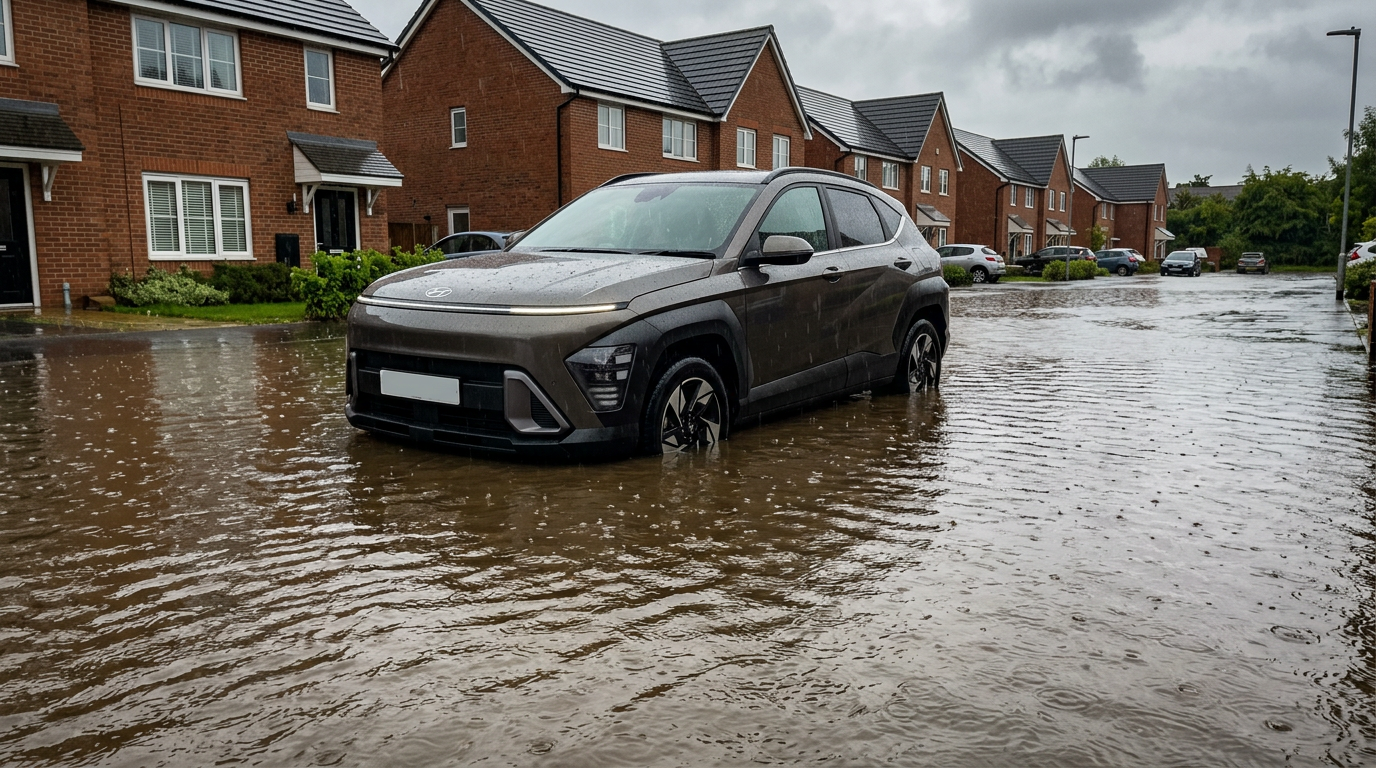
Can You Sell a Flood-Damaged Car in the UK? Yes, and Here's How to Do It Properly
Can You Sell a Flood-Damaged Car in the UK? Yes, and Here's How to Do It ProperlyEvery autumn and winter, thousands of UK cars end up standing in wate...
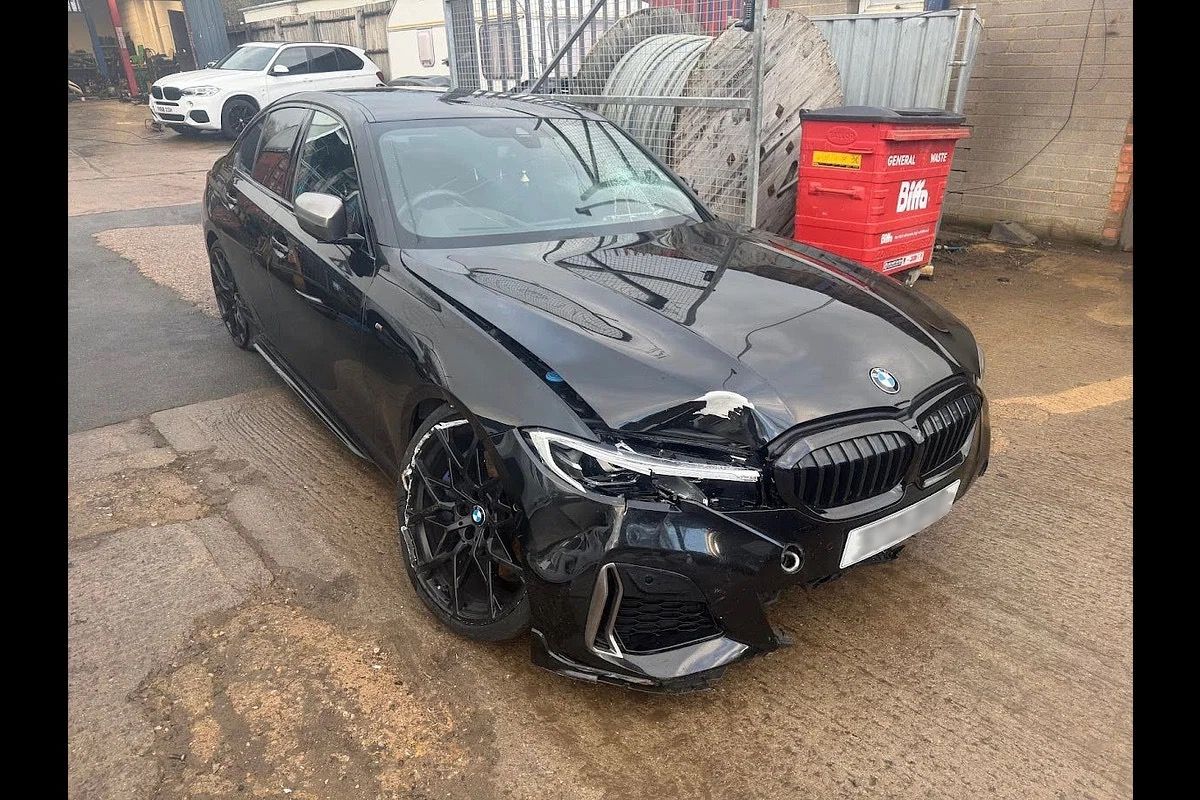
The First Marketplace Built for Crash Damaged Cars in the UK
Selling a damaged car in the UK has always been harder than it should be. Most platforms were built for clean, mainstream vehicles — and when your car...
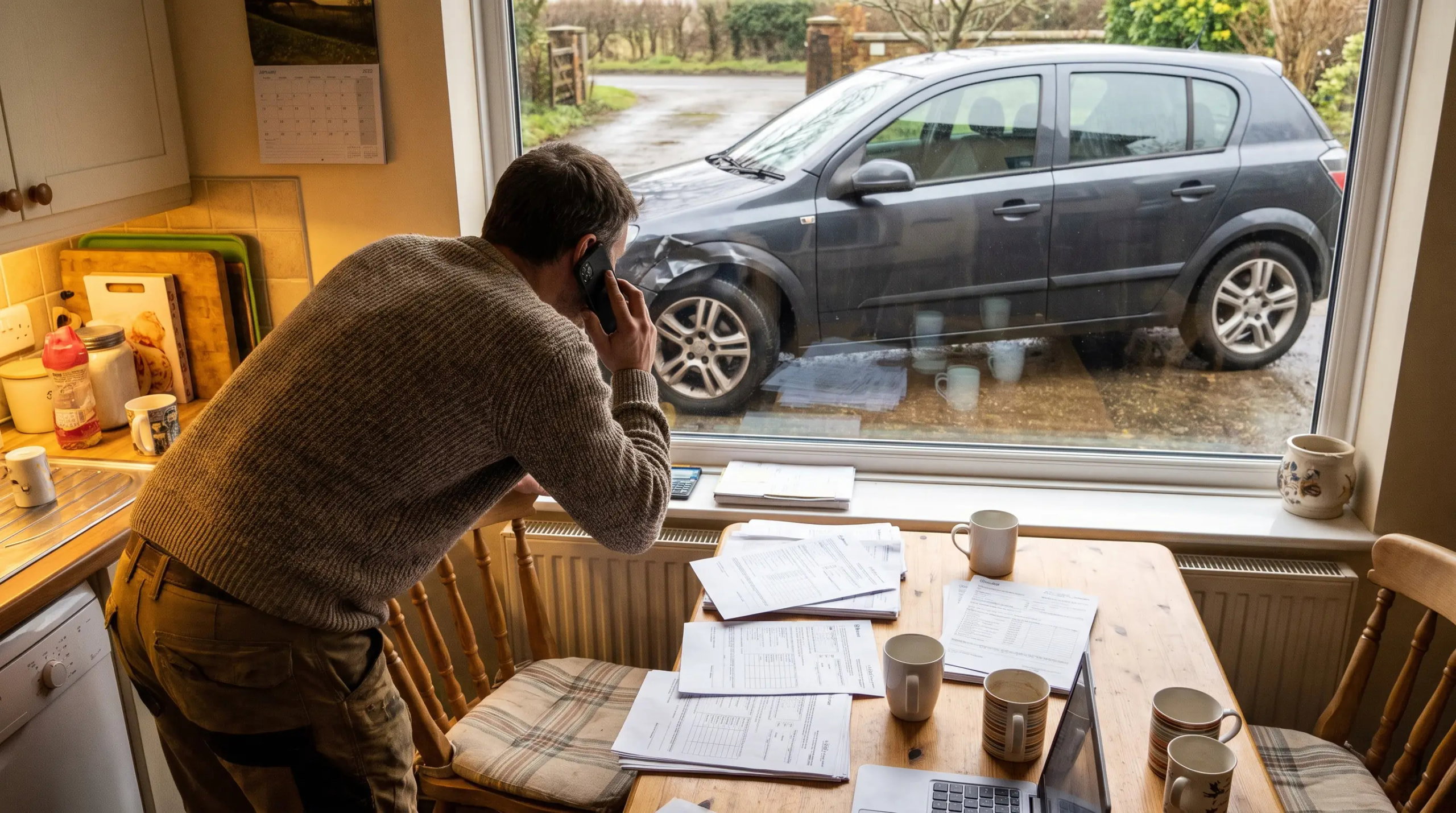
Non-Fault Accident: Claim on My Insurance or Theirs?
"Do I Claim on My Insurance or Theirs?" The Question Every Non-Fault Driver AsksIt's the first fork in the road after a non-fault accident, and the ro...