
What the Bugatti Saga Taught 10 Million People About Salvage
What the Bugatti Saga Taught 10 Million People About Salvage
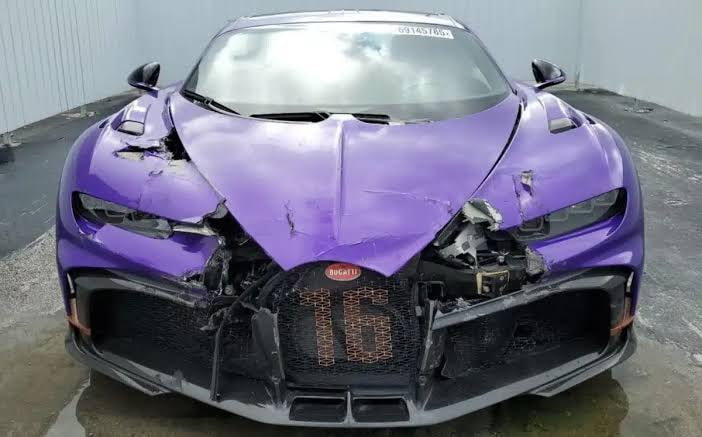
The most-watched car content of the year isn't a launch film or a track test. It's Mat Armstrong from the Midlands rebuilding a written-off hypercar in a unit, arguing with one of the most powerful men in the car industry about parts, and taking the whole internet along for it.
Strip away the drama and Mat Armstrong's Bugatti project has done something no marketing campaign could: it has taught a mainstream audience how salvage actually works.
Lesson one: a write-off is a financial decision, not a death certificate
Millions of viewers have now watched a car deemed not worth repairing by the system get repaired anyway, panel by panel, in public. The write-off decision was about cost through official channels, not about whether the car could be fixed. That is true of the hypercar in the videos and equally true of the Cat N hatchback on a driveway in Leeds. Once people understand that, the stigma that used to hang over "written off" starts to look like what it always was: a pricing inefficiency.
Lesson two: parts access is power
The saga's real villain wasn't the crash, it was the parts counter. A locked VIN and a refused order turned a repair into a saga, and viewers got a live lesson in why the repair ecosystem outside main dealers matters. It's the same lesson at every level of the market: cars are repaired affordably because donor vehicles, breakers and independent specialists exist, and every one of those repairs starts with someone buying a damaged car.
Lesson three: the discount is the business model
Whether it's a hypercar bought at a fraction of its value or an £87,000 Porsche nobody else would touch, the pattern is identical. Complicated stories trade at a discount, skill closes the gap, and the margin in between is the entire salvage economy. The audience watching those videos is learning to see damaged cars as opportunities, and a meaningful slice of them are becoming buyers.
What this means if you're the one with the damaged car
Demand. The rebuild scene's growth means more buyers than ever are hunting repairable stock, from seven-figure projects down to the everyday Cat N cars that make up the real market. The average UK car is 9.7 years old, repair demand keeps climbing, and the people fixing those cars need donors and projects constantly.
The sellers who benefit are the ones who put their car where those buyers actually look, rather than accepting the first figure the system offers.
Your car doesn't need ten million views to find its buyer
It needs the right fifty people to see it. Second Gears puts damaged, written-off and non-running cars in front of verified UK trade buyers, rebuilders, breakers and dealers, who make direct offers. Listing is free, and the margin the middlemen would have taken stays with you.
List your car free on Second Gears. Sell direct, not at auction, and keep the difference
Related Articles
How to Sell a Non-Runner in the UK Without Giving It Away
How to Sell a Non-Runner in the UK Without Giving It AwayA car that will not start or drive feels like a liability sitting on your drive. It is not. N...

Selling a Car With Gearbox Problems: Why the Repair Quote Isn't the Whole Story
Selling a Car With Gearbox Problems: Why the Repair Quote Isn't the Whole StoryGearbox failure is the quote that makes owners give up on a car. A repl...
My Insurance Company has Written-Off my Car but I Disagree — What Can I Do?
Finding out your car has been written off is frustrating enough. Finding out and believing the decision is wrong is something else entirely.Whether yo...