
Where to Buy Salvage Cars in the UK: A Buyer's Field Guide
Where to Buy Salvage Cars in the UK: A Buyer's Field Guide
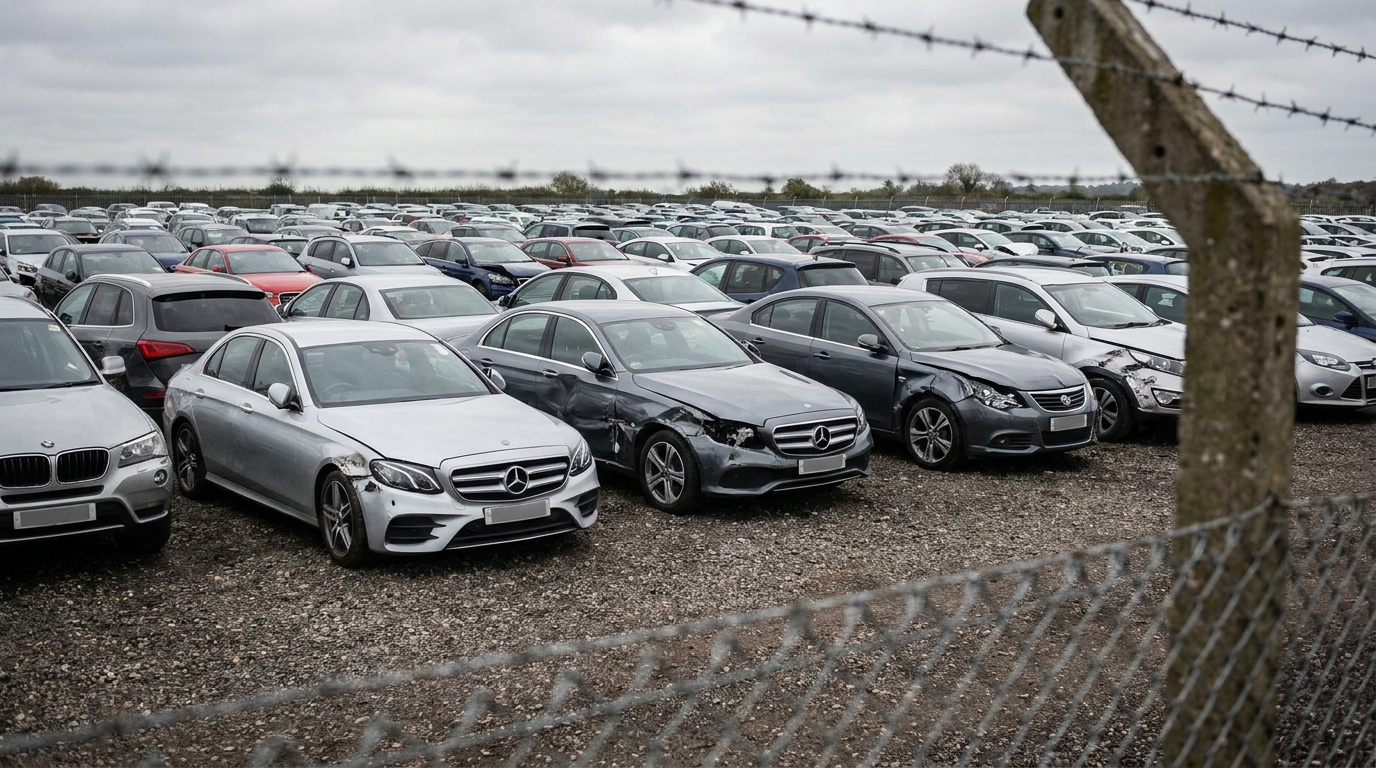
Every rebuilder, dealer and breaker has the same first problem: sourcing. Good Cat S and Cat N stock is the raw material of the whole trade, and where you buy it shapes your margin before you turn a single spanner. Here is the honest comparison of the channels, from someone who runs one of them.
Salvage auctions
The traditional route, and where insurer stock lands in volume. The strengths are scale and consistency: thousands of lots, graded, on a schedule. The costs are the fees, buyer's premiums, loading and access charges stacking on top of every hammer price, plus the competition of every other trade buyer in the country bidding on the same feed. Auctions reward volume buyers with time to trawl and the discipline to walk away, and they punish anyone bidding on thumbnails.
General classifieds
Private sellers do list damaged cars on mainstream sites, and occasional bargains exist, but the signal-to-noise is brutal: damaged stock is buried, descriptions are written for private buyers, and half the sellers have retail expectations. Worth a saved search, not worth a morning.
Direct damaged-car marketplaces
The newest channel and the one built for this exact transaction. Private sellers, many of them drivers who retained their write-off, list directly, which means stock that never reaches auction and prices that are not inflated by a room of rival bidders plus a fee stack. The buyer's advantages are first contact with the seller, real photos of real cars on driveways, the story behind the damage from the person who was there, and an all-in cost that is simply the price you agree.
On Second Gears specifically, sellers list free, so the stock keeps coming, and verified trade buyers subscribe for access and contact sellers directly. The subscription replaces the per-car fee stack, which changes the maths quickly for anyone buying more than occasionally.
What sharp buyers check regardless of channel
Category and what caused it. Airbag status, since deployment changes repair cost sharply. Whether it starts and drives. V5C position and keys. History and mileage. And on every Cat S, the structure itself, in photos first and in person or via inspection before committing. The discipline is identical everywhere; the difference between channels is what a car costs you all-in and how early you get to it.
Get to the stock first
Fresh damaged stock, direct from sellers, before it hits any auction feed. That is the Second Gears buyer proposition in one line.
Join Second Gears as a verified trade buyer and source direct.
Where to Buy Cat S and Cat N Cars in the UK: A Buyer's Field Guide
Every rebuilder, dealer and breaker has the same first problem: sourcing. Good Cat S and Cat N stock is the raw material of the whole trade, and where you buy it shapes your margin before you turn a single spanner. Here is the honest comparison of the channels, from someone who runs one of them.
Salvage auctions
The traditional route, and where insurer stock lands in volume. The strengths are scale and consistency: thousands of lots, graded, on a schedule. The costs are the fees, buyer's premiums, loading and access charges stacking on top of every hammer price, plus the competition of every other trade buyer in the country bidding on the same feed. Auctions reward volume buyers with time to trawl and the discipline to walk away, and they punish anyone bidding on thumbnails.
General classifieds
Private sellers do list damaged cars on mainstream sites, and occasional bargains exist, but the signal-to-noise is brutal: damaged stock is buried, descriptions are written for private buyers, and half the sellers have retail expectations. Worth a saved search, not worth a morning.
Direct damaged-car marketplaces
The newest channel and the one built for this exact transaction. Private sellers, many of them drivers who retained their write-off, list directly, which means stock that never reaches auction and prices that are not inflated by a room of rival bidders plus a fee stack. The buyer's advantages are first contact with the seller, real photos of real cars on driveways, the story behind the damage from the person who was there, and an all-in cost that is simply the price you agree.
On Second Gears specifically, sellers list free, so the stock keeps coming, and verified trade buyers subscribe for access and contact sellers directly. The subscription replaces the per-car fee stack, which changes the maths quickly for anyone buying more than occasionally.
What sharp buyers check regardless of channel
Category and what caused it. Airbag status, since deployment changes repair cost sharply. Whether it starts and drives. V5C position and keys. History and mileage. And on every Cat S, the structure itself, in photos first and in person or via inspection before committing. The discipline is identical everywhere; the difference between channels is what a car costs you all-in and how early you get to it.
Get to the stock first
Fresh damaged stock, direct from sellers, before it hits any auction feed. That is the Second Gears buyer proposition in one line.
Join Second Gears as a verified trade buyer and source direct.
Related Articles
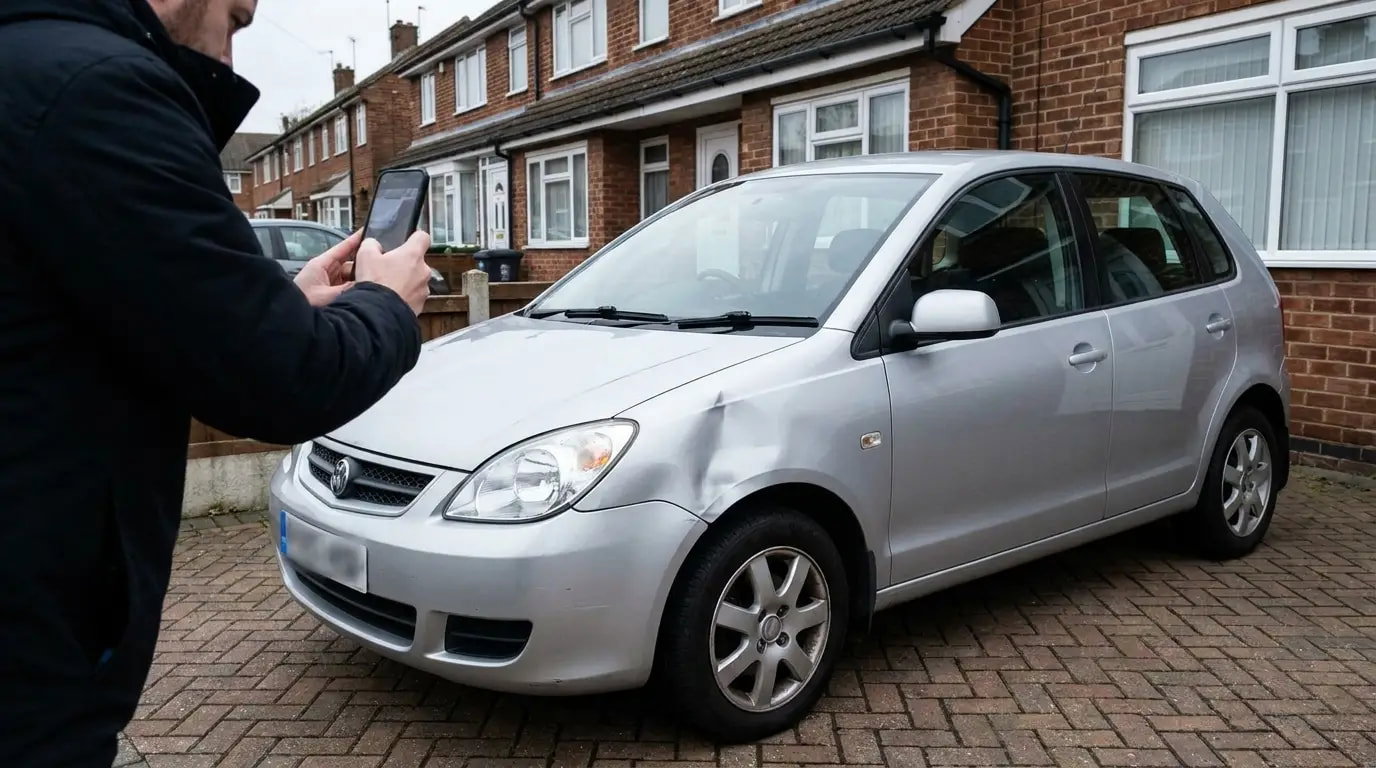
What Trade Buyers Actually Look For in a Damaged Car Listing
What Trade Buyers Actually Look For in a Damaged Car ListingEvery damaged car listing gets the same ten-second scan from a trade buyer before they dec...
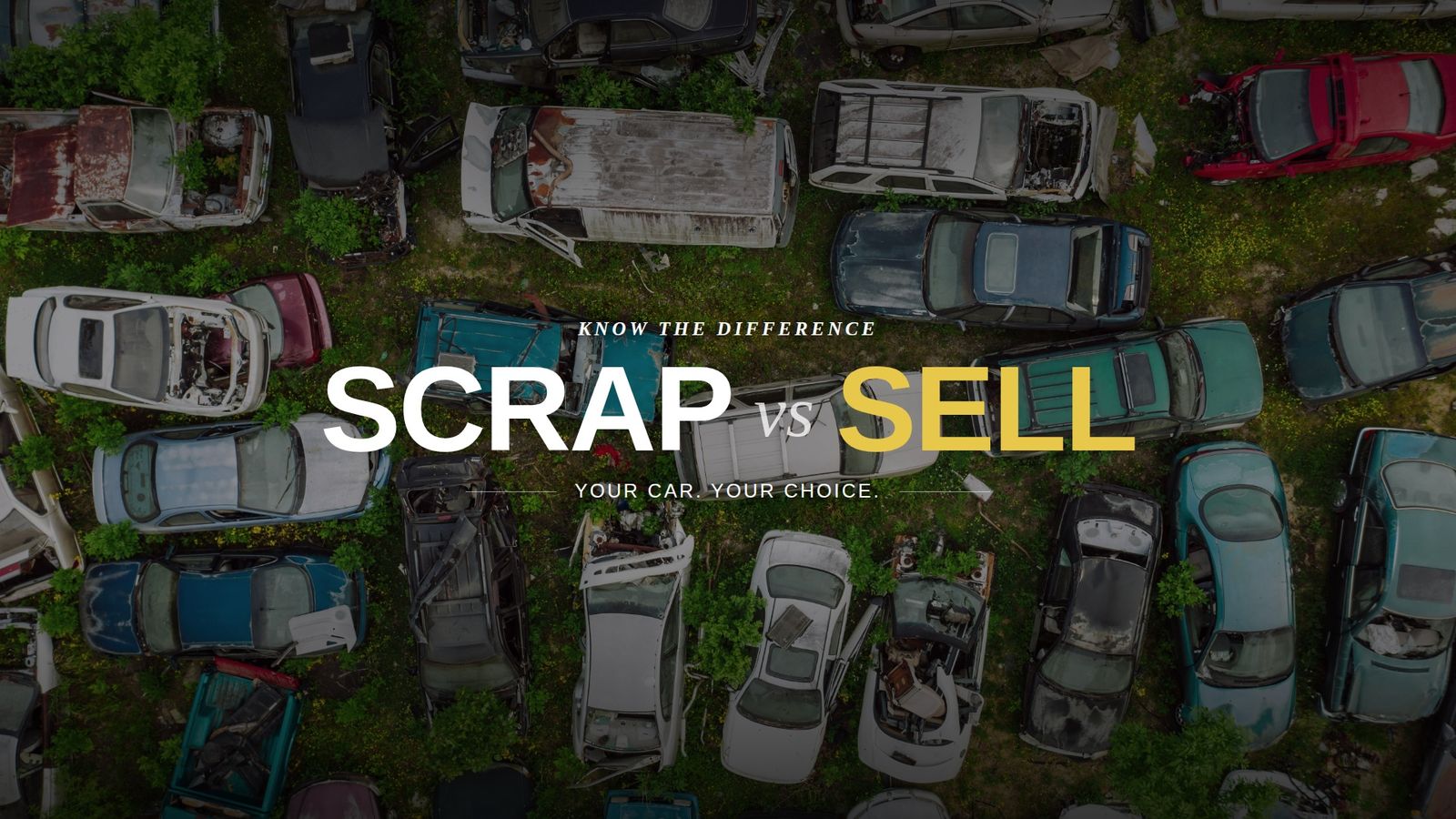
Scrap vs Sell: What Gets You More for Your Damaged Car
If your car has been damaged, written off, or just will not start anymore, you are probably weighing up the same question most owners face: is it bett...
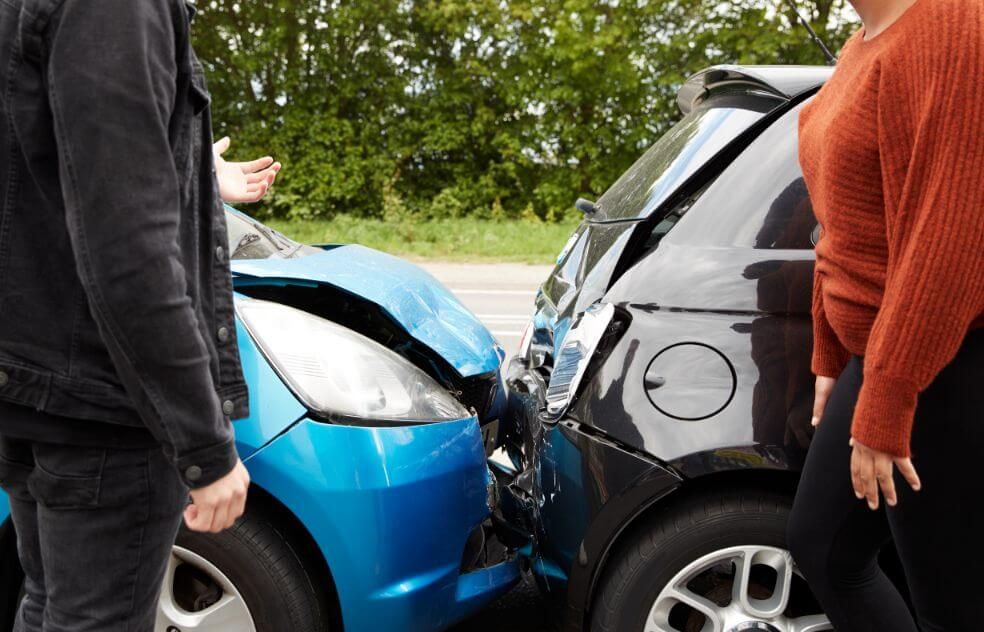
What to Do in the First 24 Hours After a Car Accident in the UK
The moments after a car accident are disorienting. Even a minor collision leaves most drivers shaken, unsure what needs to happen and in what order. T...