
Are Older Damaged Cars Worth More in 2026? Britain’s Ageing Car Boom Explained
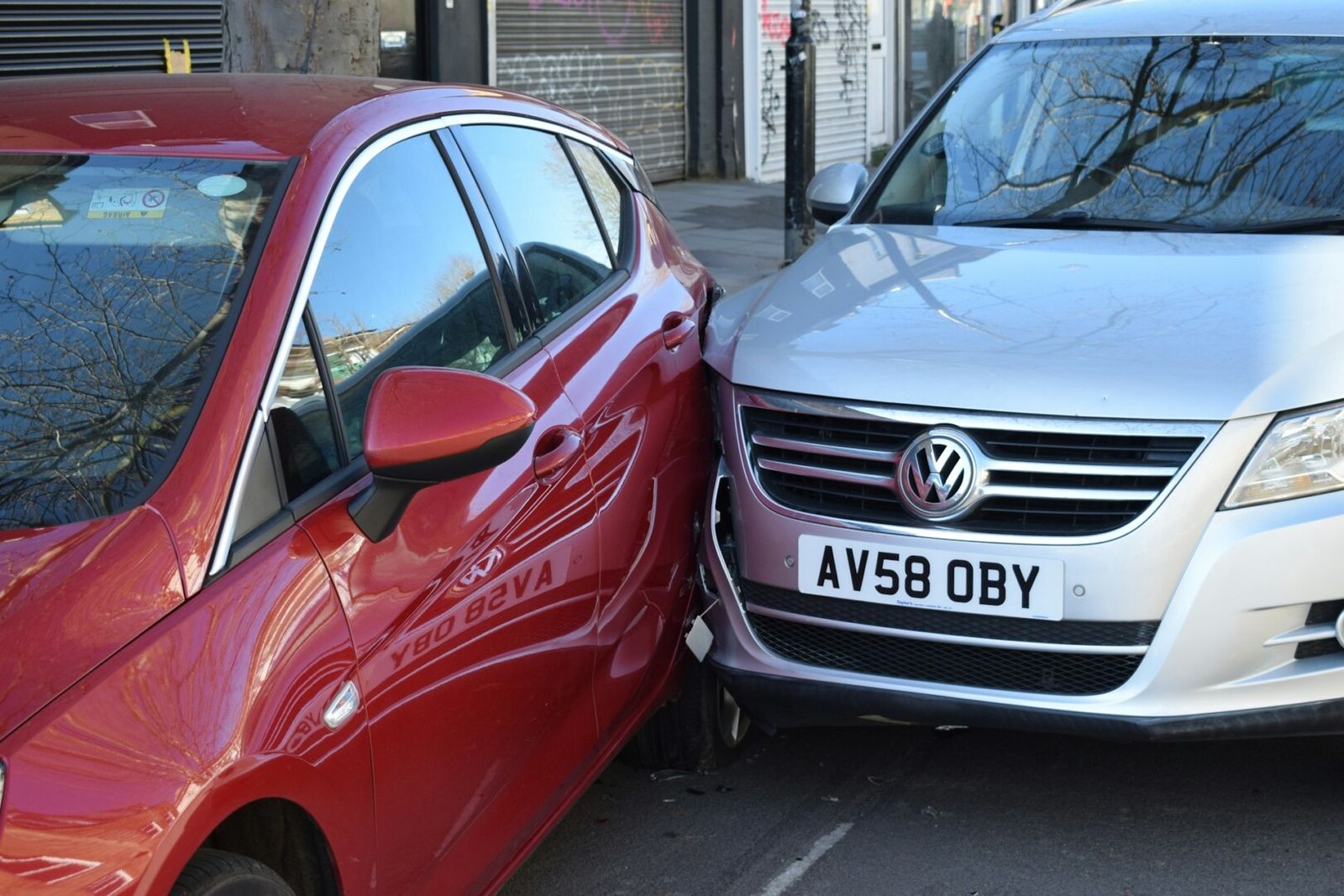
If you own an older damaged car, there is a good chance you are undervaluing it.
For years, the assumption was simple: once a car hit 10 years old, any serious fault, MOT failure or accident damage pushed it closer to scrap than resale. But the UK market is changing. Britain's car parc is ageing, buyers are holding onto vehicles for longer, and older used cars are now selling faster than many people expect. SMMT data shows the average car in use is now 9.5 years old, and 43.4% of cars on UK roads are more than 10 years old.
That matters because older cars are no longer sitting at the fringes of the market. They are becoming a much bigger part of it. And when demand for older cars grows, the value of older damaged, repairable and imperfect cars can rise with it. That is exactly the kind of opportunity sellers should understand before accepting a low offer or writing a car off as worthless.
The old rule on older cars is breaking down
Not long ago, a 12-year-old car with body damage or an MOT fail would often be treated as a dead end. Main dealers did not want it. Many retail buyers ignored it. And owners assumed that age plus damage meant the only realistic option was scrap or a cheap trade disposal.
That logic is weaker in 2026.
Auto Trader reported in April 2026 that 10- to 15-year-old cars were the fastest-selling age group in March, averaging just 24 days to sell — with values in that bracket up 9.7% year on year to around £7,020. That is not a sign of a forgotten bottom-end market. It is evidence of real, active demand.
In plain terms: older cars are not just old bangers anymore. For a growing number of buyers, they are a realistic, value-led choice.
Why older cars are suddenly more attractive to buyers
The biggest driver is affordability.
New cars remain expensive, and used buyers are under more pressure to make their money go further. At the same time, the market is short of some of its most popular middle-aged stock. Auto Trader warned earlier this year that the number of 5- to 7-year-old cars is expected to fall sharply compared with 2024 levels, because of the pandemic-era slowdown in new-car supply.
When those newer used cars become harder to find or harder to justify financially, buyers adjust. They move older.
That shift changes the way people look at 10- to 15-year-old vehicles. A car in that bracket may no longer feel too old if the alternative is spending much more on something only slightly newer. And once older clean cars become more acceptable, older damaged cars become more commercially interesting too.
What this means if you have an older damaged car
This is the part most sellers miss.
If clean 10- to 15-year-old cars are turning quickly, then a damaged or imperfect car in the same age bracket may still have a strong audience — especially if the fundamentals are right. That could mean:
a popular mainstream model with a broad buyer base
sensible mileage for its age
repairable cosmetic or light accident damage
an MOT fail with manageable and predictable fixes
easy parts availability through breakers and aftermarket suppliers
a drivetrain buyers already know and trust
A 12-year-old car with a dented wing, a failed suspension component or a Cat N write-off history is not automatically low-value stock anymore. To a rebuilder, trader or informed private buyer, it may still represent a smart buy if the repair maths works.
Which older damaged cars hold the most value
This does not mean every older damaged car is suddenly desirable.
Some still make poor salvage prospects. Cars with severe structural damage, weak parts support, major electrical faults, or very limited buyer demand can still struggle regardless of the broader market trend. Age helps only when the market still wants the underlying vehicle.
The stronger opportunities tend to be practical, familiar cars with broad appeal: everyday hatchbacks, reliable family cars, useful estates, simple petrols, trusted diesels and models with strong aftermarket and breaker-network support. In those cases, age can actually work in a car's favour, because buyers know what they are getting and repair costs are easier to predict than on newer, tech-heavy vehicles.
Where sellers are most likely to get this wrong
A lot of owners still value their older damaged car on old assumptions rather than current market reality.
They remember being told that once a car gets past 10 years old, it is on borrowed time. They assume buyers will not want a vehicle with age, mileage and damage all on the same advert. So they accept a poor part-exchange, a weak auction result or a quick scrap price without ever testing the real market.
That is where the opportunity gets lost.
In today's UK market, there is a growing gap between what a mainstream seller assumes an older damaged car is worth and what a specialist buyer may actually pay. When older vehicles are more accepted across the board, the right damaged example can attract stronger interest than most owners expect.
How Second Gears helps sellers of older damaged cars
Second Gears is built for exactly this kind of market.
The platform connects sellers of crash-damaged, repaired, MOT-failed and written-off vehicles directly with verified trade buyers, dealers, bodyshops, rebuilders and salvage specialists who already understand what older imperfect cars are worth.
Listing is free. There are no auction fees, no commissions, and no middlemen taking a cut. You list the car with photos and condition details, and buyers who are actively searching for this kind of stock contact you directly.
That matters more in an ageing market. When more UK buyers are willing to consider older cars, the audience for older damaged stock becomes broader and more confident too. A car that once looked too old to bother with may now be exactly the kind of value-led stock a trader, rebuilder or practical buyer is looking for.
If you have an older damaged, MOT-failed or written-off car, list it free on Second Gears and find out what it is actually worth to the right buyer.
The bottom line
Britain's ageing car boom is bigger than a used-car trend. It is changing the way value works across the entire market.
As the average UK car gets older and demand stays strong for 10- to 15-year-old vehicles, older damaged cars deserve a serious second look. Not all of them will command strong money. But far more of them now sit in a live, active market than most owners realise.
These are no longer just ageing cars with problems. In many cases, they are affordable, understood and commercially viable stock — waiting for the right buyer.
Related reading:
Related Articles
Damaged electric car: should you repair it or sell it?
EV repair bills can reach five figures before most garages have finished the assessment. Whether repair is worth it comes down to a handful of specifi...
Cat N Car Insurance: The Questions Everyone Asks After the Repair
Cat N Car Insurance: The Questions Everyone Asks After the RepairCat N cars have gone mainstream. With repair costs writing off lightly damaged cars i...
Does a Non-Fault Accident Affect Insurance and NCB?
Does a Non-Fault Accident Affect Your Insurance? The Answer Nobody Likes, and the FixHere's the truth the renewal letter delivers eventually: yes, a n...