
Why Electric Cars are More Likely to be Written-Off — and What EV Owners Should do About it
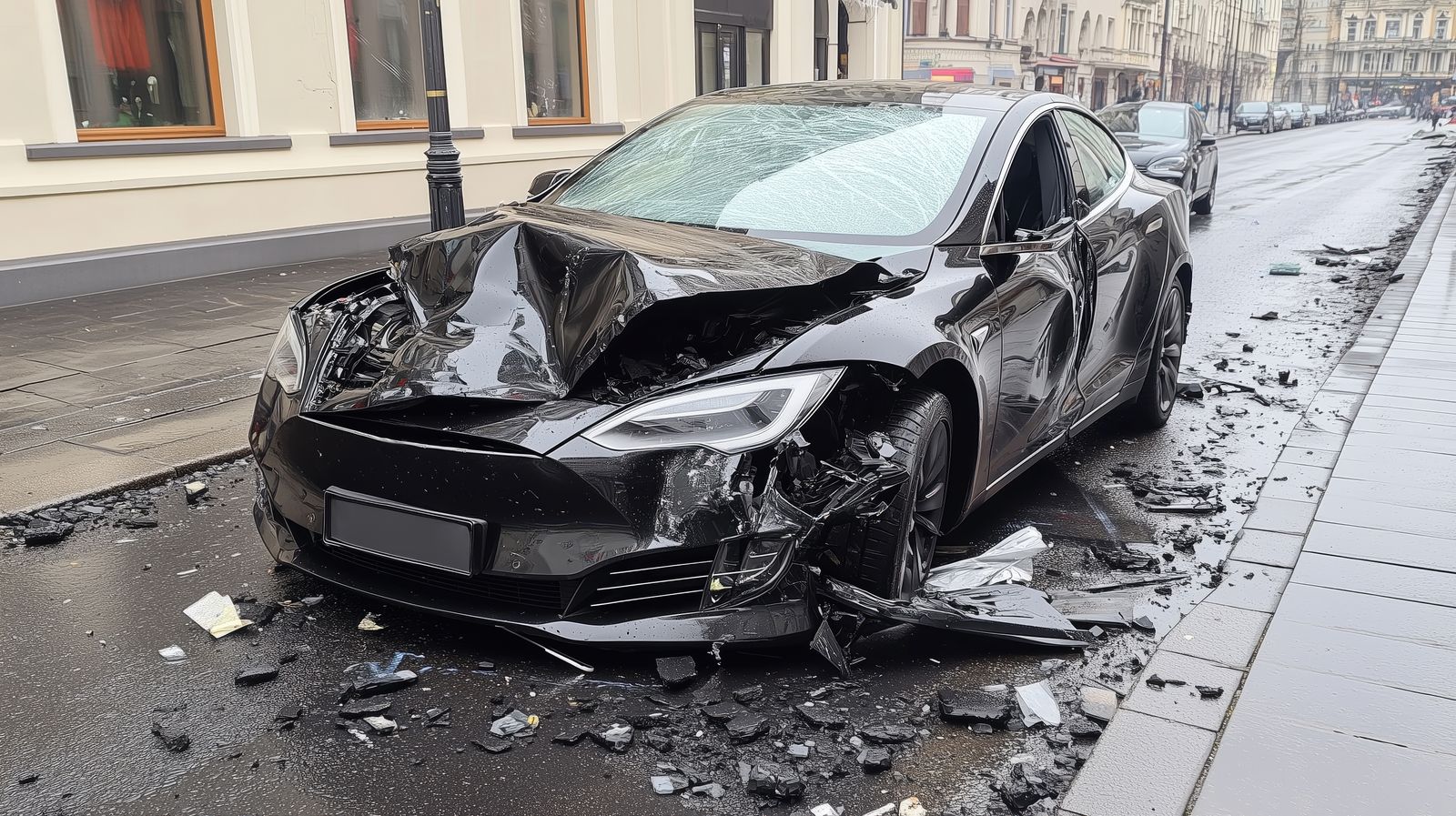
If you own an electric car and it gets written off after what feels like minor damage, you are not alone — and you are not imagining it.
Electric vehicles are being written off at a significantly higher rate than equivalent petrol or diesel cars after accidents involving similar levels of visible damage. A front-end impact that would cost a few thousand pounds to repair on a conventional car can generate a five-figure estimate on an EV. And when that estimate approaches the car's market value, the insurer writes it off.
Understanding why this happens — and what your options are when it does — puts you in a far stronger position than most EV owners who face this situation for the first time.
Why EV repairs cost so much more
The short answer is complexity. Electric vehicles carry components that are expensive to replace, difficult to diagnose and require specialist equipment and training that most body shops do not have.
Battery systems are the biggest factor. Even when a battery pack is not directly involved in an impact, insurers and manufacturers often require it to be fully inspected and in many cases replaced after certain types of accident. A battery pack on a mid-range EV can cost anywhere from £5,000 to over £15,000 to replace — before any bodywork, structural repair or ADAS recalibration has been carried out.
ADAS technology compounds the problem further. Modern EVs are loaded with sensors, cameras and radar units that must be recalibrated to manufacturer tolerances after any impact that disturbs them. This is not optional — it is a safety requirement. The calibration work adds cost and time to repairs that would be straightforward on older, simpler vehicles.
High-voltage systems also require specialist handling throughout the repair process. Not every bodyshop is equipped or certified to work on live EV systems, which limits the repair network and reduces competitive pressure on labour rates.
Thatcham Research published its EV Blueprint in March 2026 specifically to address the growing problem of EVs being written off unnecessarily, proposing repair methods that avoid full battery replacement where the pack itself is undamaged. But the industry is still adapting, and in the meantime repair costs on EVs remain substantially higher than on equivalent combustion vehicles.
How insurer thresholds work against EV owners
Insurers write off a car when the cost of repair approaches or exceeds the vehicle's pre-accident market value. For a petrol car worth £15,000, the write-off threshold is roughly £12,000 to £15,000 in repair costs. For an EV worth the same, the threshold is the same — but it is reached far more easily because EV repair costs start higher and escalate faster.
An EV that sustains a front-end impact involving bodywork, airbag deployment, front radar unit damage and a precautionary battery inspection can generate an estimate that exceeds £12,000 before any structural work has been assessed. The same impact on a petrol equivalent might cost £4,000 to £6,000.
The result is that EV owners are disproportionately likely to receive a write-off decision after accidents that would result in a straightforward repair on a conventional car. And because EV values have been volatile — falling significantly in 2024 and 2025 as the used EV market adjusted — the gap between market value and repair cost has become even narrower.
What write-off category your EV is likely to receive
Most EV write-offs after accident damage are classified as Cat S or Cat N.
Cat N is the more common outcome for EVs written off on economic grounds after cosmetic or electrical damage with no structural involvement. The car can return to the road after proper repair and documentation.
Cat S applies when the accident has caused structural damage alongside the electrical and cosmetic issues. A Cat S EV requires structural repair, replacement log book via form V62, and thorough documentation before it can return to the road.
Understanding which category your car has been assigned matters because it determines your options for retaining, repairing and selling the vehicle.
Your options when your EV is written off
Accept the settlement. The insurer offers a payout based on the car's pre-accident market value. If you believe the figure is fair and you want a quick resolution, accepting is straightforward. Check comparable EVs currently for sale before accepting to verify the offer reflects the real market.
Challenge the settlement figure. EV values have moved significantly in recent years and insurers' valuation tools do not always keep pace with live market prices. If comparable EVs are selling for more than the insurer's offer, present that evidence in writing and ask for the figure to be reviewed. The Financial Ombudsman can direct the insurer to revise a valuation found to be unfair.
Retain the car and repair it. If the battery system is genuinely undamaged and the repair costs are predictable, fixing and returning an EV to the road can be commercially viable — particularly on higher-value models where the repaired resale value justifies the investment. Get an independent repair estimate from a specialist EV repairer before deciding.
Retain the car and sell it directly. This is the option most EV owners do not consider and often the one that returns the most money. Retaining your write-off means the insurer deducts the salvage value from your payout and returns the car to you. You then sell it directly to a specialist buyer rather than letting it disappear into the salvage auction system at a price that benefits the auction house, not you.
Why damaged EVs still have real value
A written-off EV is not worthless. Far from it.
Battery technology is valuable even when the car is not economical to repair as a whole. Rebuilders, EV specialists and parts buyers actively seek damaged EVs for battery modules, inverters, charging hardware and drivetrain components that can be reused or resold. Demand for quality used EV parts is growing as the installed base of electric vehicles increases and owners look for more affordable repair options.
For Cat N EVs with undamaged battery systems, the case for a specialist buyer is even stronger. A repairer or rebuilder who can verify the battery is healthy and carry out the cosmetic or structural repair has a commercially attractive vehicle on their hands — one that an insurer has written off on cost grounds but that a specialist buyer can fix and resell profitably.
The key is reaching those buyers directly rather than through the salvage auction system, where fees reduce what you receive and the auction process limits who sees the car.
How Second Gears works for written-off EV owners
Second Gears connects private sellers of damaged and written-off vehicles directly with verified trade buyers — EV specialists, rebuilders, parts traders and dealers who understand exactly what a written-off electric car is worth and move quickly when they find the right vehicle.
Listing is free. There are no auction fees, no commissions and no middlemen. You list the car with photos, condition details and any battery diagnostic information you have, and buyers contact you directly with offers based on real market value.
For EV owners who feel shortchanged by the write-off process, selling directly through Second Gears is one of the most effective ways to recover more than the insurer's net payout. The buyers on the platform already understand EV salvage value — which means better offers, faster decisions and no need to explain what you have to someone who does not know the market.
List your written-off EV free on Second Gears and find out what the right buyer will pay.
Common questions
Why has my EV been written off when it barely looks damaged?
EV repair costs are significantly higher than on equivalent petrol cars because of battery inspection requirements, ADAS recalibration, high-voltage system handling and limited specialist repair networks. A repair that looks straightforward on a conventional car can generate a five-figure estimate on an EV — pushing it past the write-off threshold even when visible damage is minor.
Can I keep my EV after a write-off?
Yes. You have the right to retain your vehicle after any write-off decision. The insurer deducts the salvage value from your settlement and returns the car to you. For Cat N vehicles you keep the existing log book. For Cat S you apply for a replacement using form V62.
Is my EV battery covered by the write-off settlement?
Your settlement is based on the car's pre-accident market value — the battery is part of that valuation. If you retain the car, you keep the battery as part of the vehicle. If you hand the car back, the insurer recovers the battery value through their salvage network. This is why retaining and selling directly often returns more than the net settlement after the salvage deduction.
Will it get easier to insure a written-off EV?
The market is adapting. Specialist insurers who understand EV repair costs and salvage values are becoming more accessible, and the industry guidance coming from bodies like Thatcham is pushing toward better repair standards that may reduce unnecessary write-offs over time. For now, a specialist insurer is the most reliable route for insuring a Cat S or Cat N vehicle.
How do I know if the battery is healthy before selling?
A full EV battery diagnostic from a qualified technician gives you a state-of-health report showing individual module data, fault codes and overall capacity. Having this report available when you list the car significantly increases buyer confidence and the quality of offers you receive.
The bottom line
Electric cars are written off more readily than petrol equivalents because repair costs are higher, insurer thresholds are reached more easily and the specialist skills required are not yet universally available. That is a structural feature of the current EV repair market, not a reflection of how damaged your car actually is.
If your EV has been written off, the settlement offer is not your only option and the salvage auction is not your only route. Understanding the real market value of your car to the right buyer — an EV specialist, rebuilder or parts trader — is the first step toward a better financial outcome than the default process provides.
Related reading:
Related Articles
SORN Explained, and Yes, You Can Sell a SORN Car
SORN Explained, and Yes, You Can Sell a SORN CarSORN, the Statutory Off Road Notification, is one of those DVLA terms that generates endless confusion...
How to Sell a Non-Runner in the UK Without Giving It Away
How to Sell a Non-Runner in the UK Without Giving It AwayA car that will not start or drive feels like a liability sitting on your drive. It is not. N...
How to Price a Crash-Damaged or Category Car in the UK
If your car has been written off, failed an MOT, or has unresolved issues, pricing it correctly is one of the hardest parts of selling. Most owners ei...